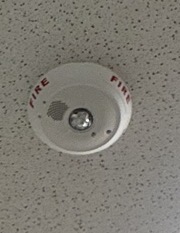
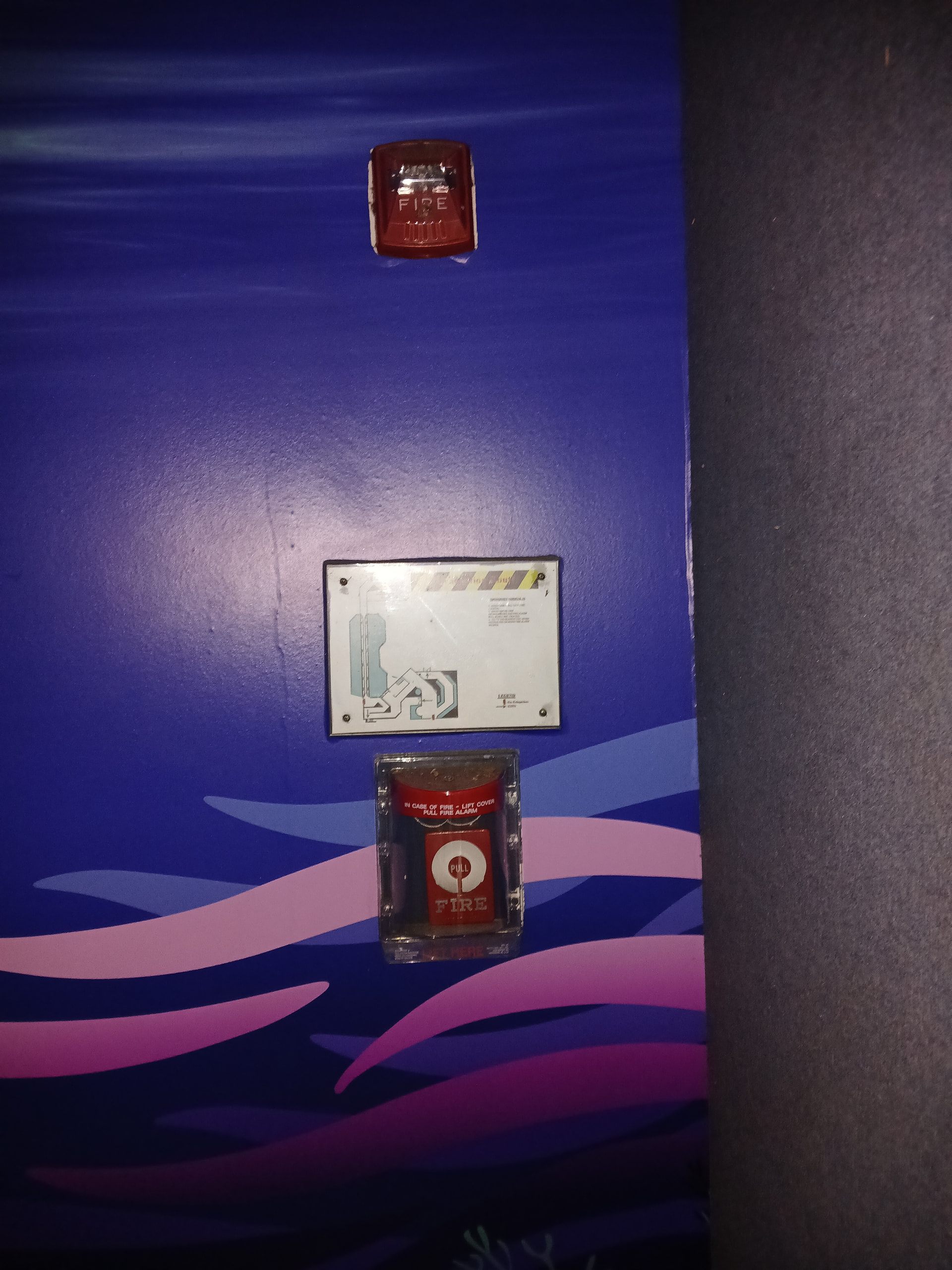
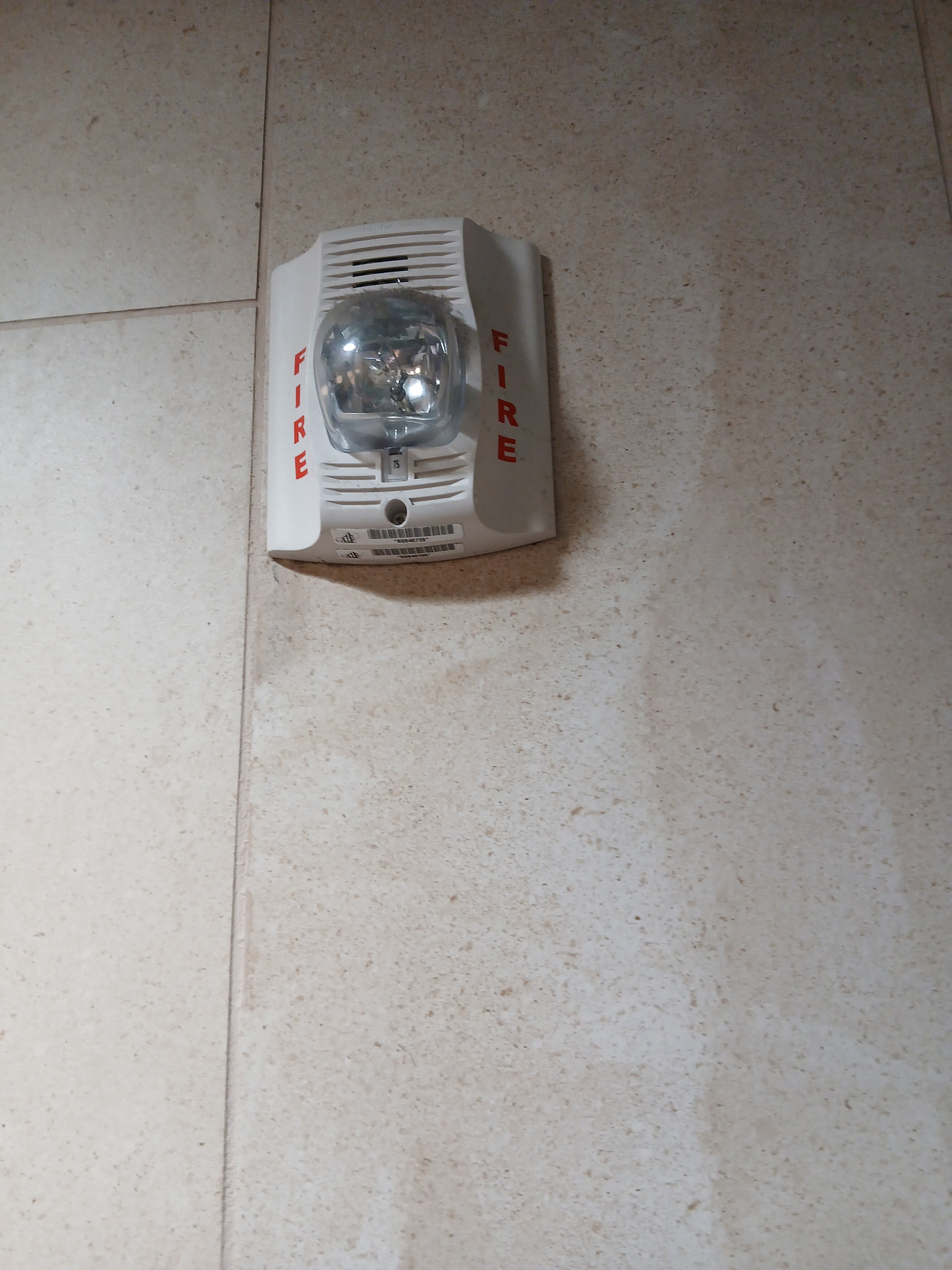
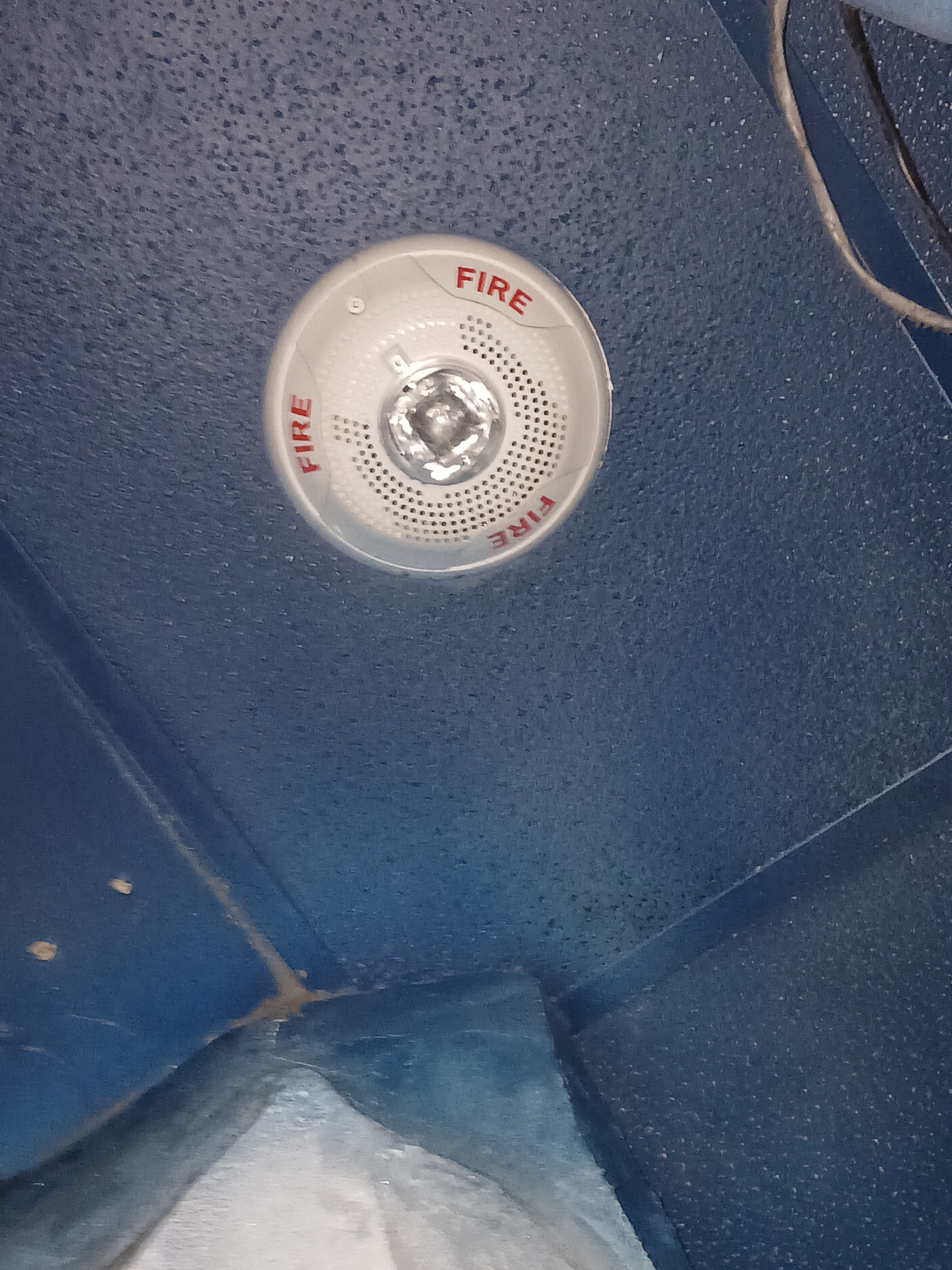
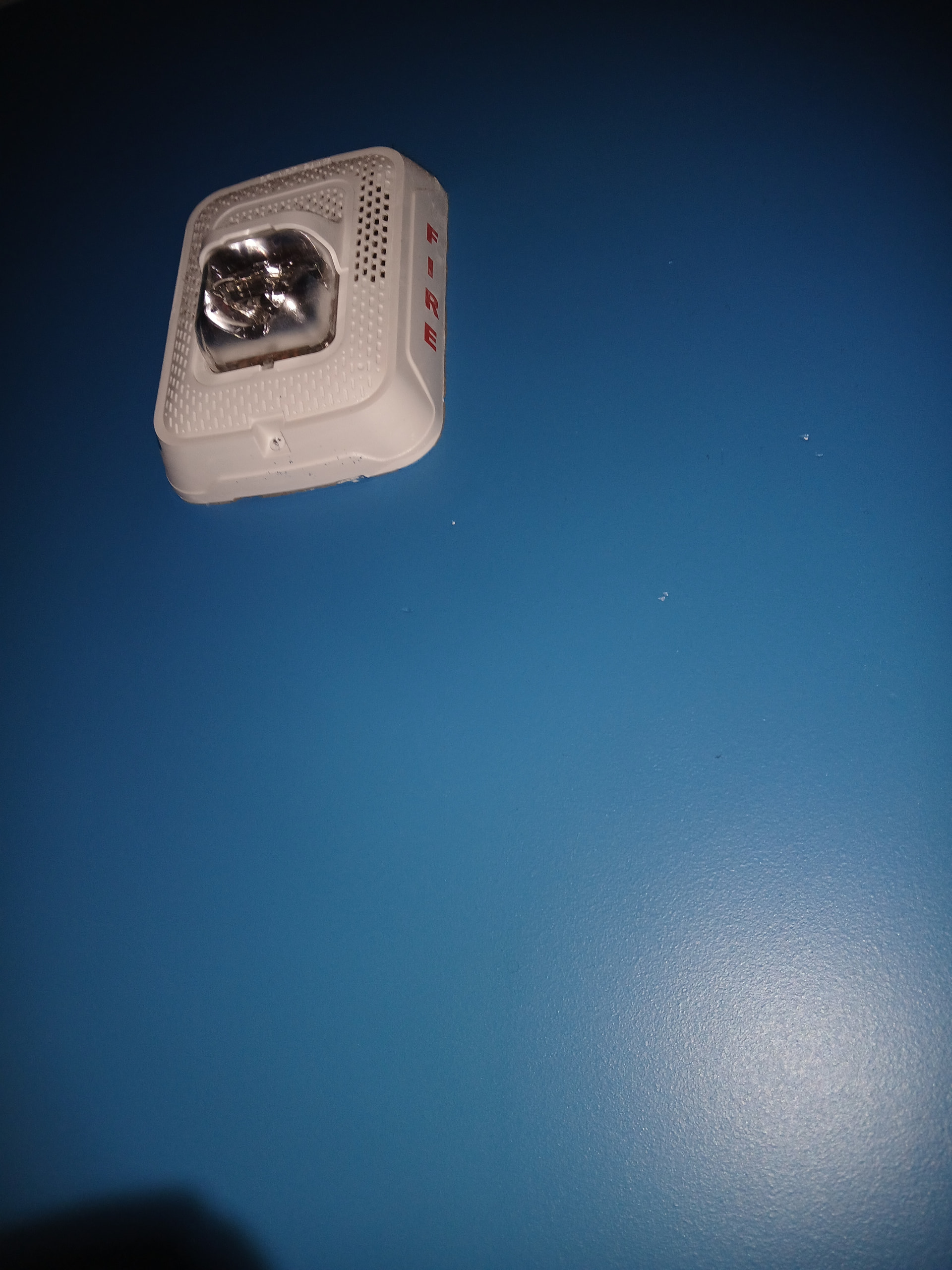
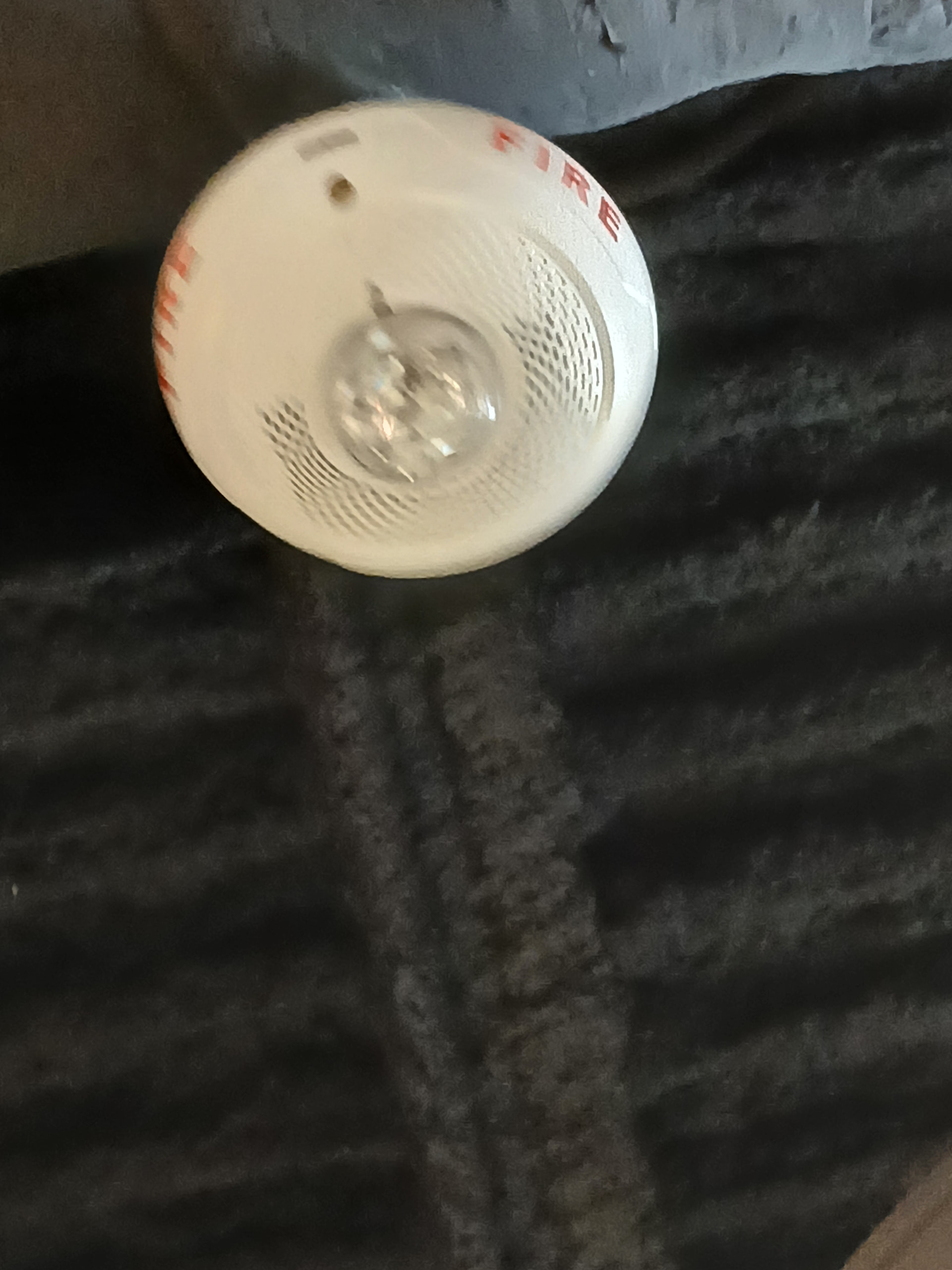
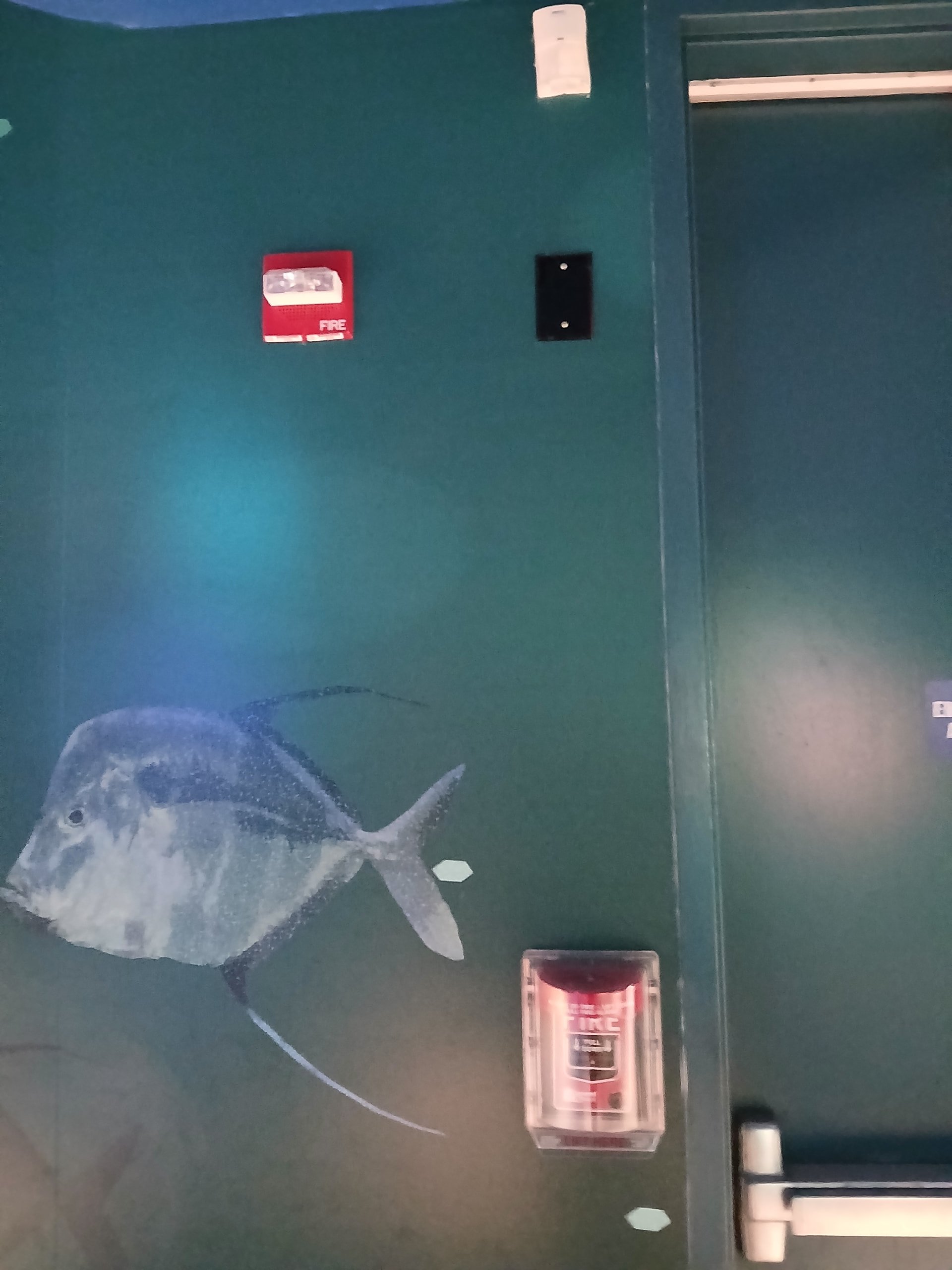
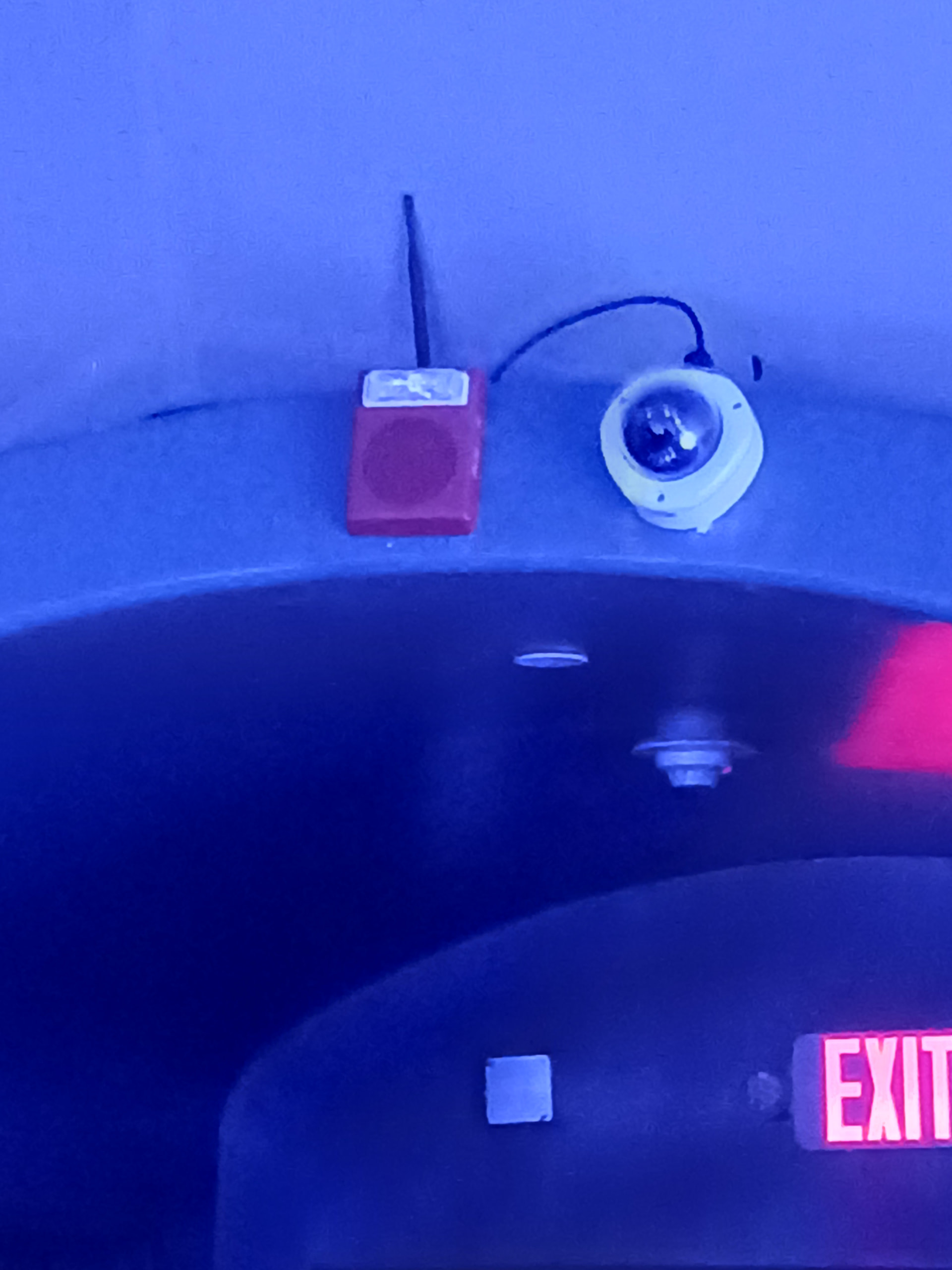
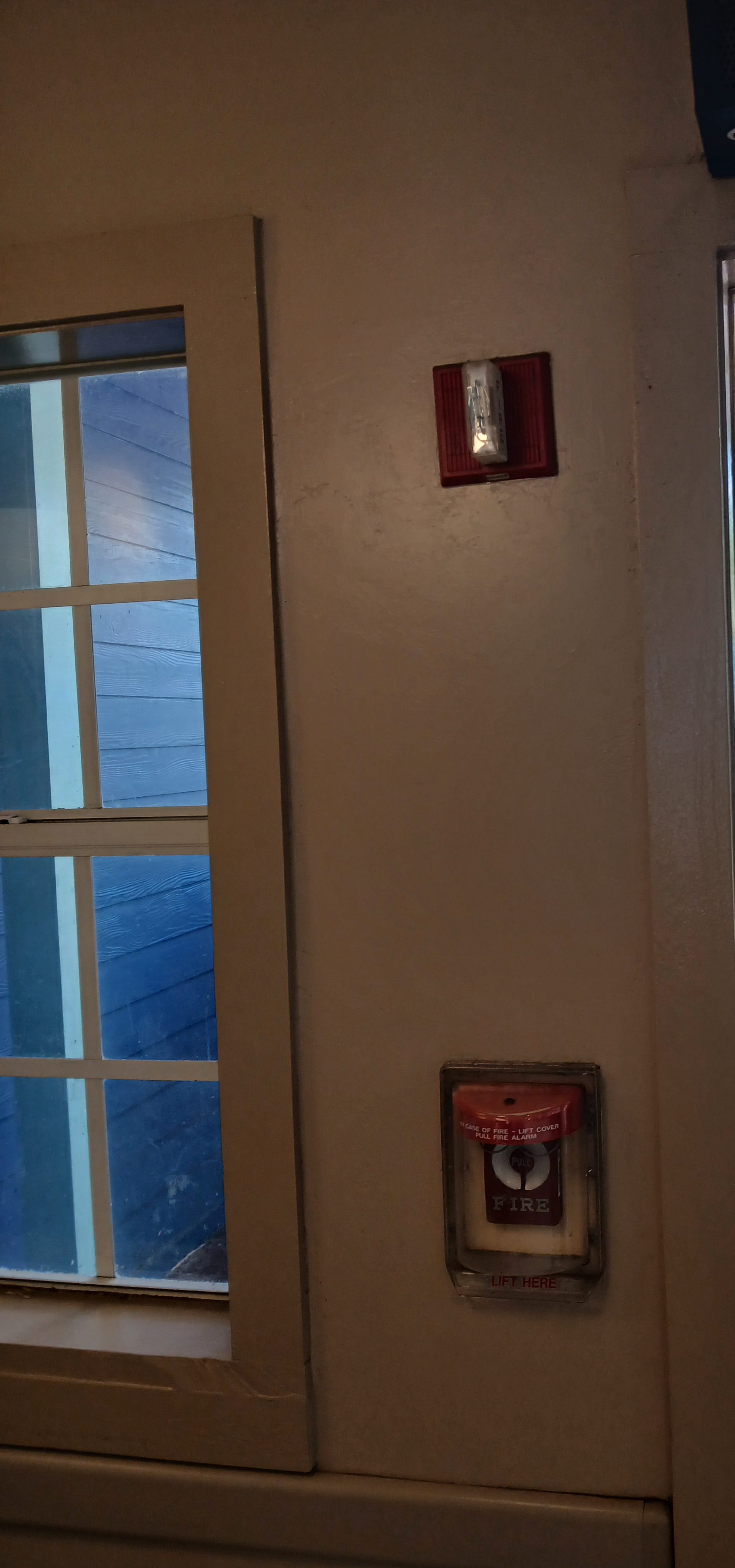
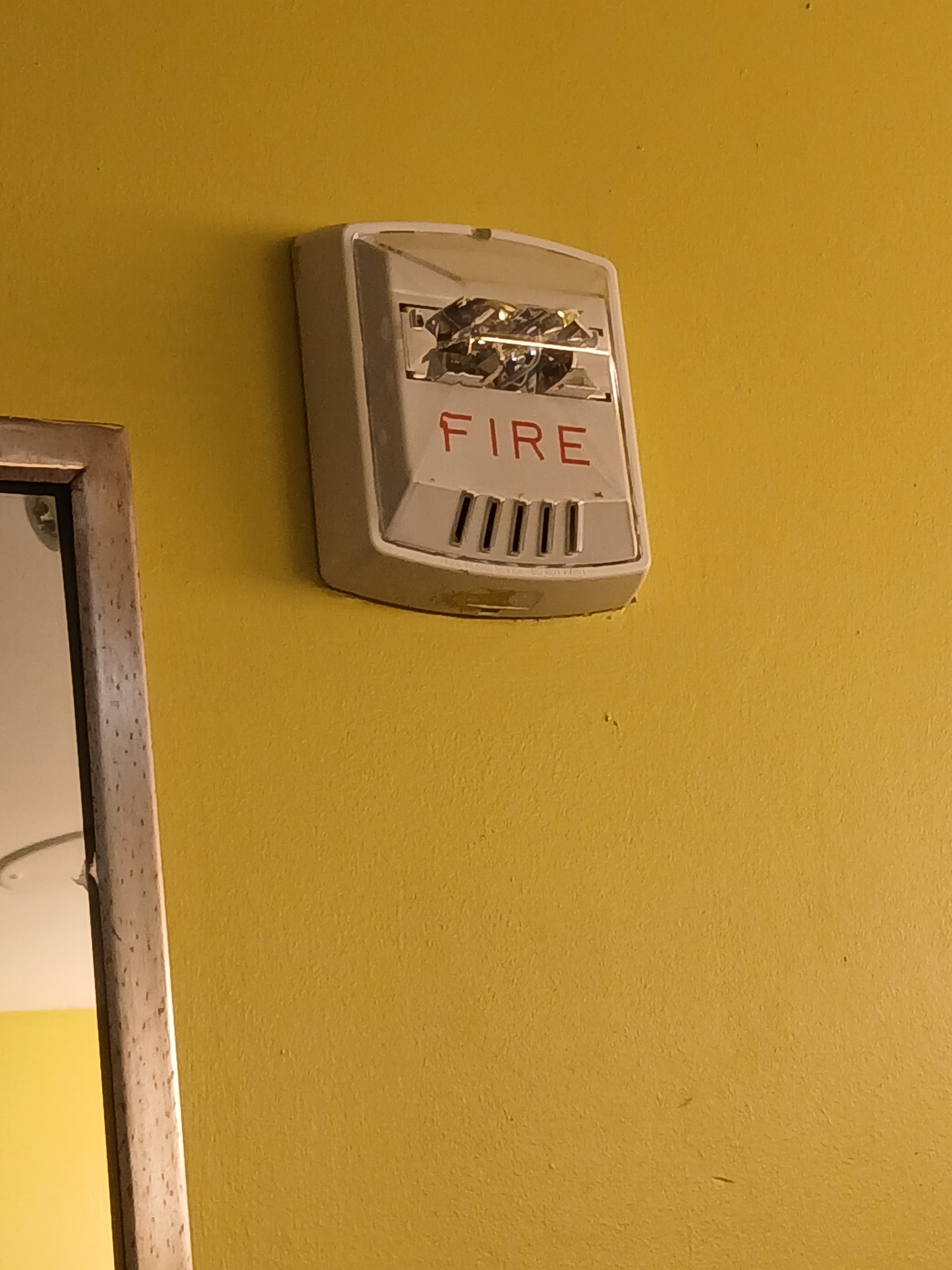
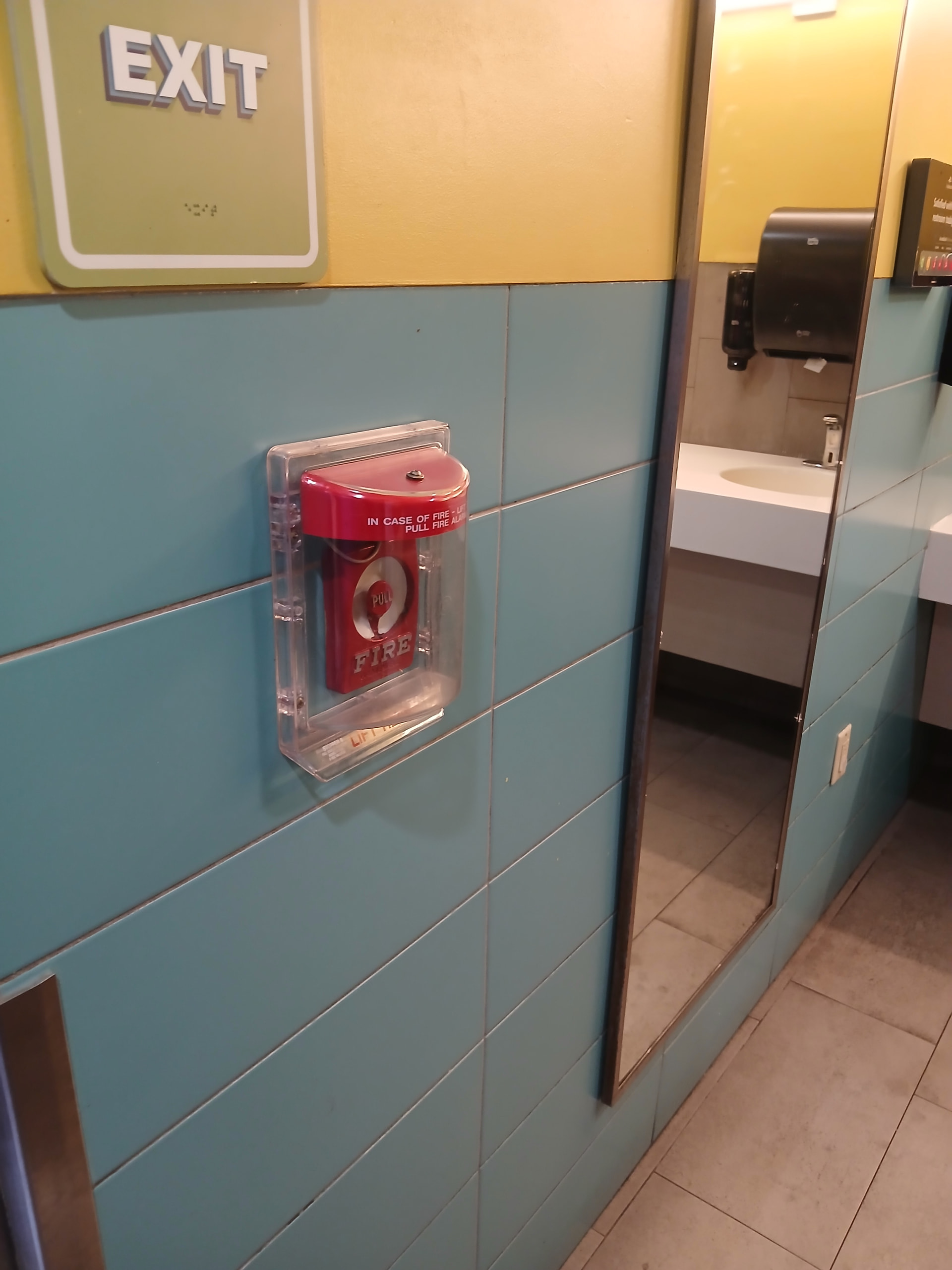
Hey @Wei_Huan What did firecom rebrand from wheelock? did they only do the E50/E60 Series, And/Or the E70/E90 Series? and if there is anything else that wheelock rebranded, please reply to me.
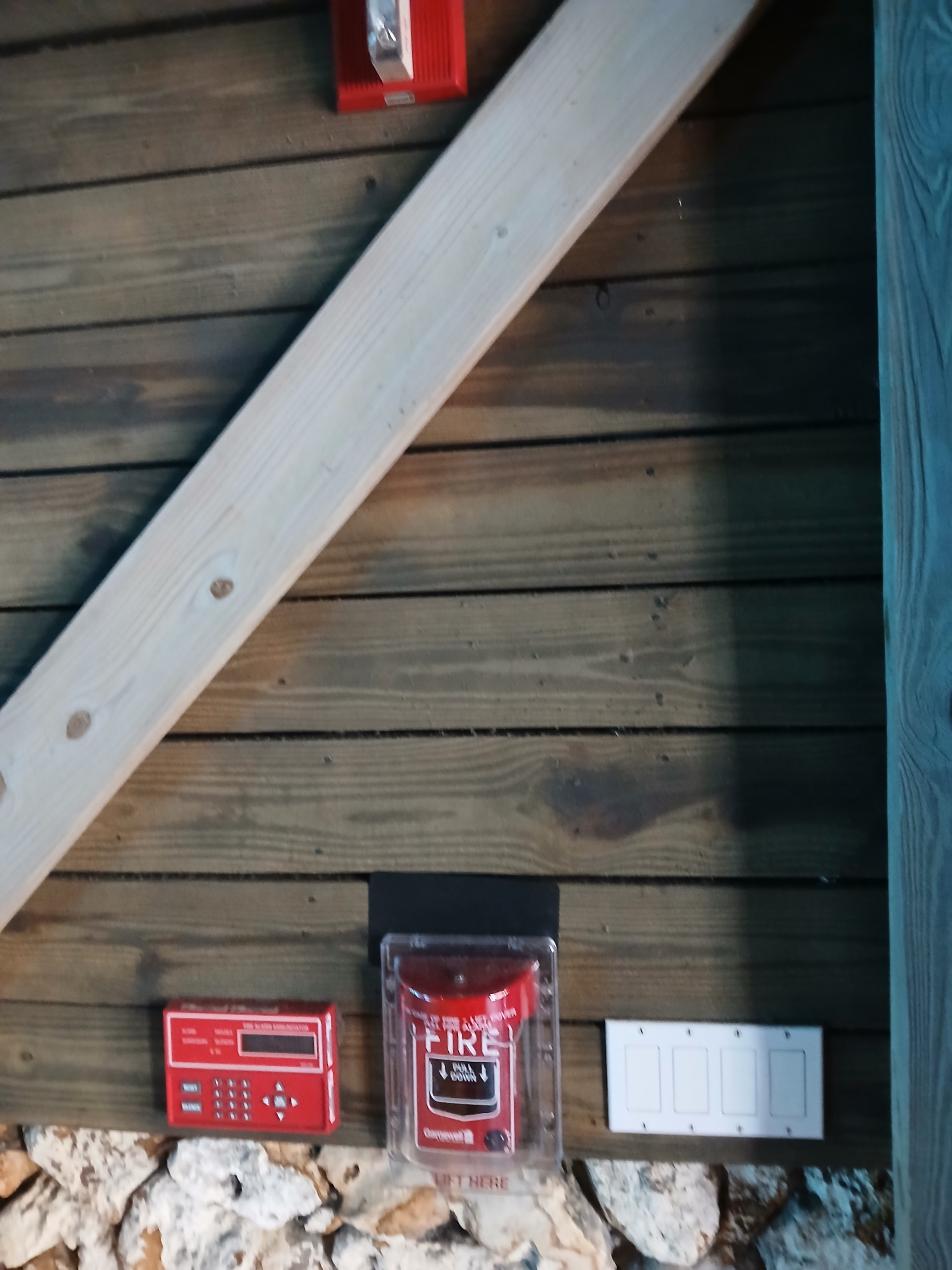
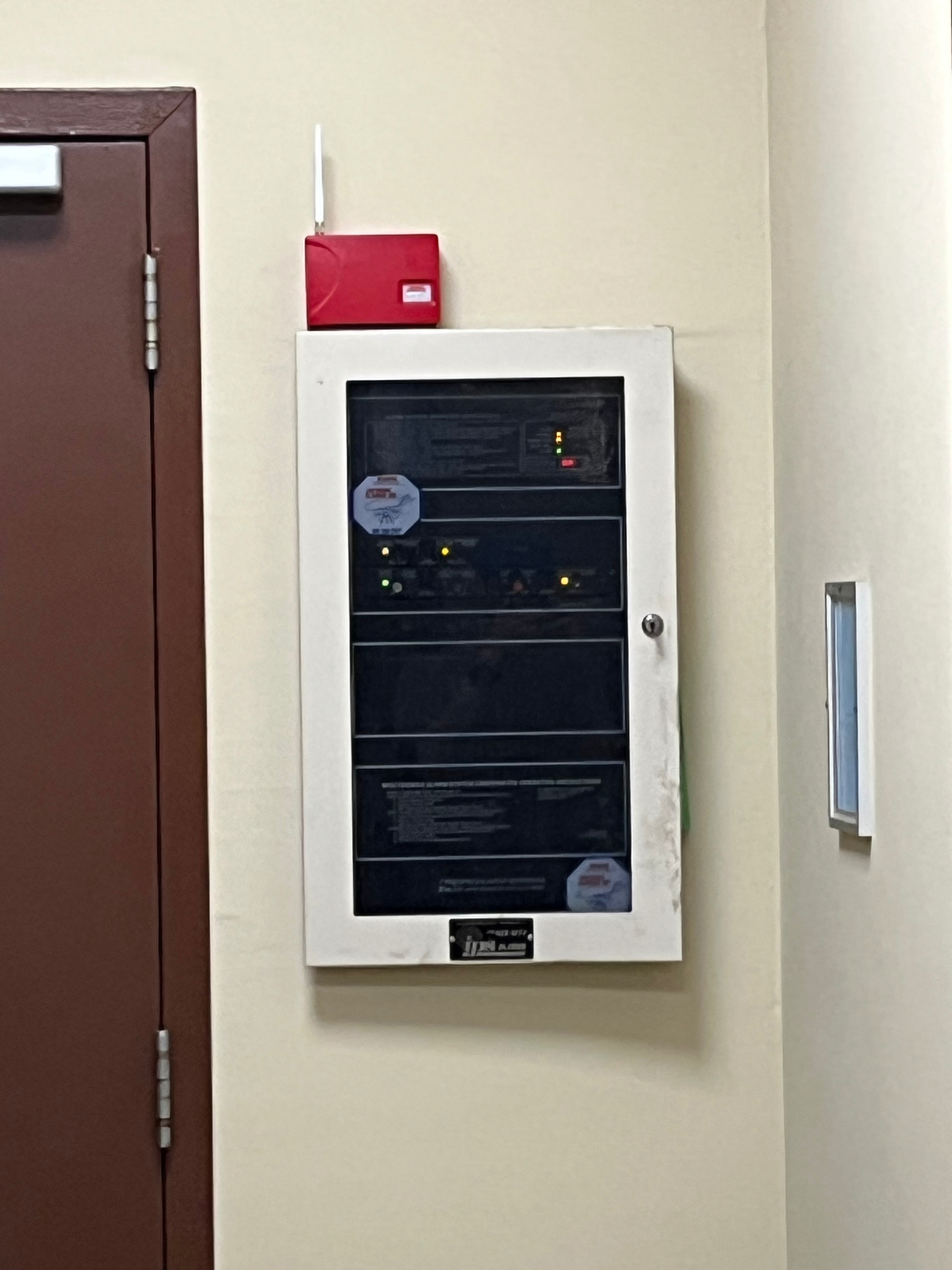
It almost looks like it has the main control interface, but that I believe would normally be in one of the cabinets on the left, so I don’t know really.
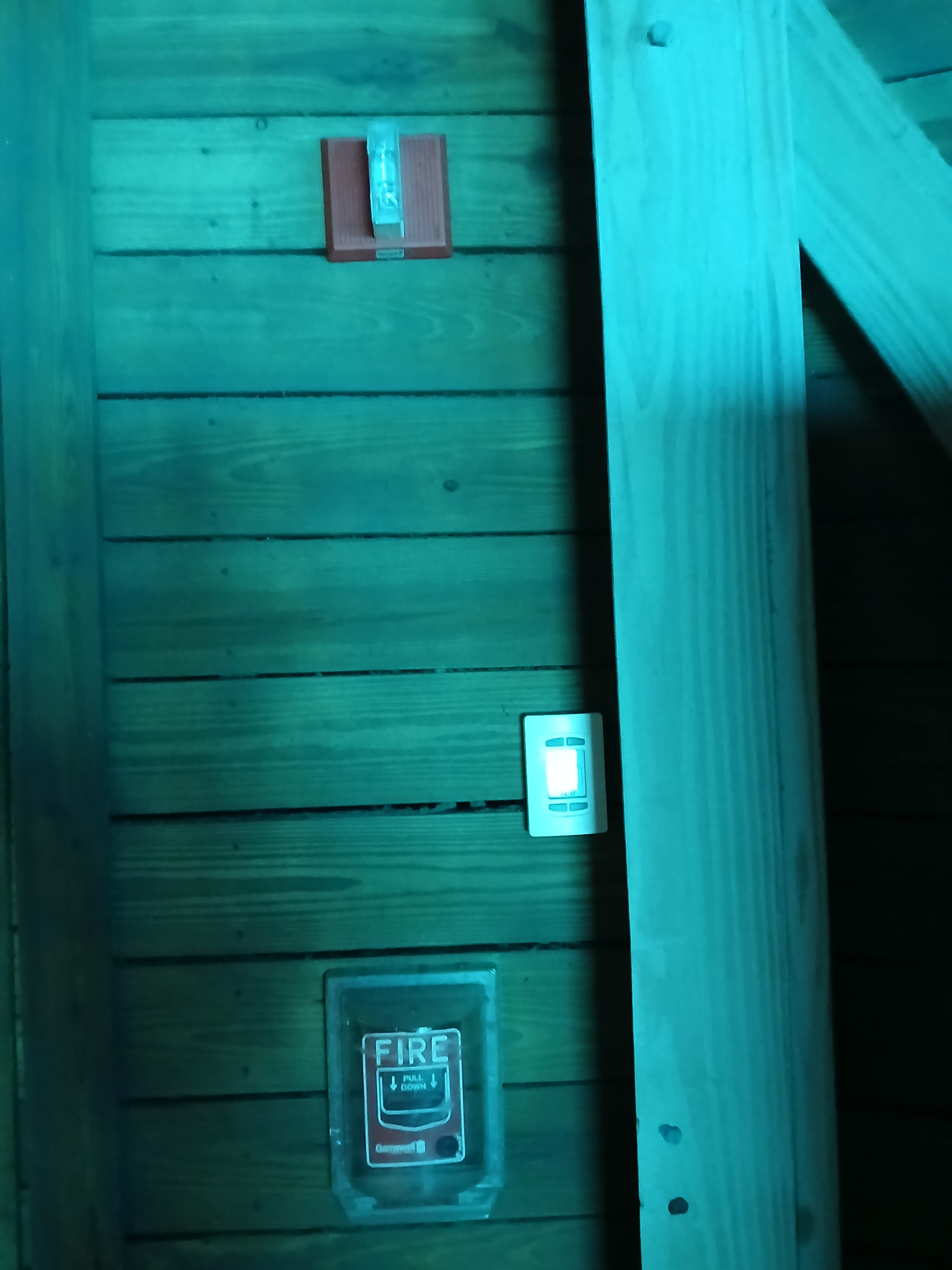
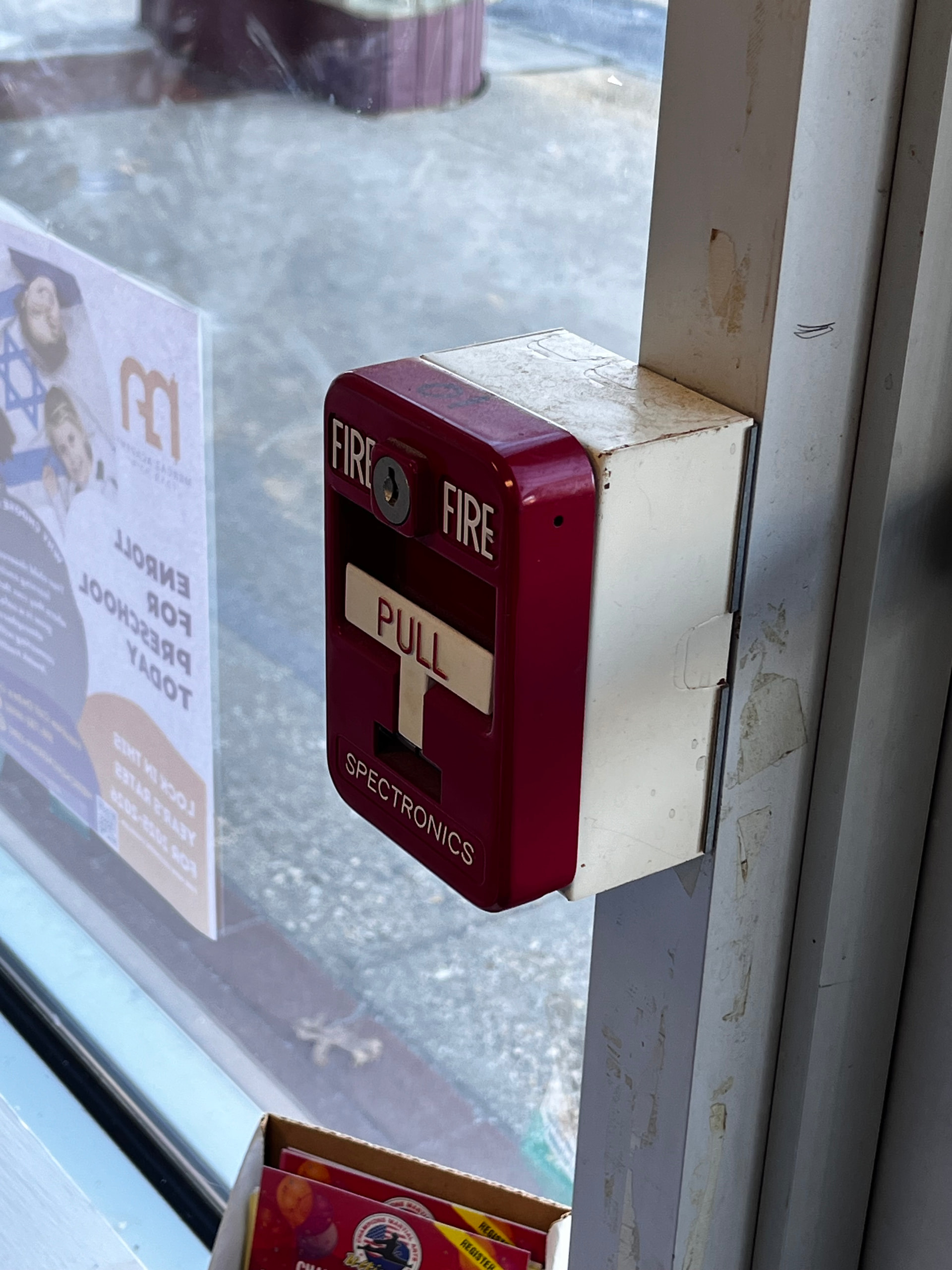
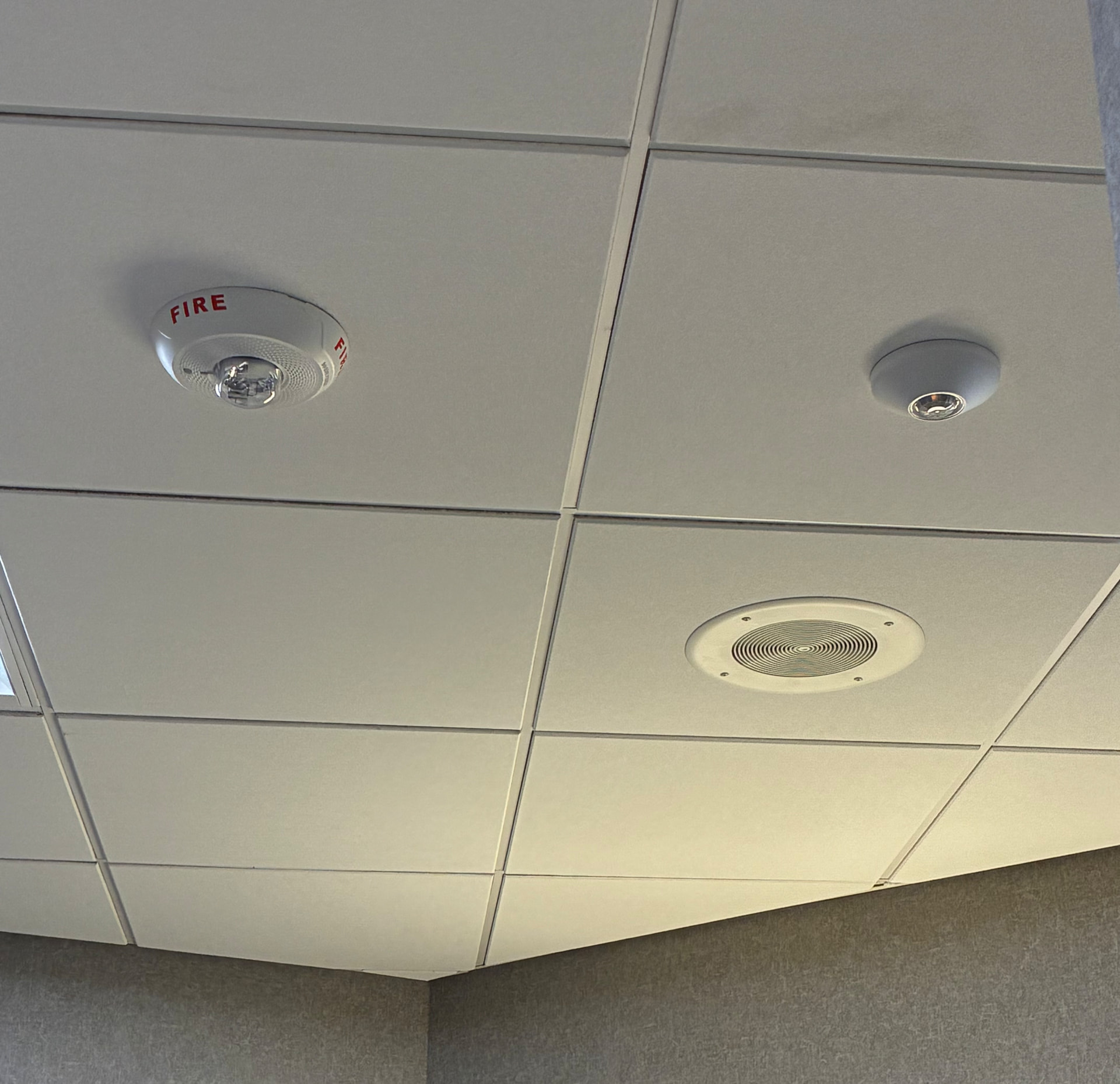
it has the FCI lcd, so its possibly a MCI main control interface, It has a KDU annunciator in the main entrance, most a/vs are the farady speaker strobes shown there, and FCI MS-2 Pull stations.
2 interesting spectronics systems, The top left system has NSs and I think 2151 smoke detectors. The other has addressable smoke detectors and monitor modules with CO detectors
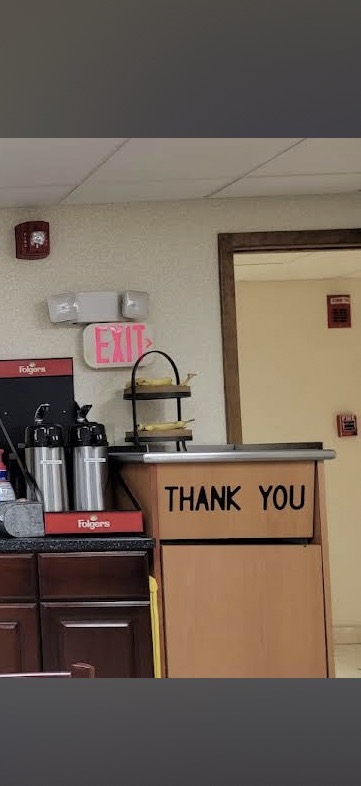
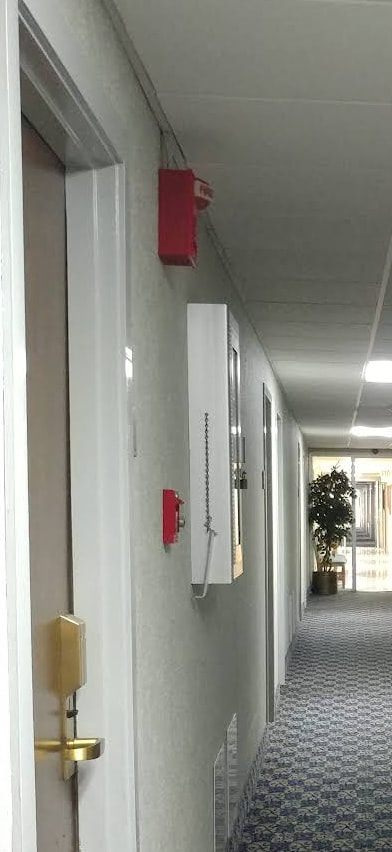
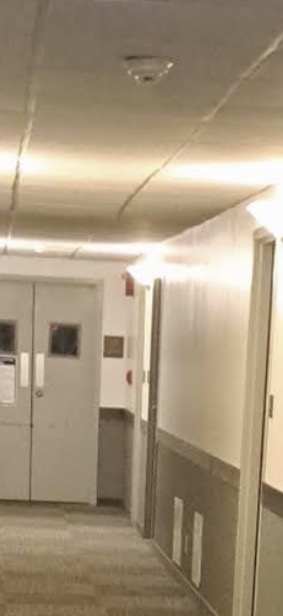
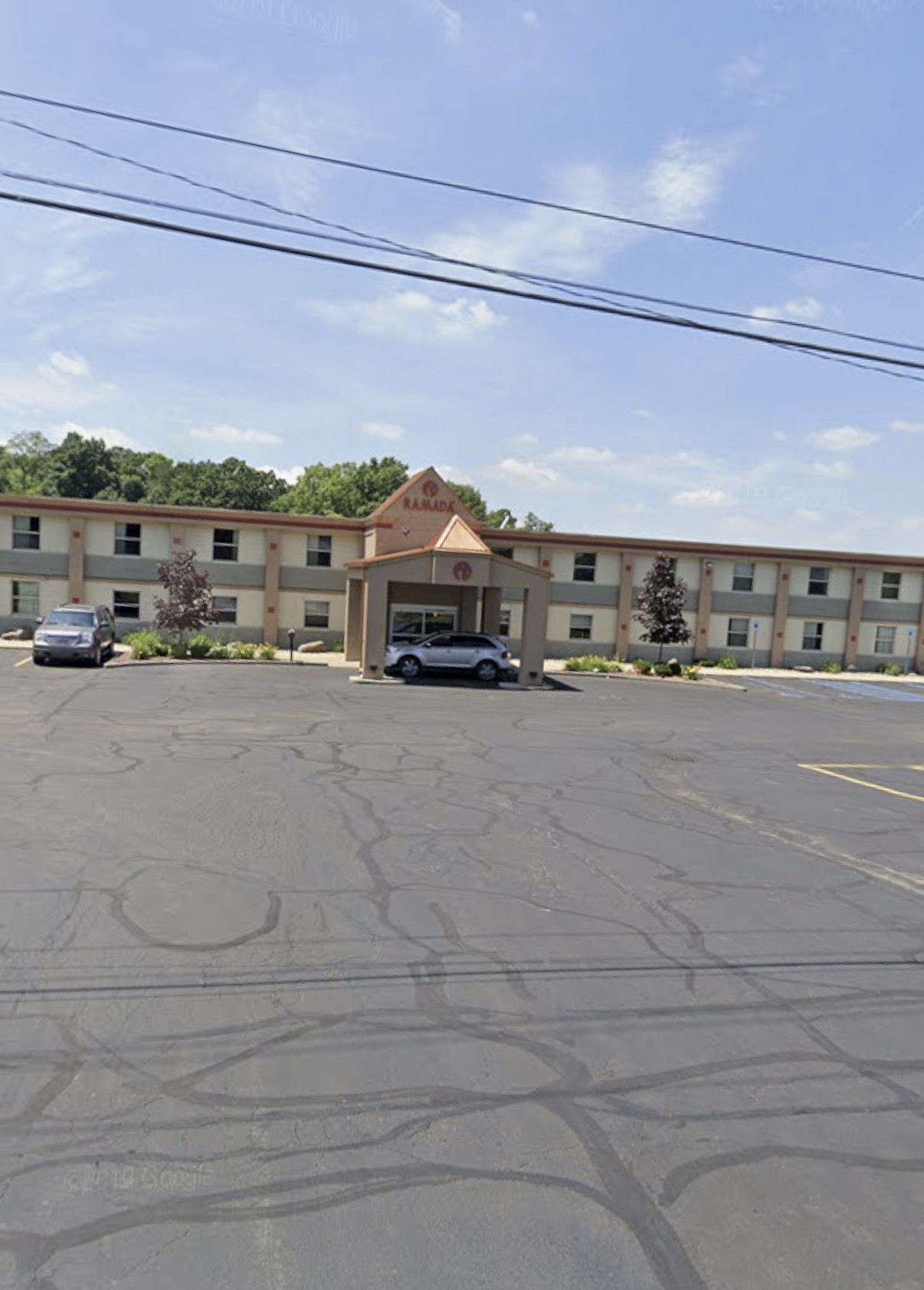
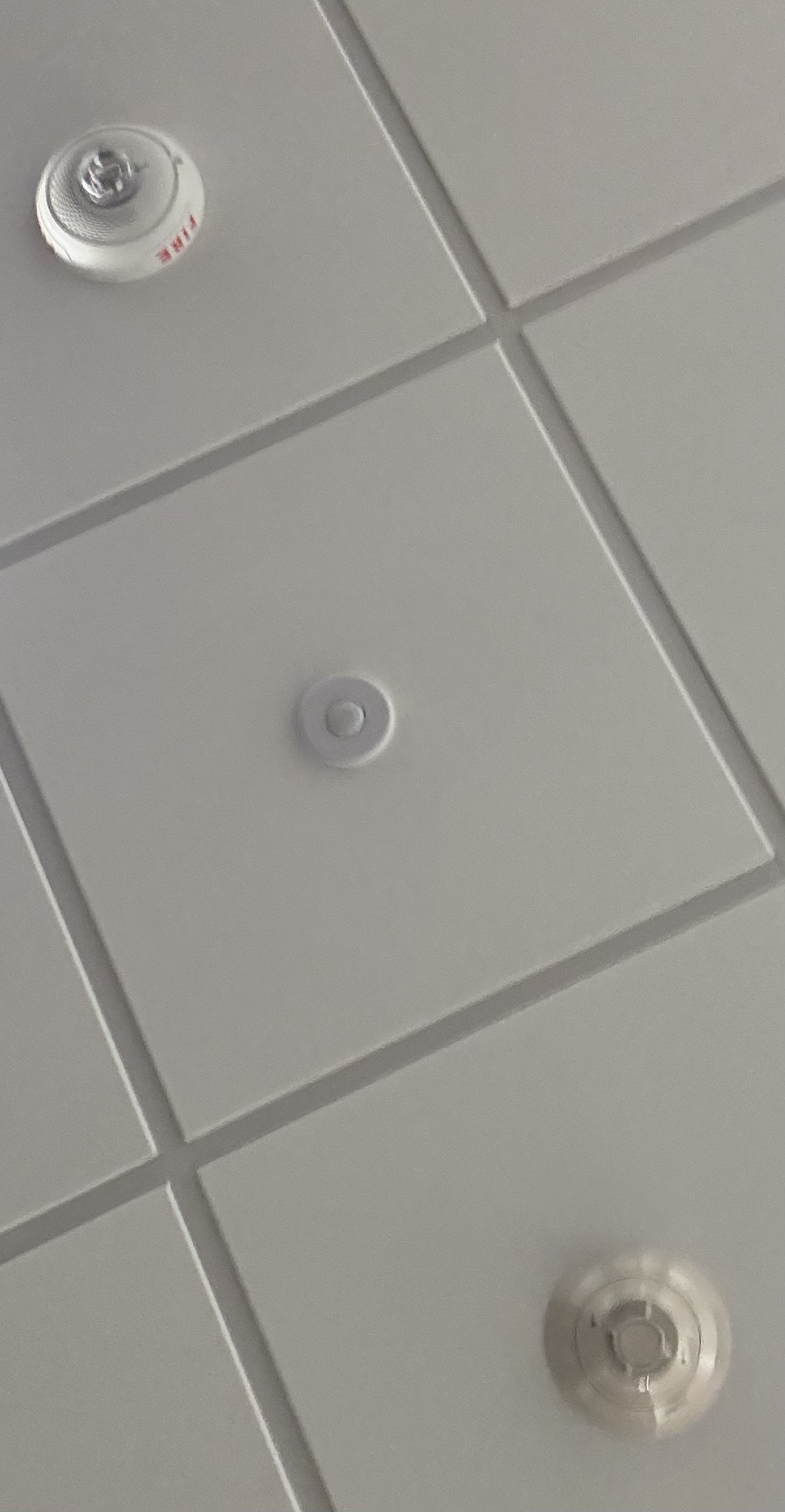
This is a very run-down hotel in NE Indiana that is currently undergoing some major renovations. Inside are some 2903s, old 4903s and a very obscure model of Hochiki (?) detector. Below are some photos I took last year when I was there and some screenshots from the web.
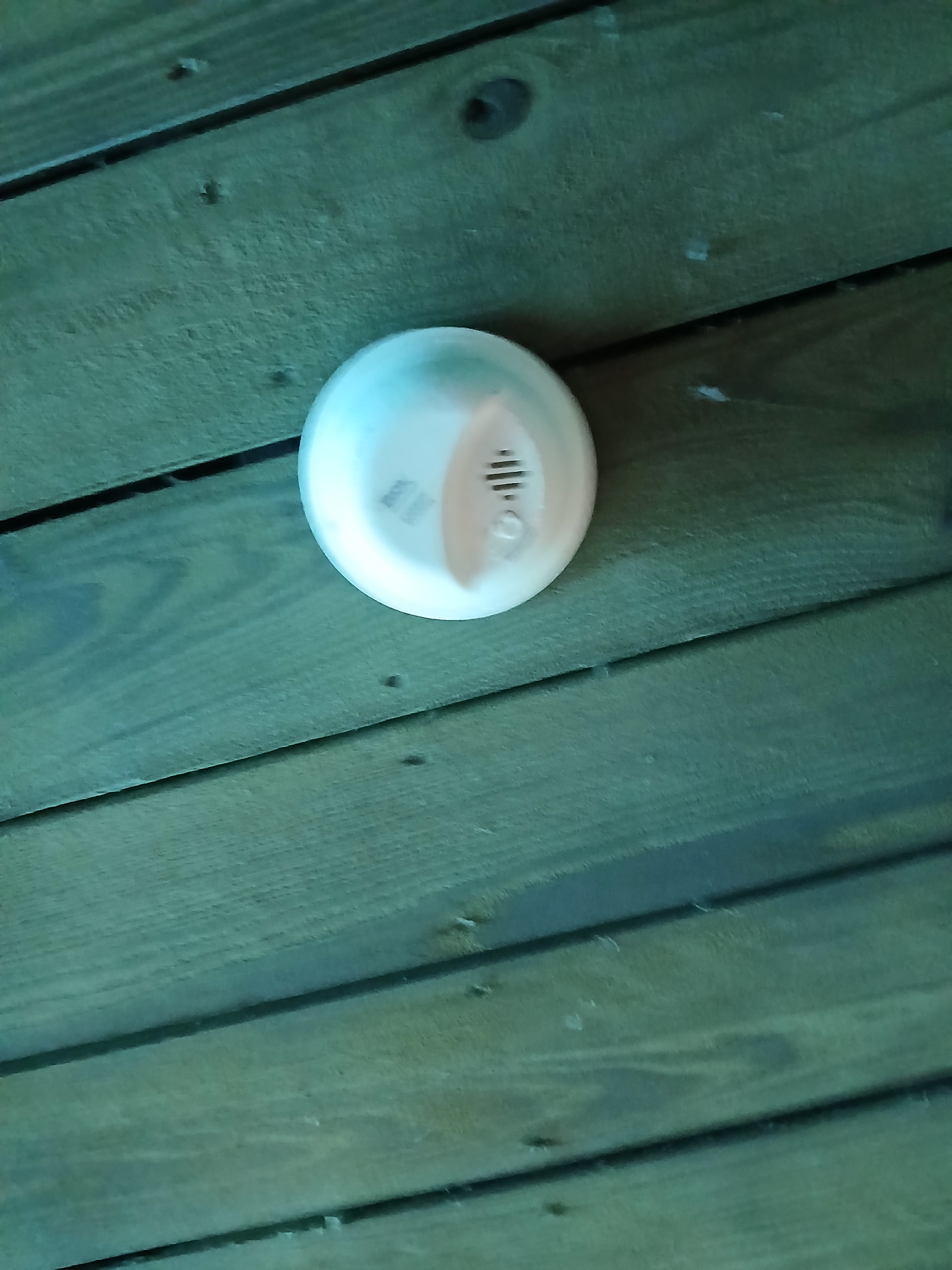
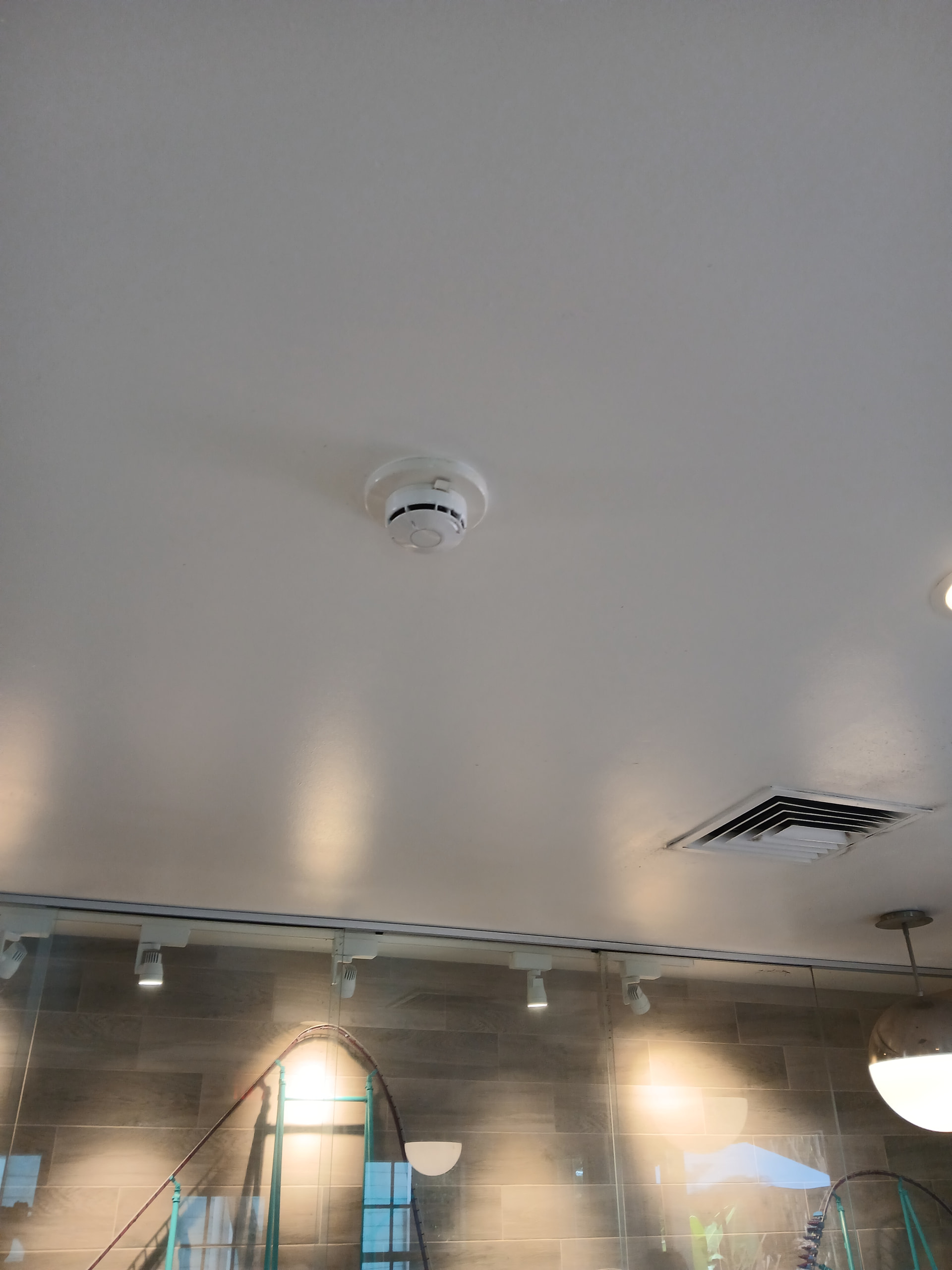
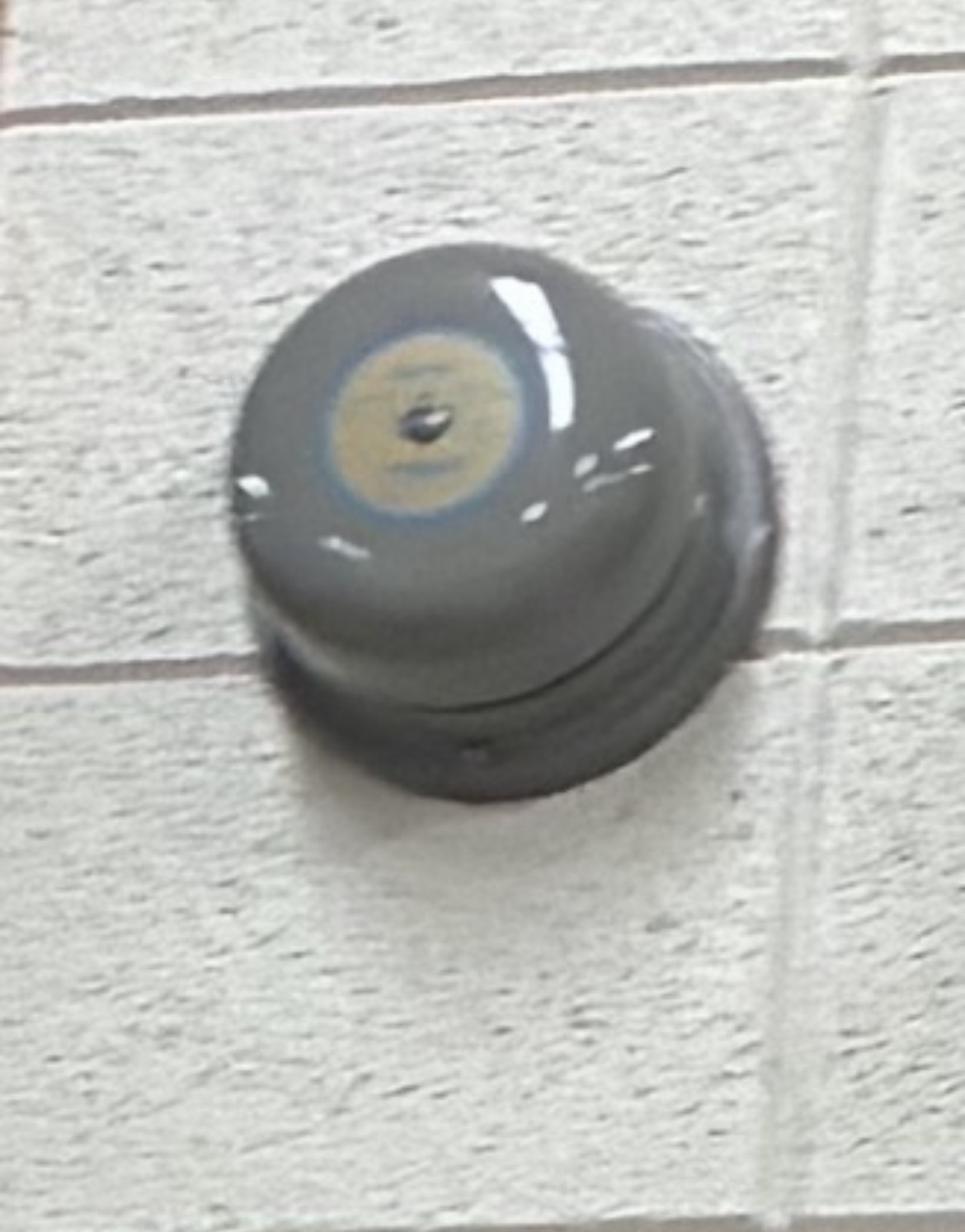
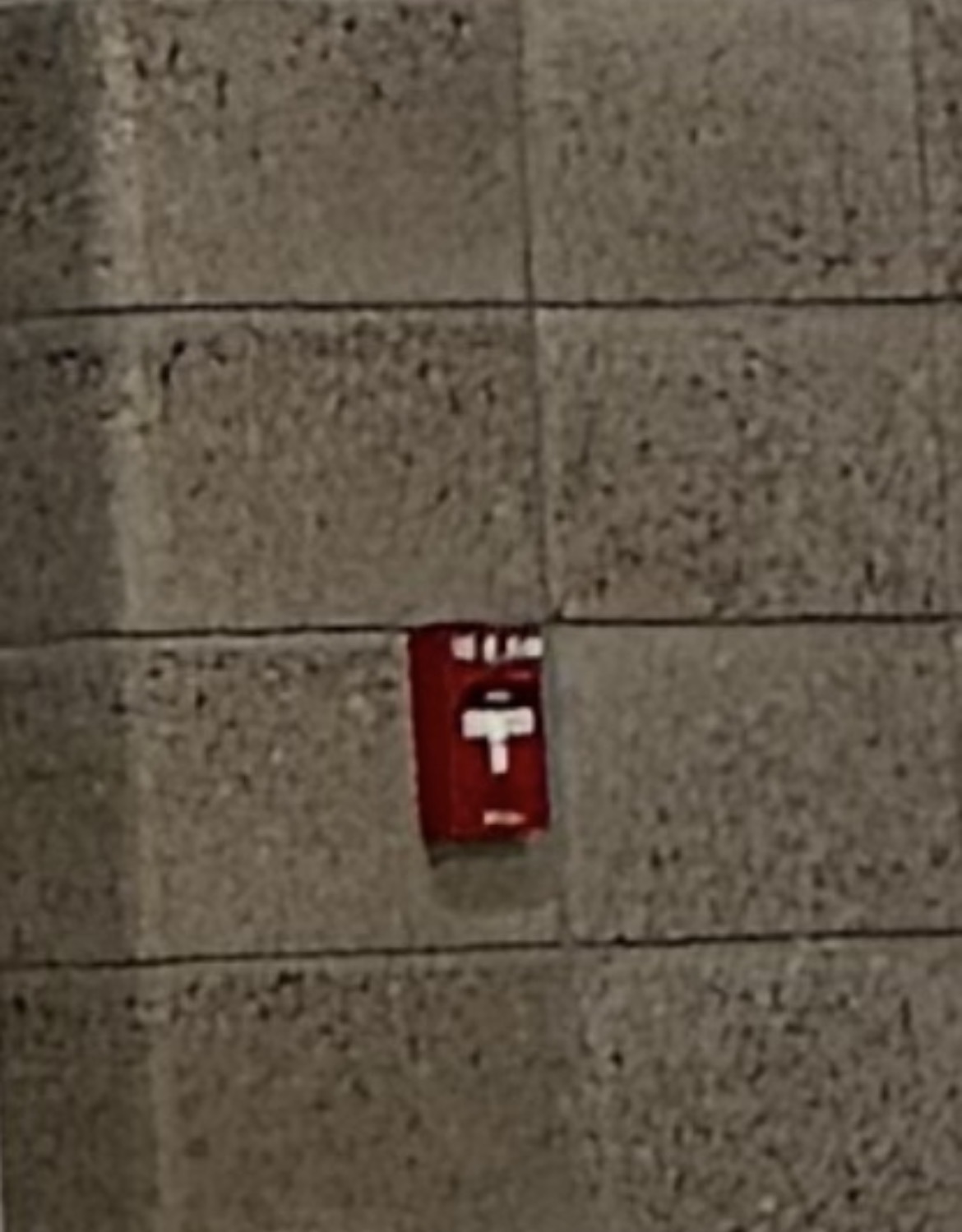
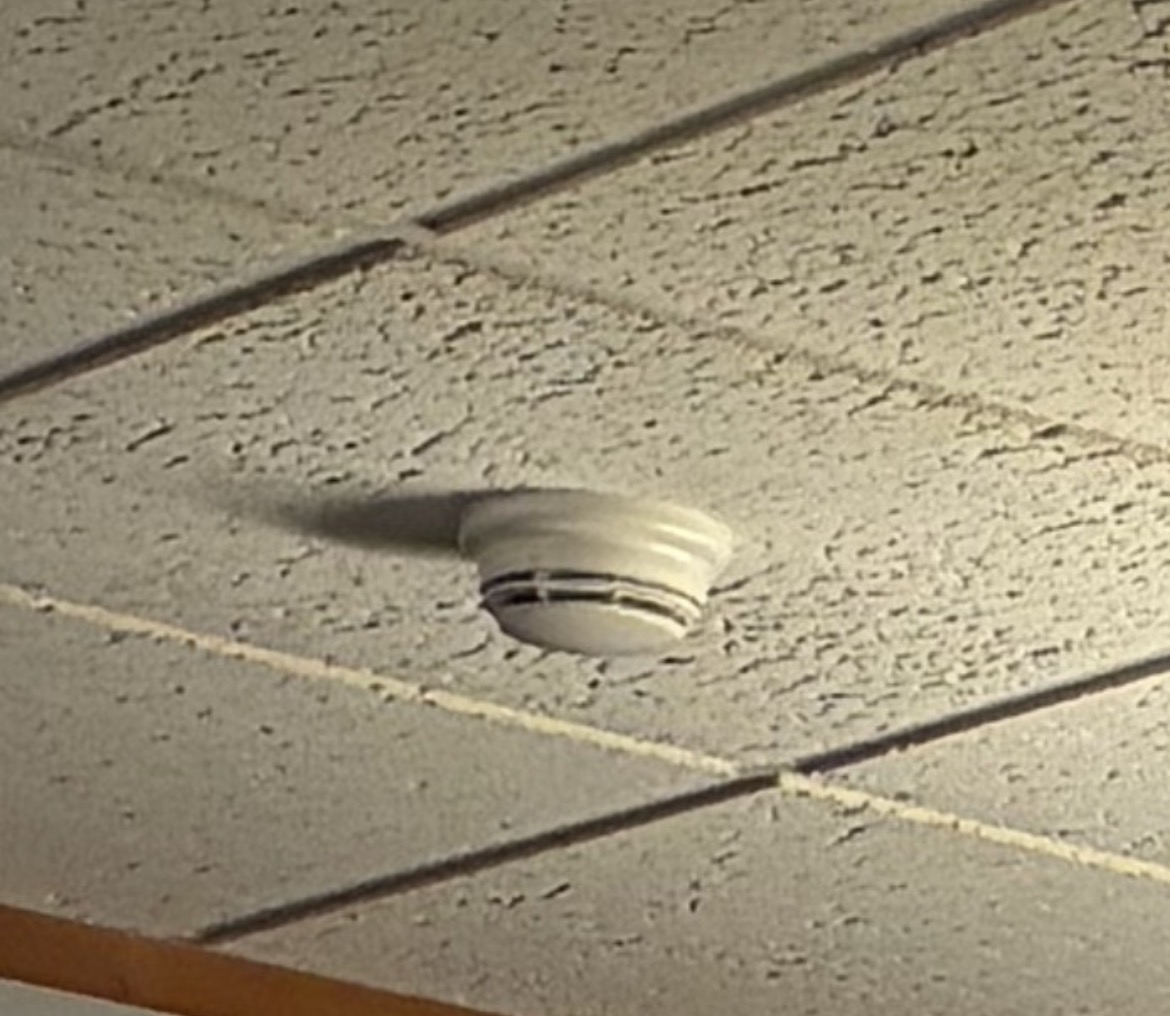
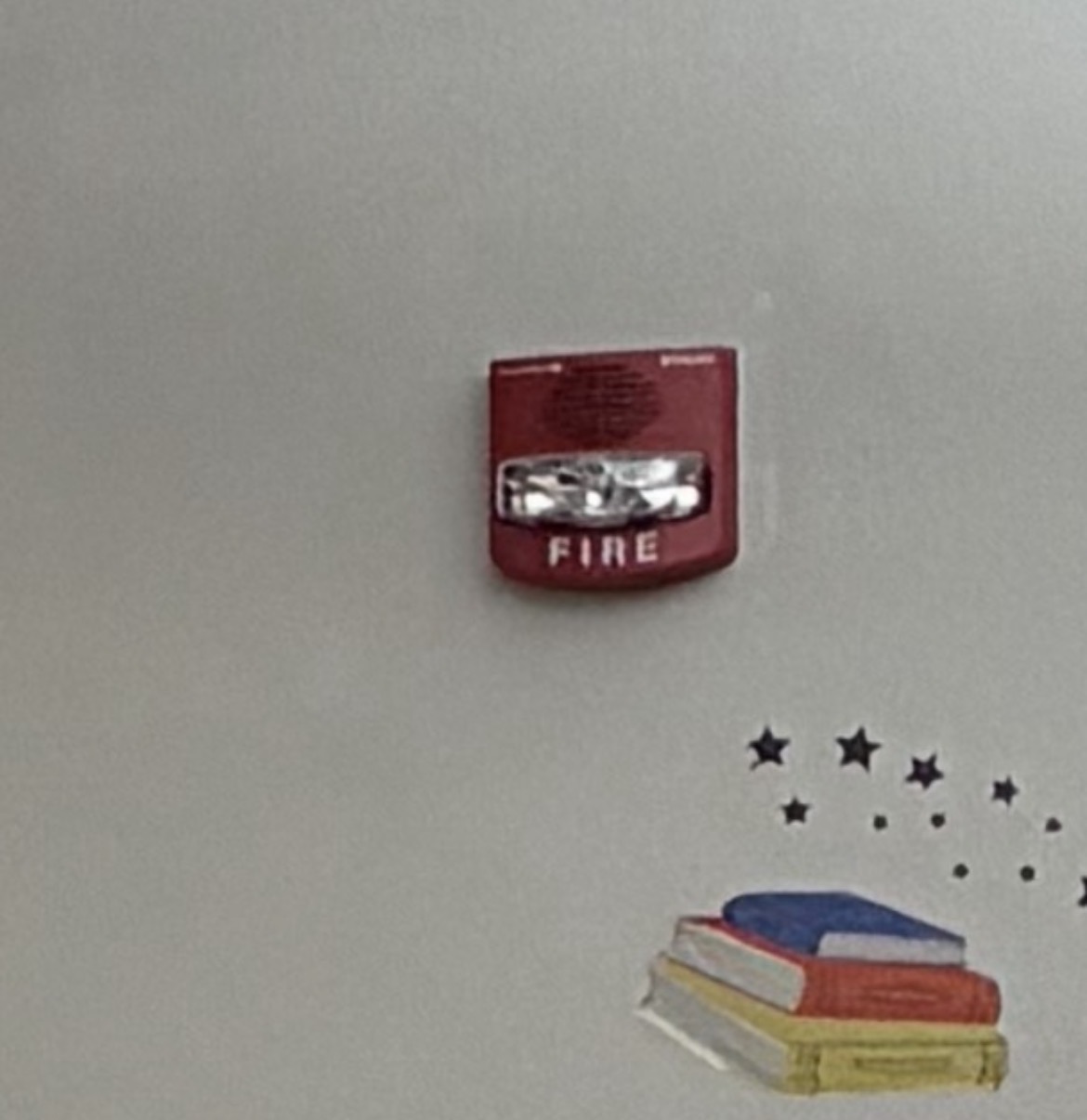
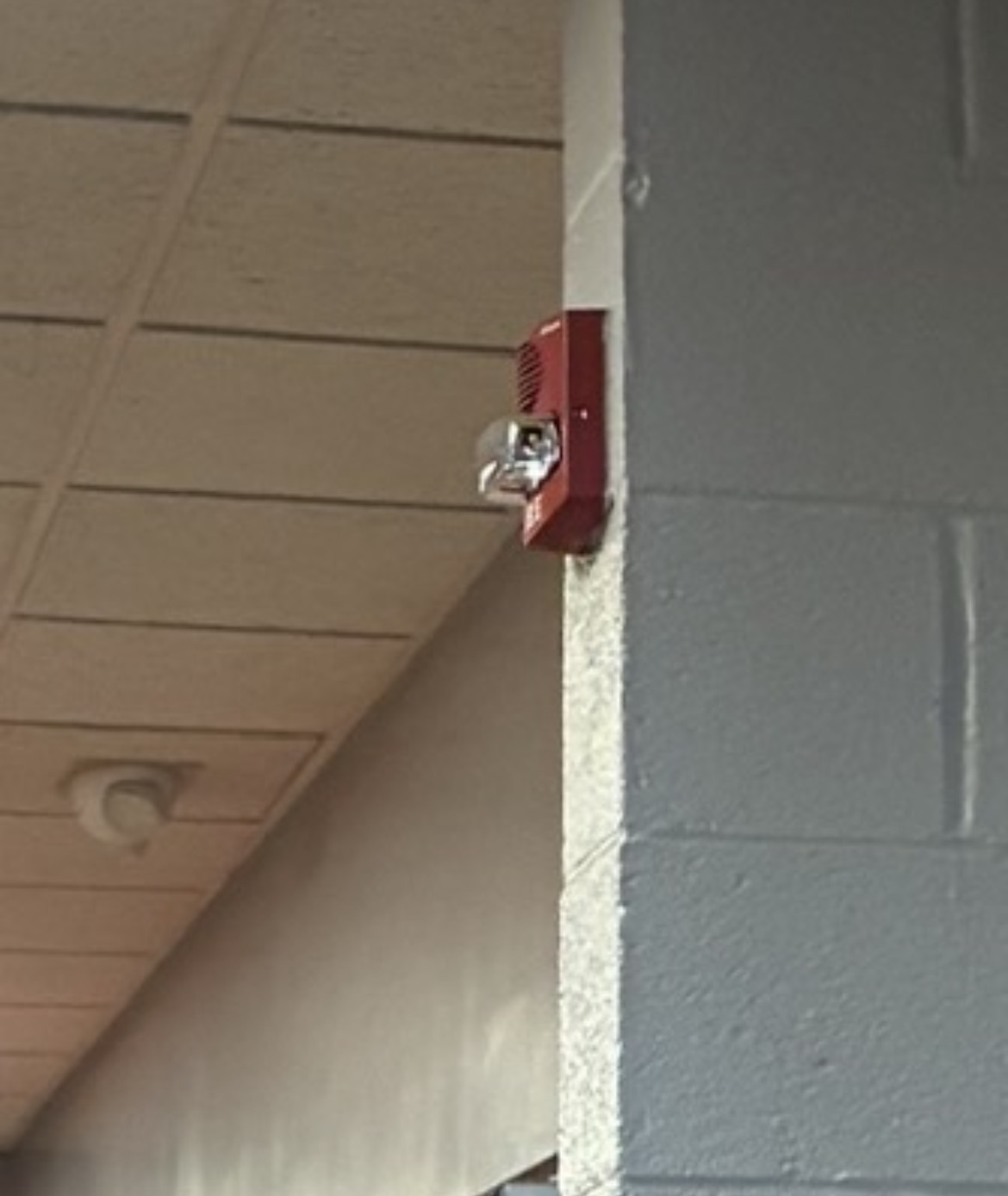
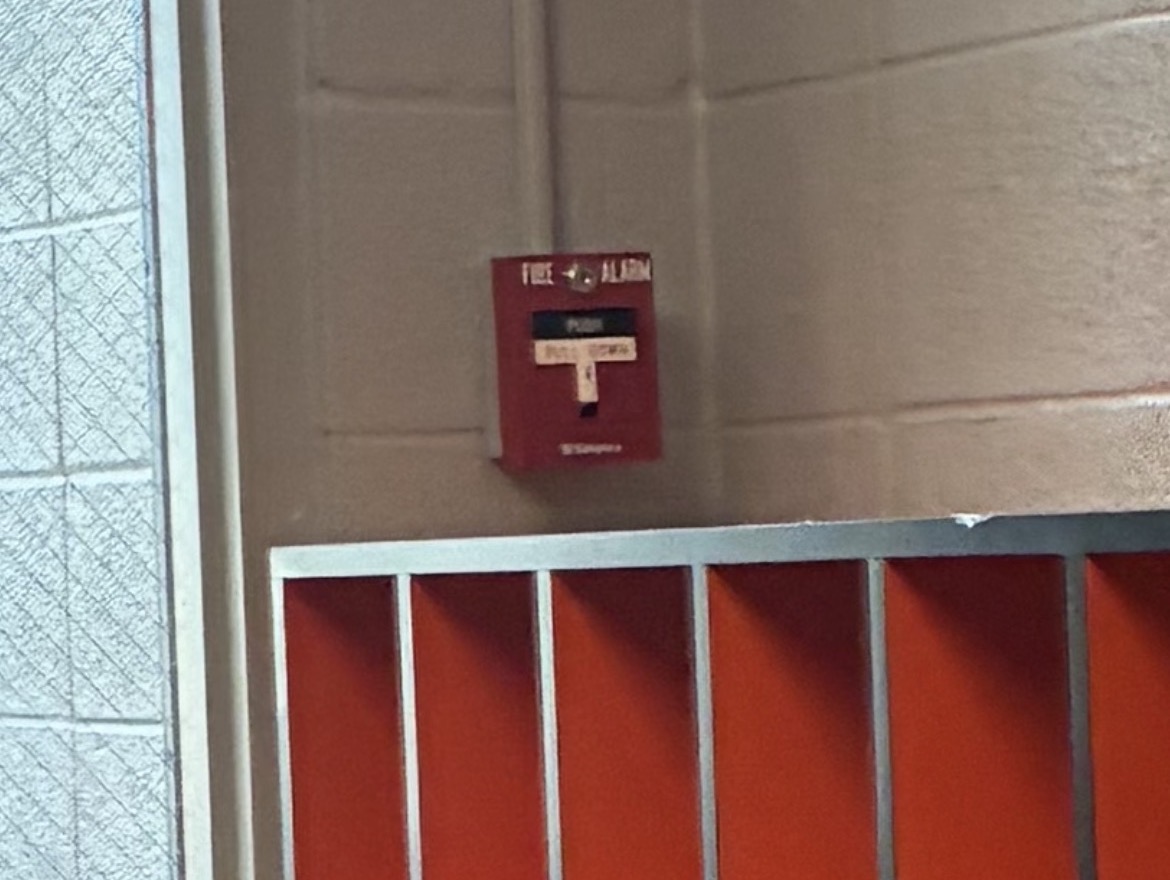
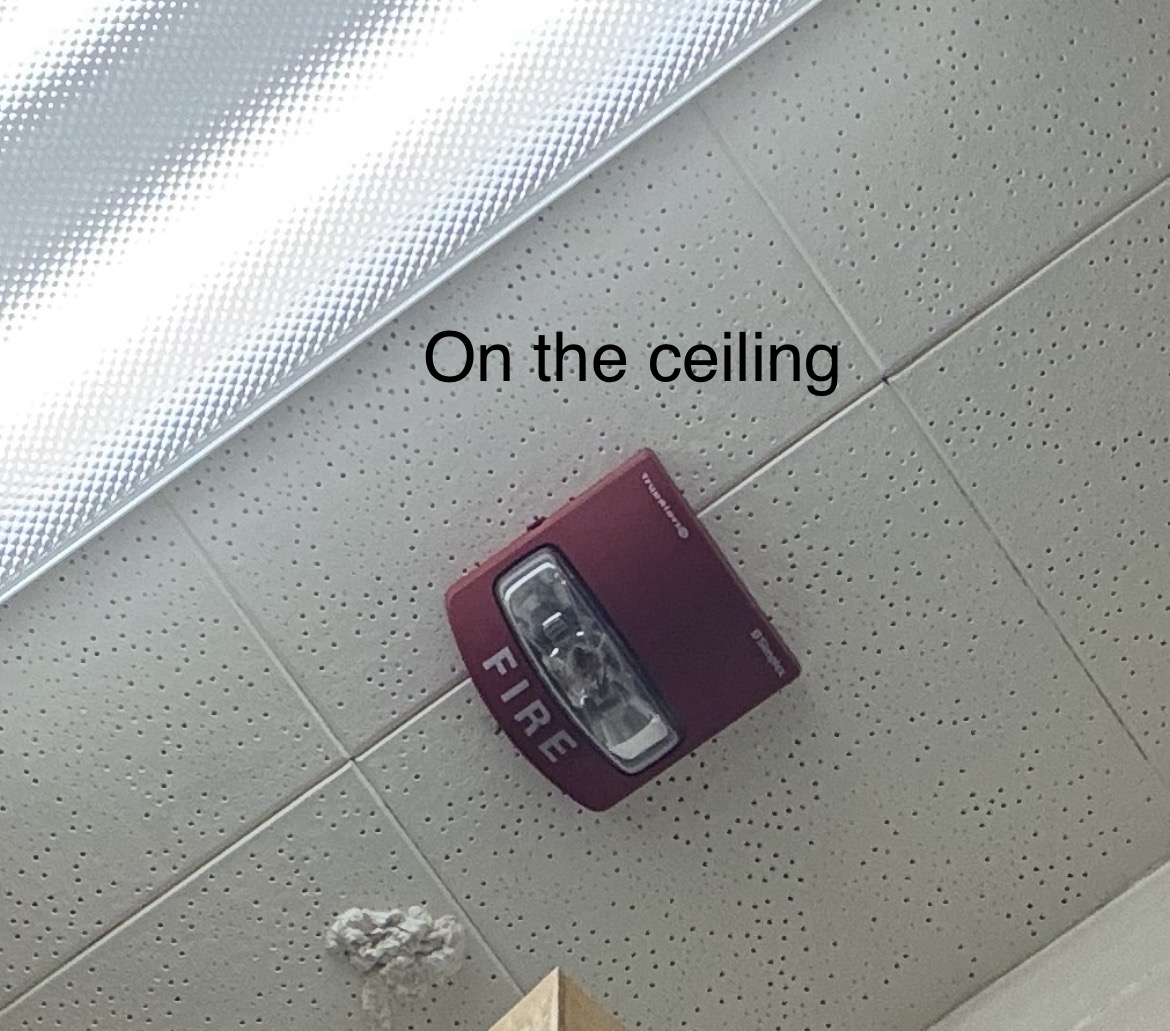
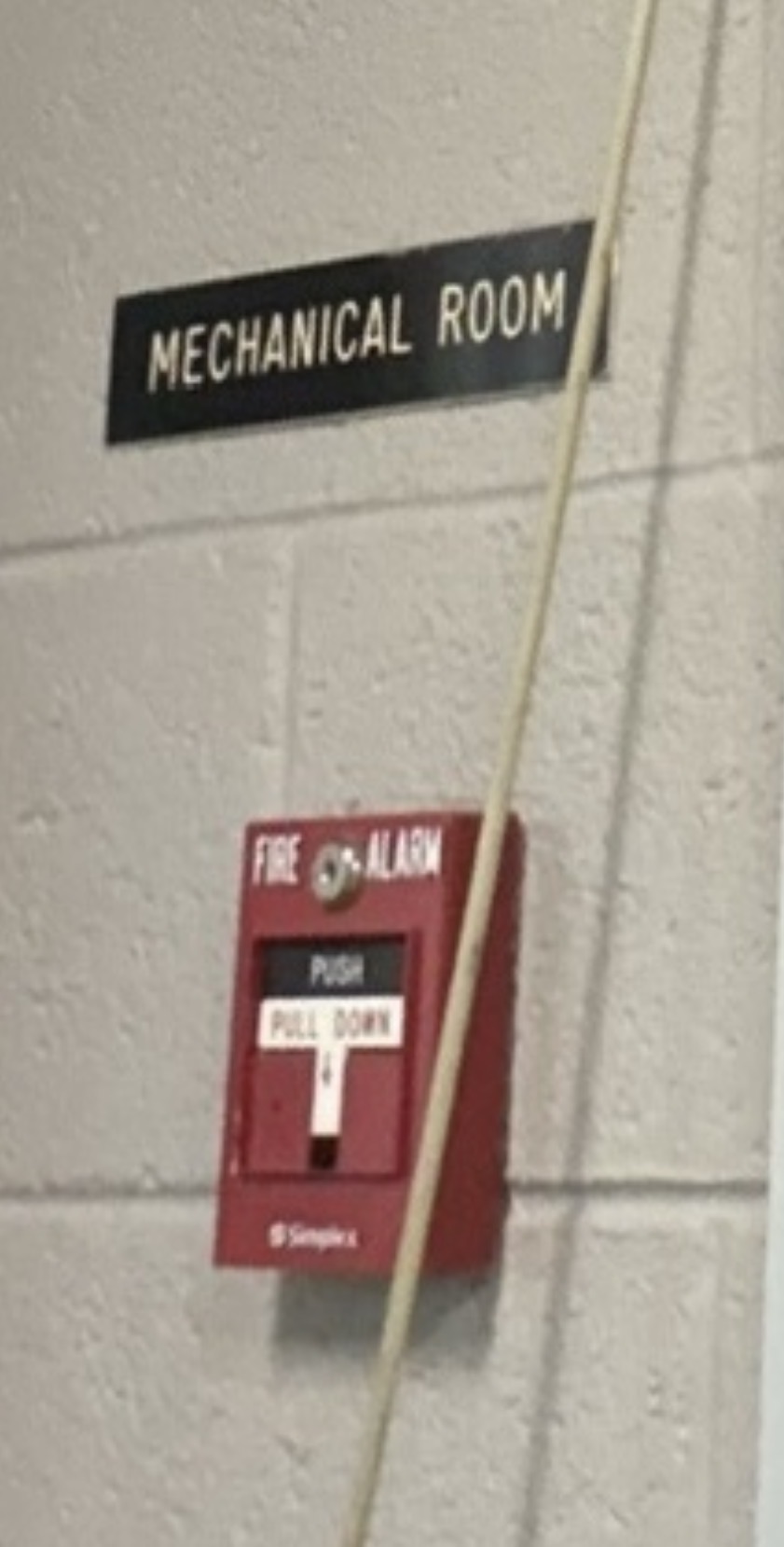
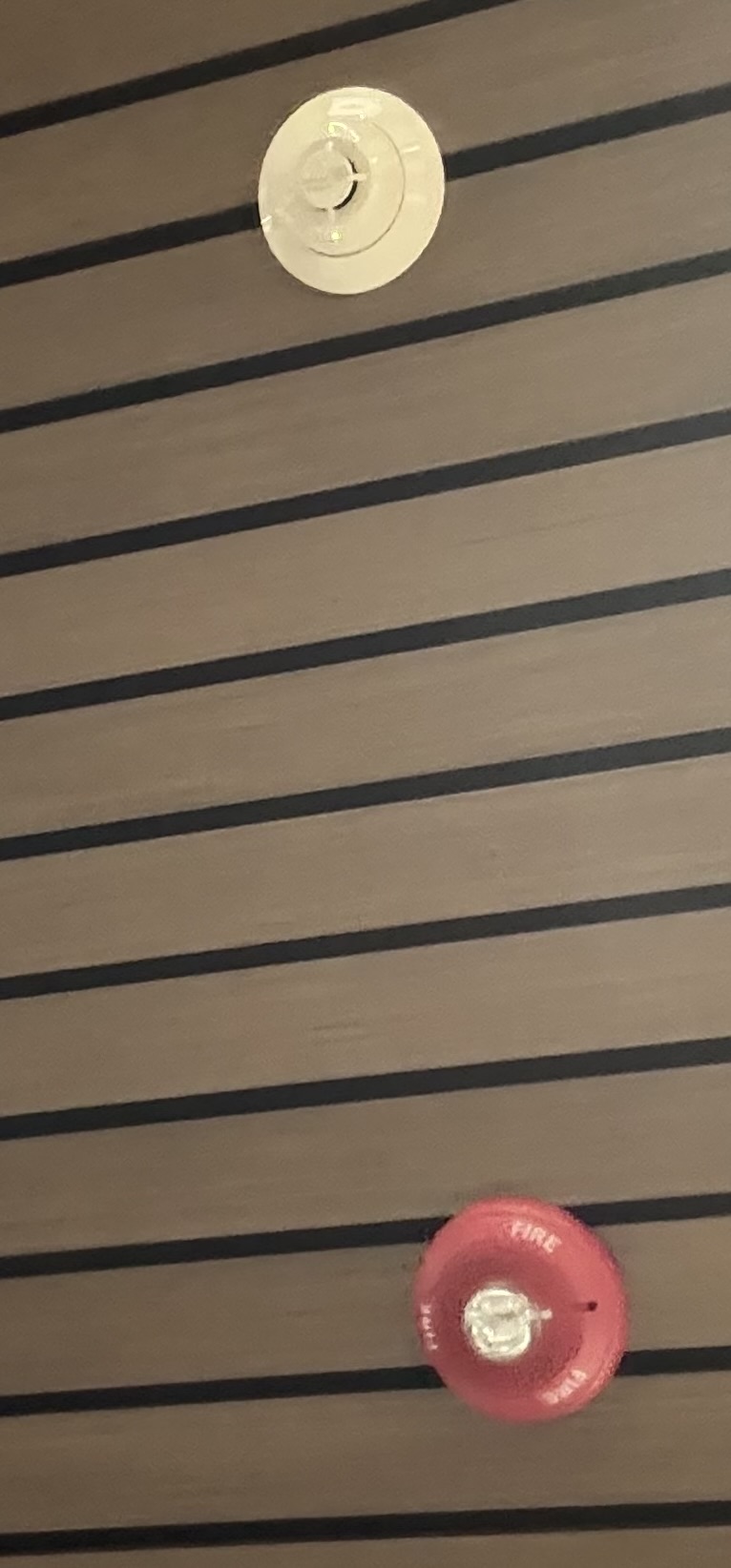
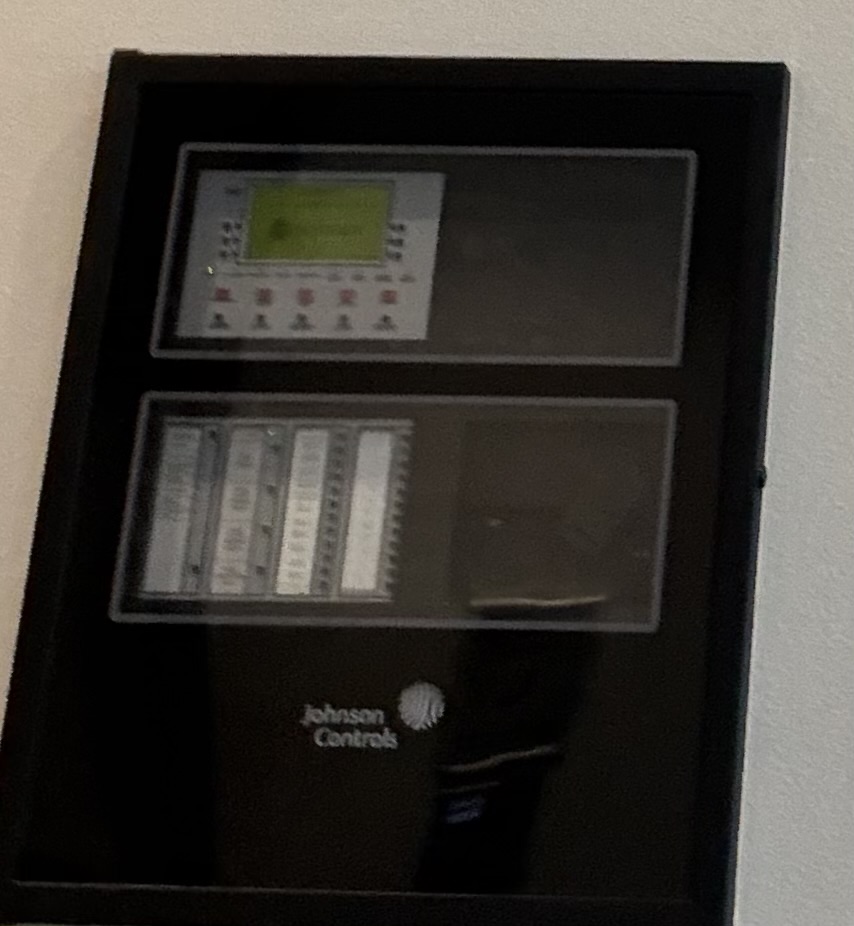
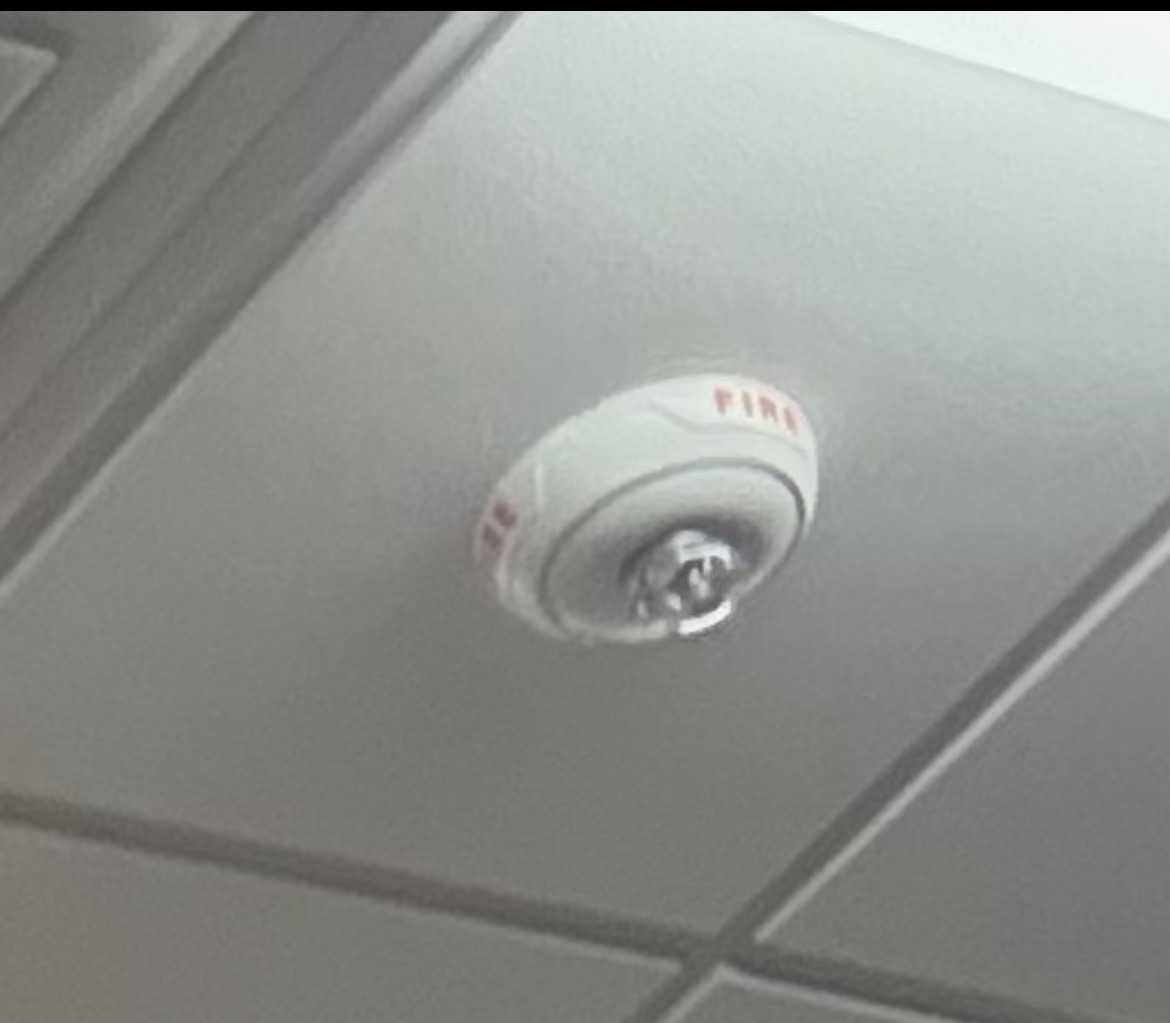
Today was the last community open house for this building before the ownership is transferred to the senior center that is taking it over. I walked through the building, and I took some photos of the system. I also believe I now know the history of this building’s system much better:
Original (1960-1970s): Likely an Edwards AC system
Second (1970s-1990s): A Simplex 4207 or 4208 system
Third (1990s-late 2010s): EST system (likely an LSS4)
Fourth (Late 2010s-Current (maybe 2026?)): Fully addressable Simplex 4007ES system
I have no idea what will happen with the system now, or how much the building will be renovated. It’s possible that they will keep the existing system, and change it as needed, as it’s still an up-to-date system. If they do significant remodeling, it’s more likely that it will be fully replaced.
This sounds like a change of occupancy classification from Group E (educational) to Group A-3 (assembly). If the resulting occupant load is over 1000, voice evac will likely be needed. Section 1004.5 of the IBC/IFC gives instructions on how to calculate this, but the occupant load of an assembly occupancy can often be estimated as the open floor area divided by 15.
Voice evac might also be installed if the existing egress routes are not large enough to accommodate a larger occupant load. IBC/IFC normally require flat components such as corridors, doors, and ramps to be at least 0.2 inches wide per occupant served and stairs to be 0.3 inches per occupant served, but when a building is sprinklered and has voice evac, the former can be reduced to 0.15 inches and the latter can be reduced to 0.2 inches.
Also, I assume the building currently doesn’t have any sprinklers. Sprinklers will probably be needed unless the building is single-story, does not need the egress width modification above, and has sufficient fire compartmentation so that each compartment is a maximum of 12000 square feet with an occupant load below 300.
Yeah, I have no idea what will happen. Currently, the building is very small, as it’s an eight classroom school that had only around 100 students. The only large room was the gym/cafeteria, which is the smallest school gym I’ve been in. Overall, I think an occupant load over 1,000 is very unlikely. The building is one floor, has no fire compartmentalization outside of the classrooms, and is not sprinklered. It’s also interesting that, although the system in this school was installed before my area adopted the codes requiring voice evac in schools, this system was likely still fully compliant today, as this building has such a low student population.
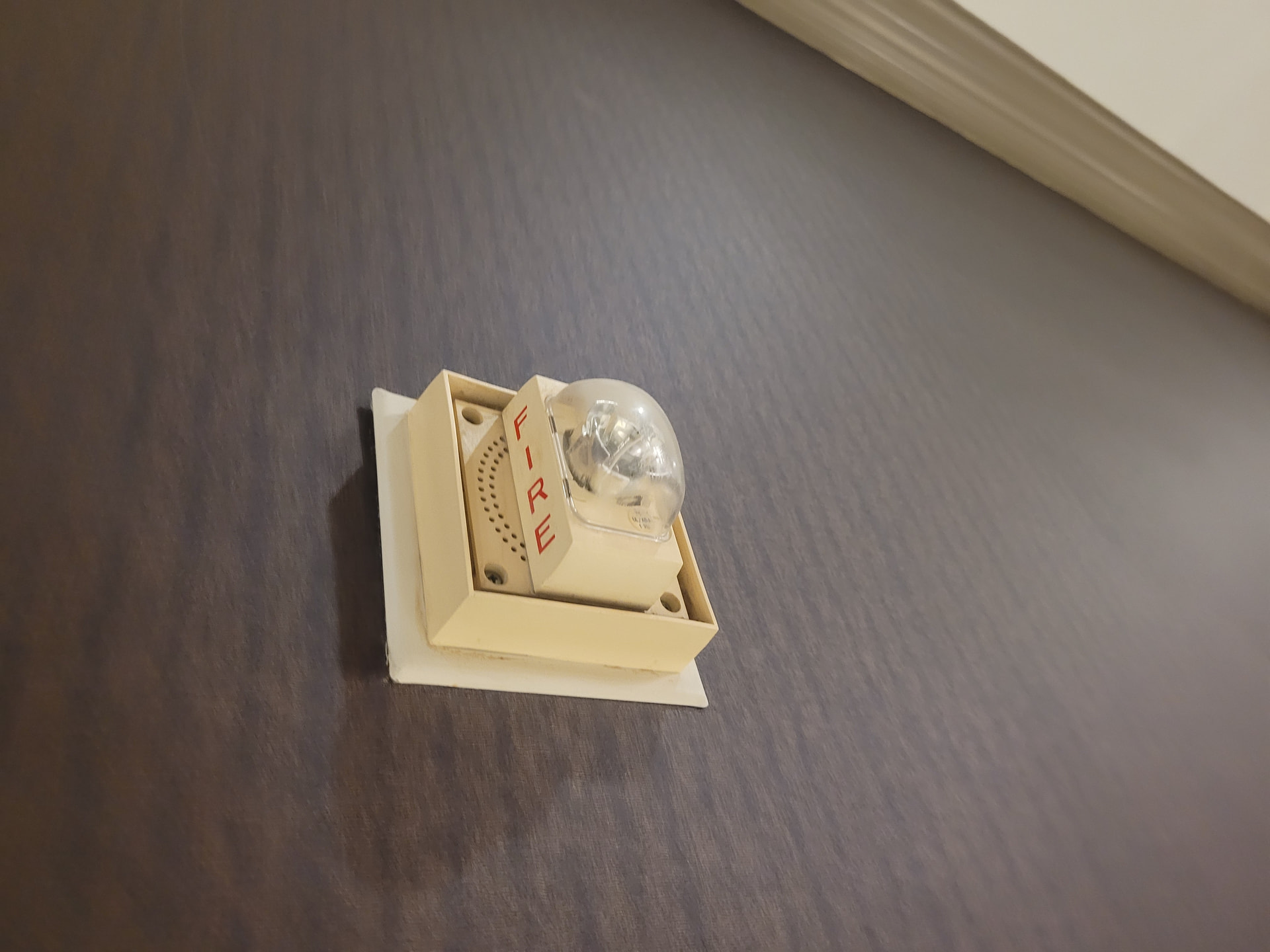
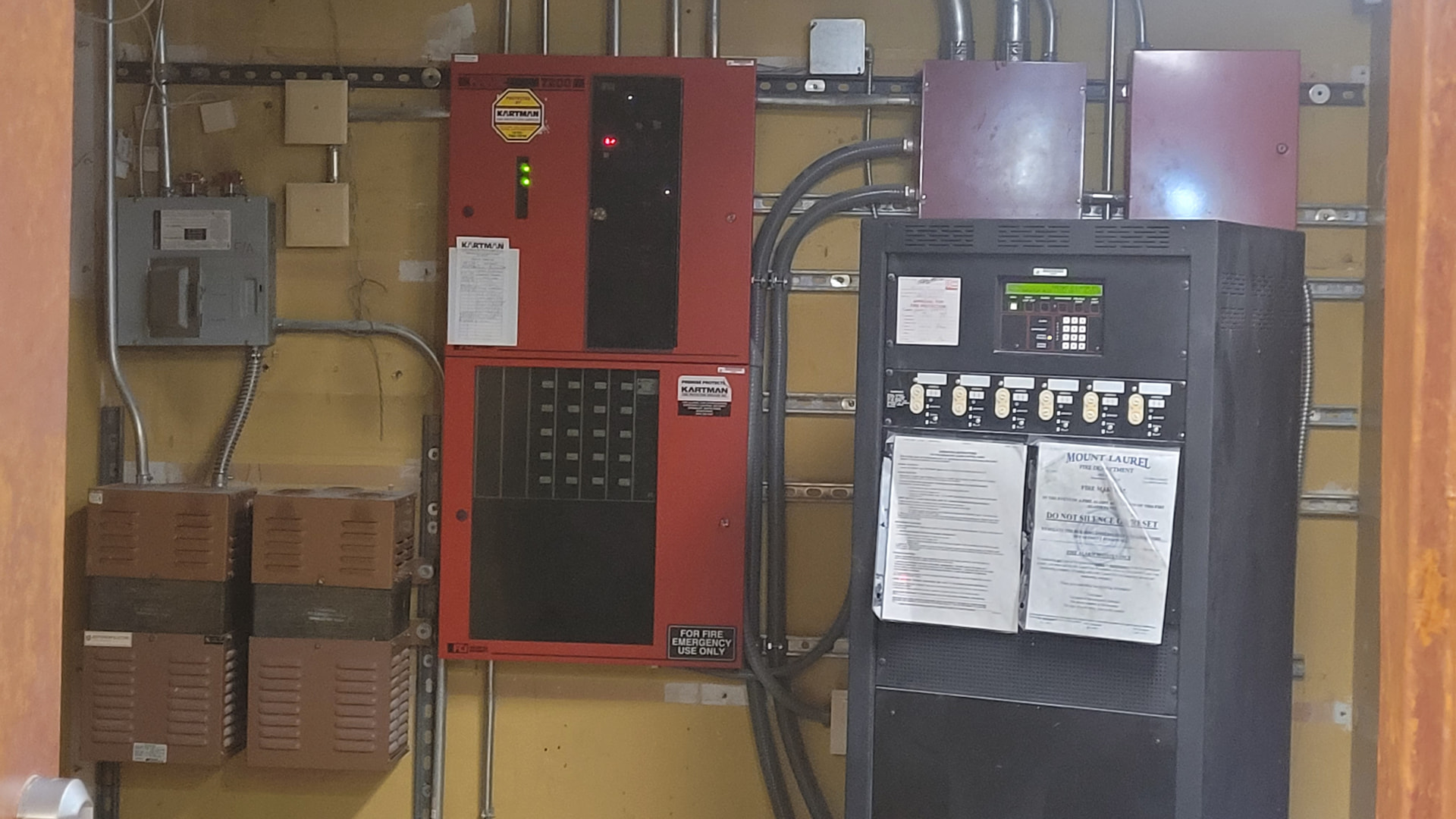
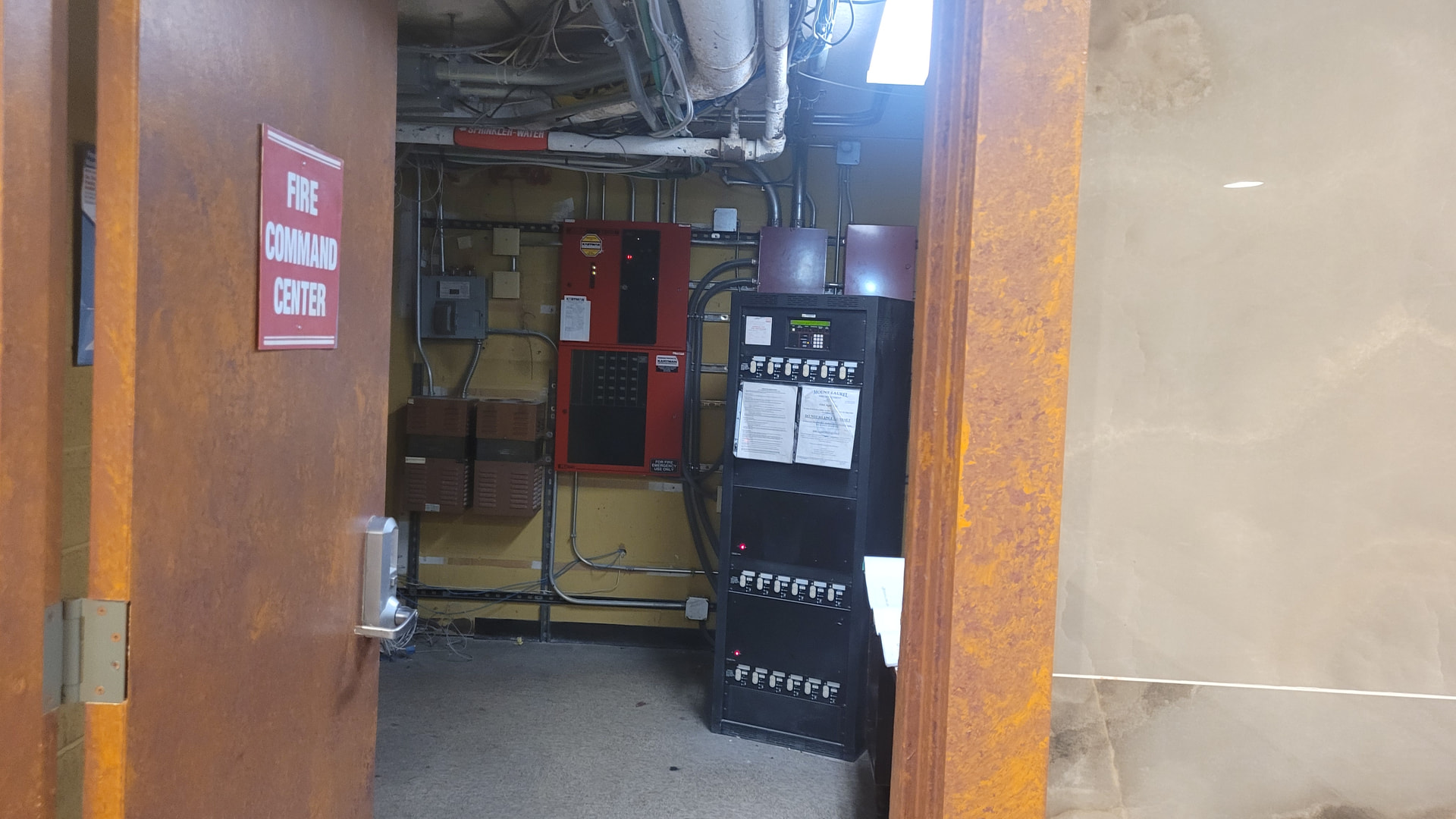
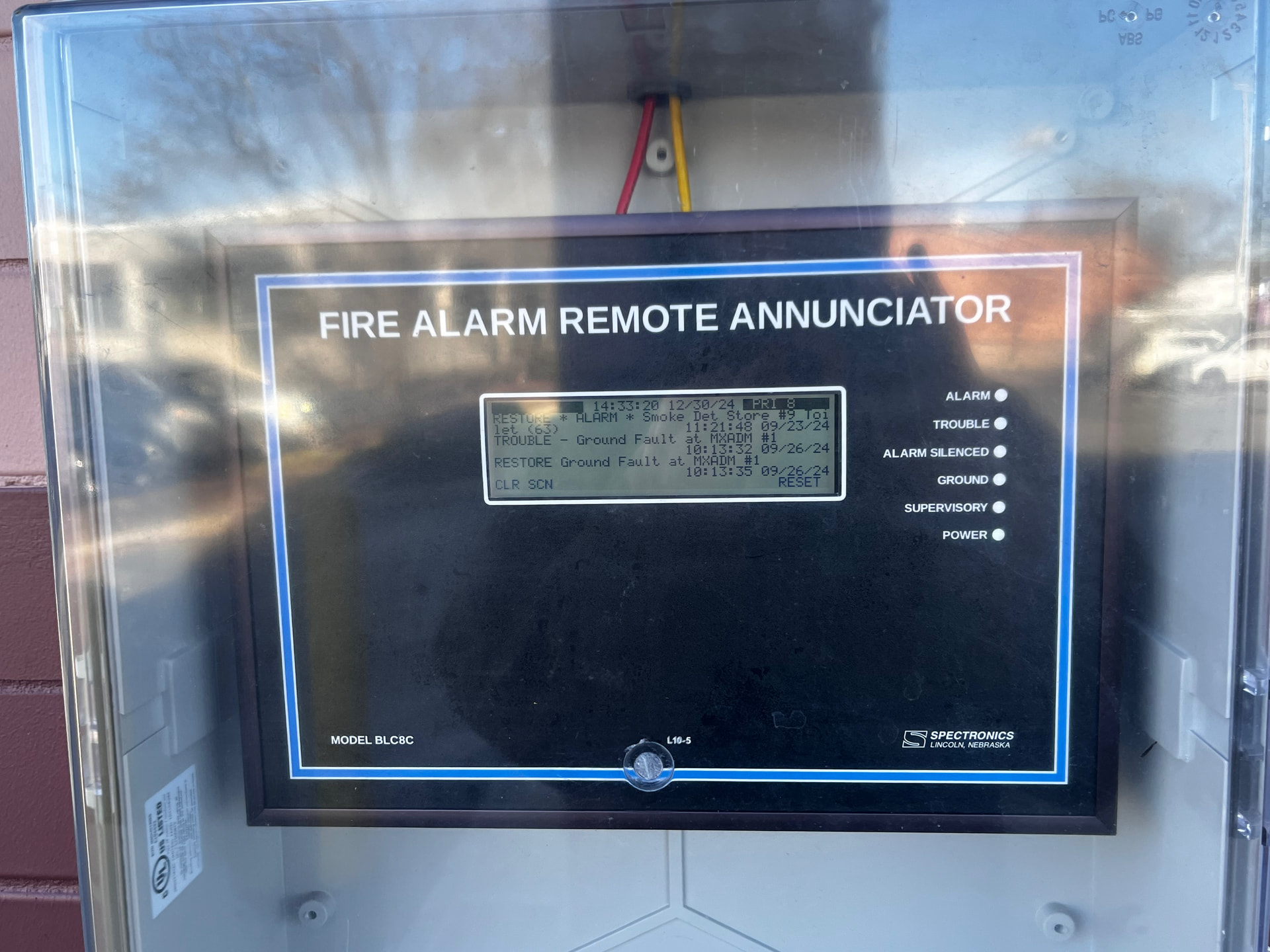

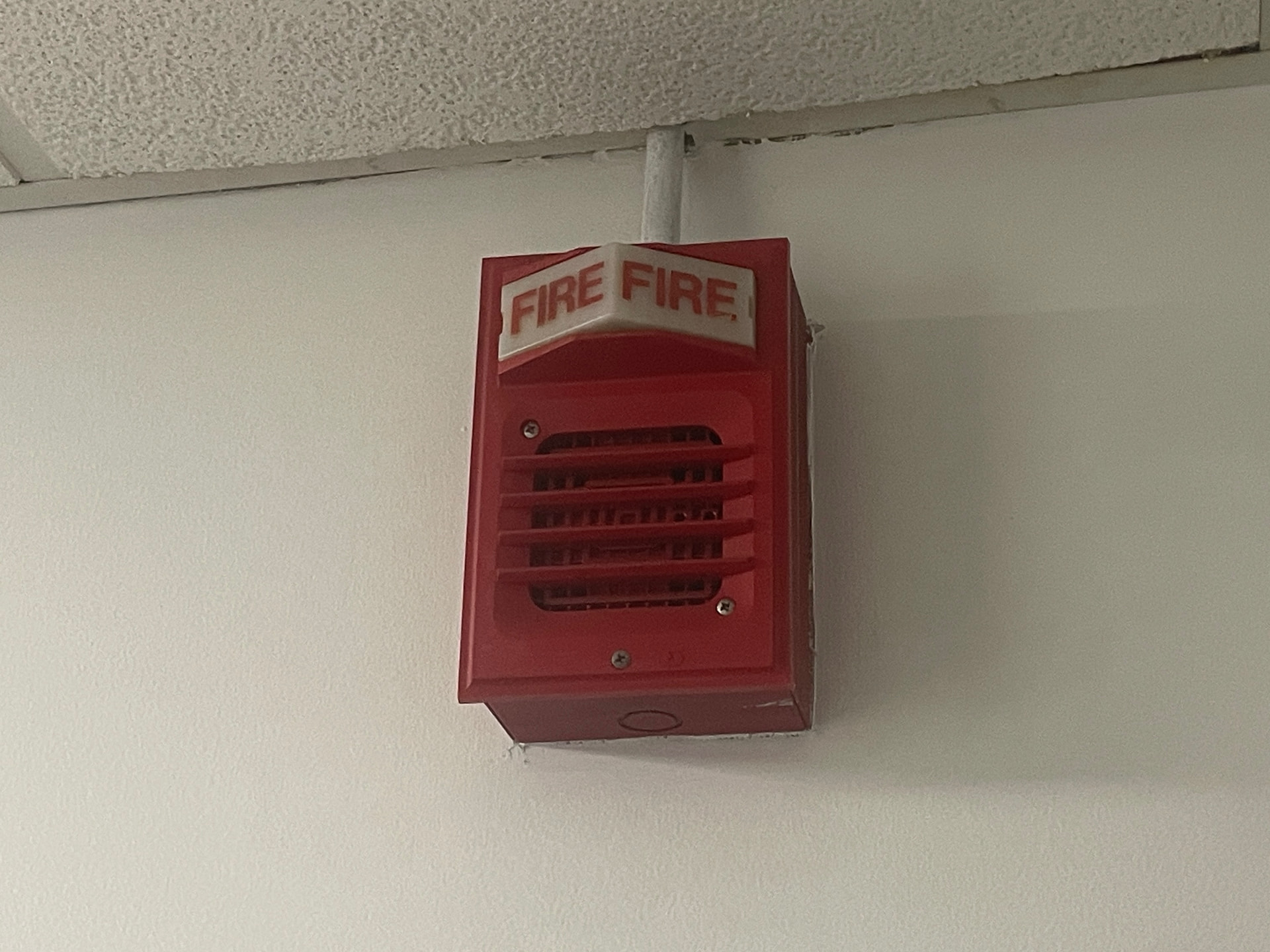
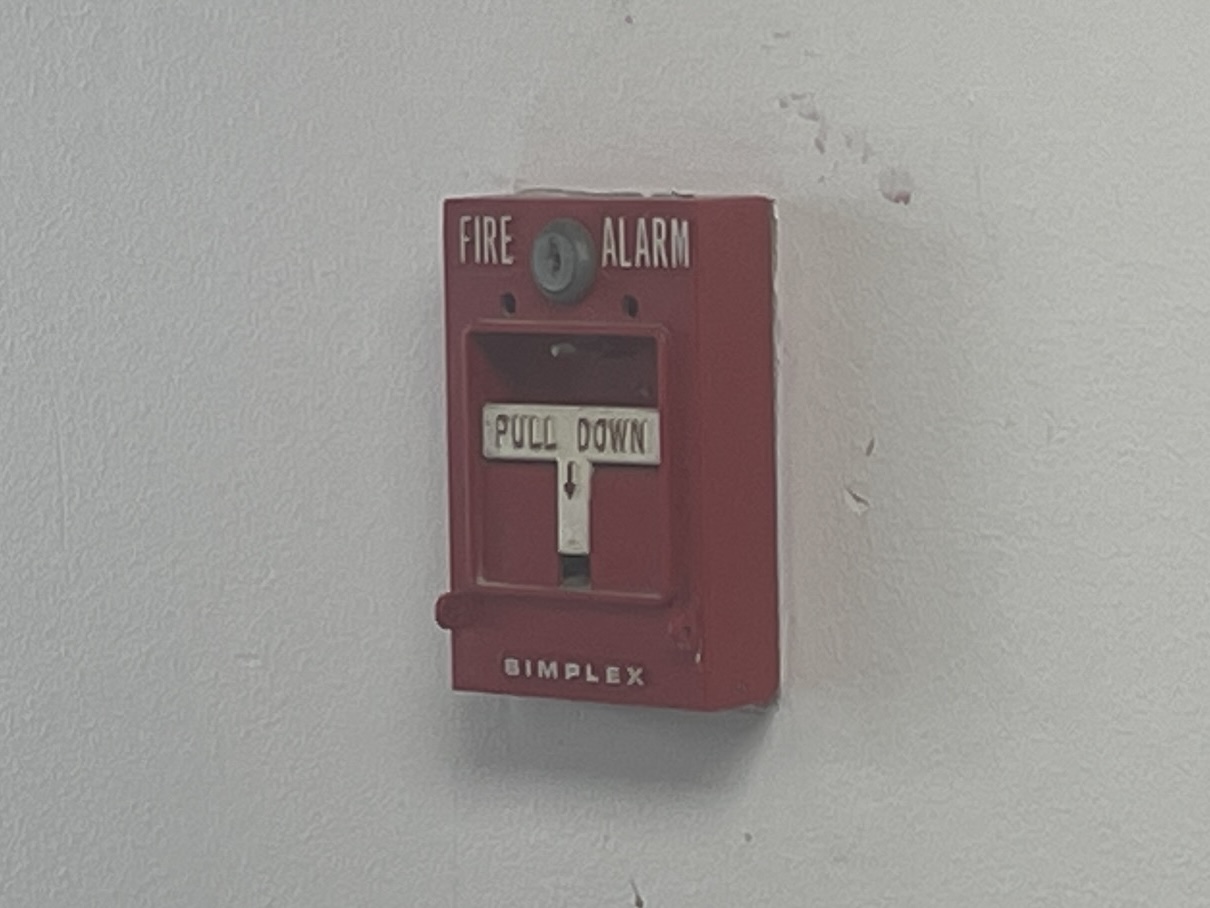




 :
: