Hilton Sandestin Beach Resort- Miramar Beach, FL
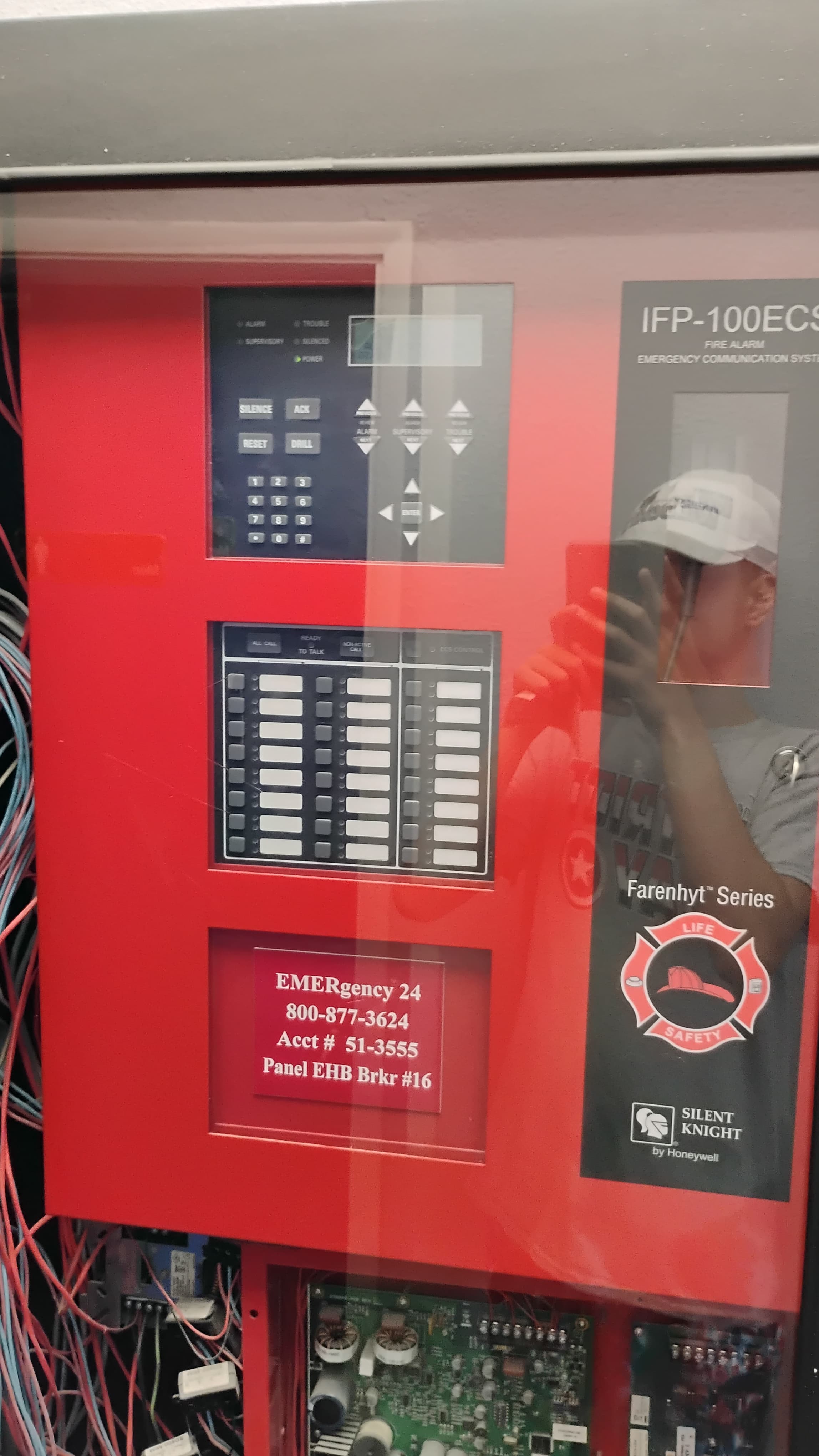
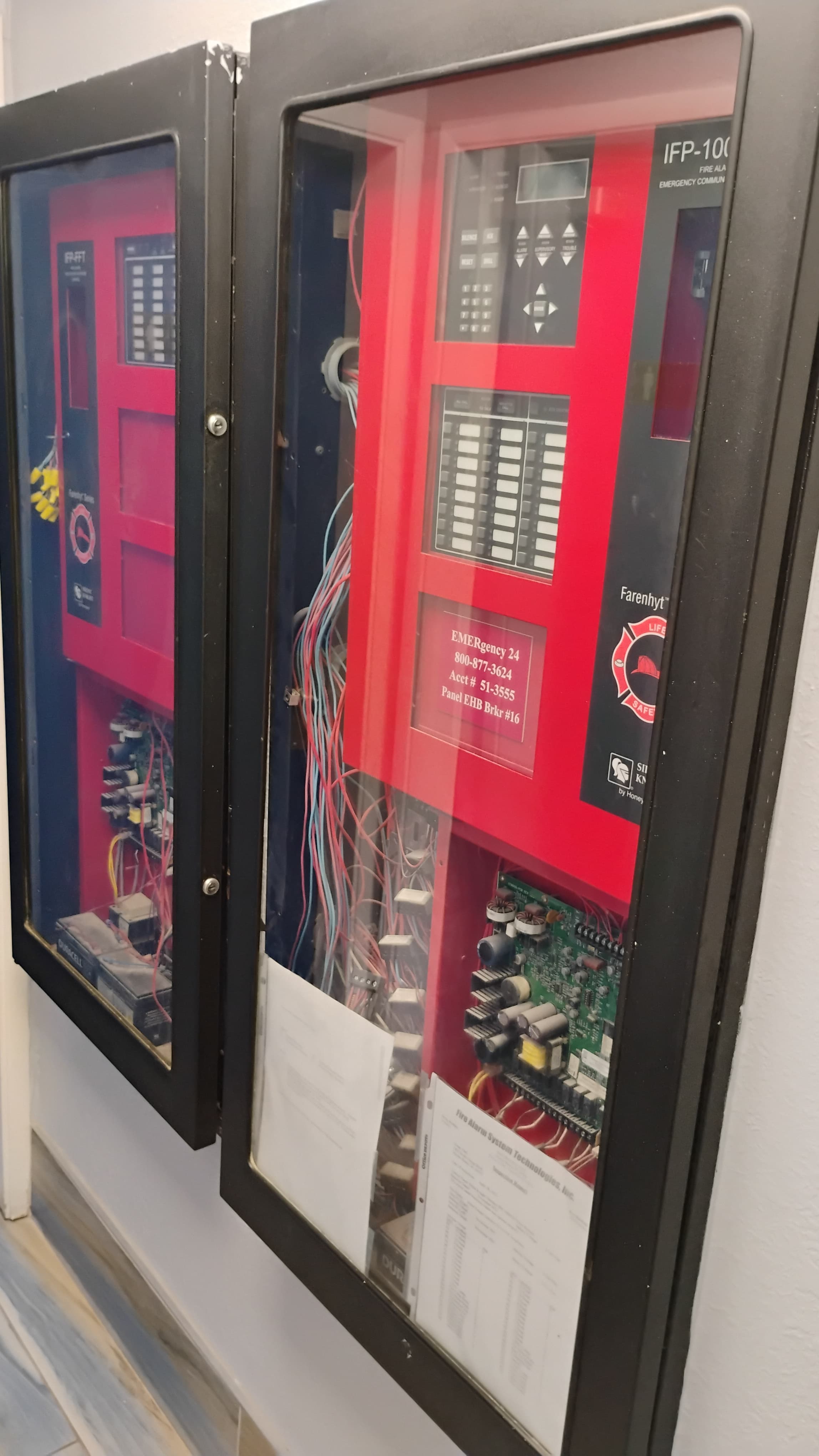
This is a fairly large resort with four buildings/sections that are all connected to each other. All of the buildings/sections share what is likely a Simplex 4100ES. Each building has different devices, so I will explain each building/section individually.
Main Building/Lobby:
This building is only one floor and is in the middle of the complex between the Spa Building and the Convention Center. It contains the hotel’s lobby, two restaurants, and an indoor swimming pool.
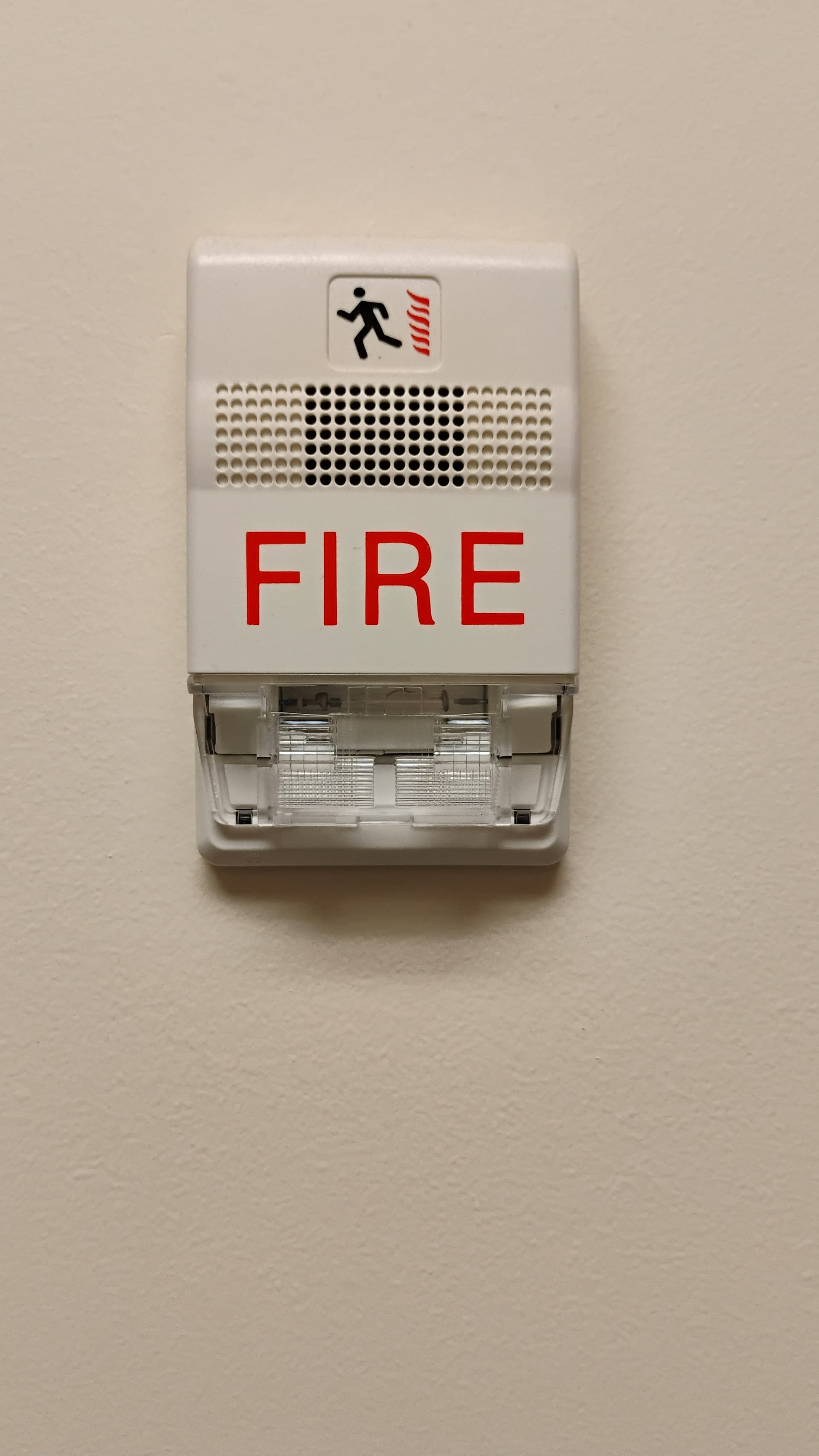
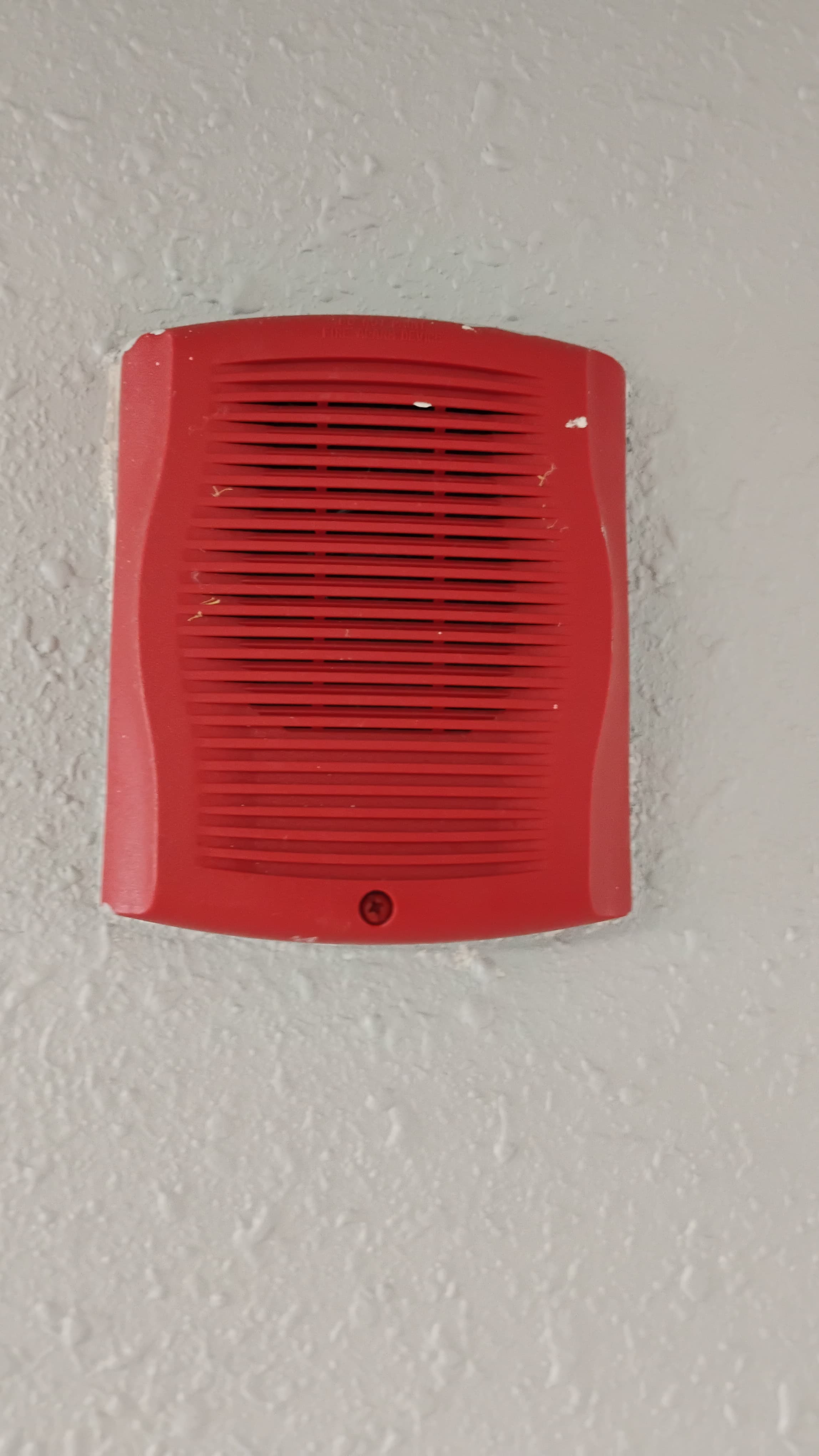
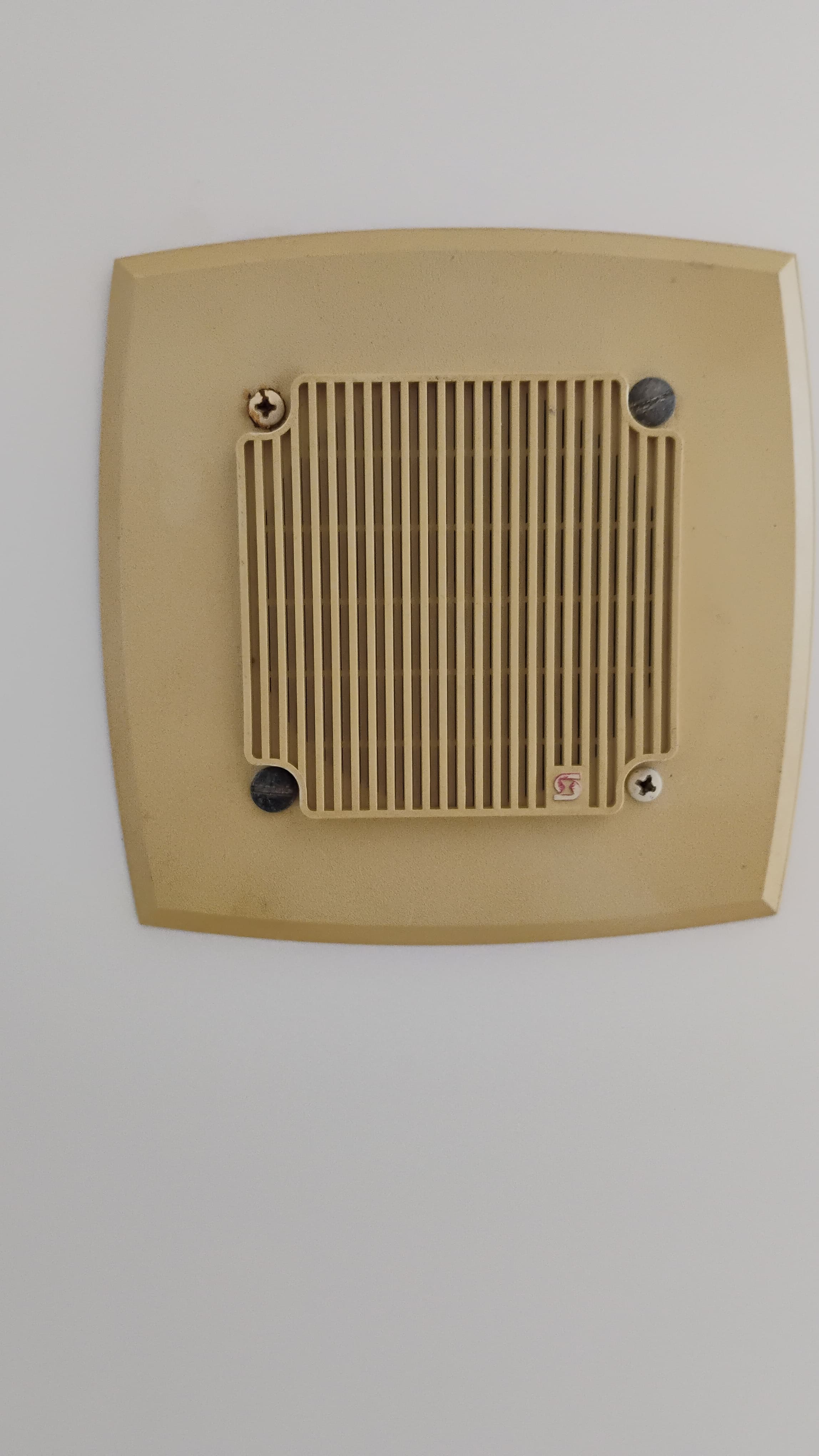
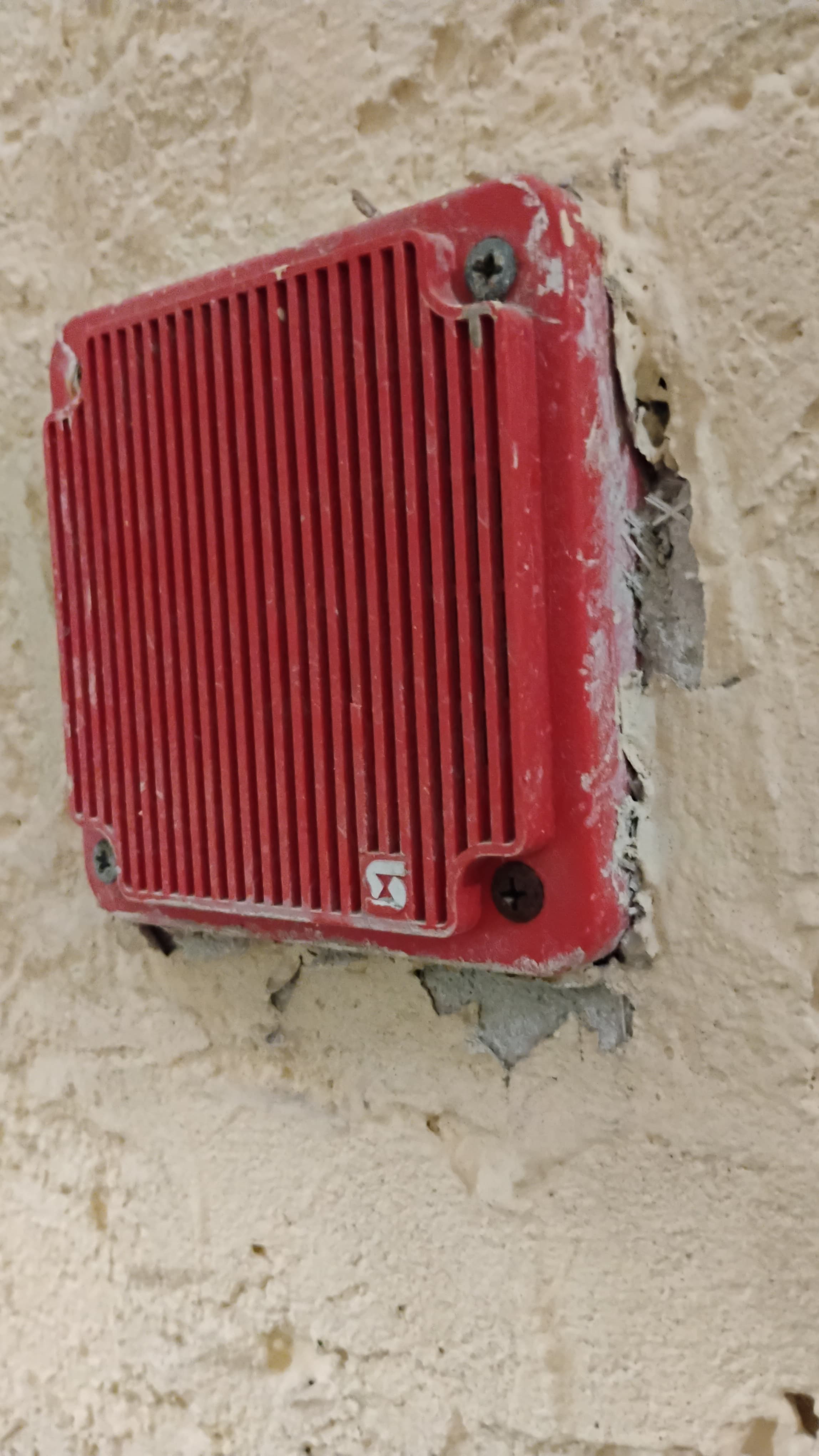
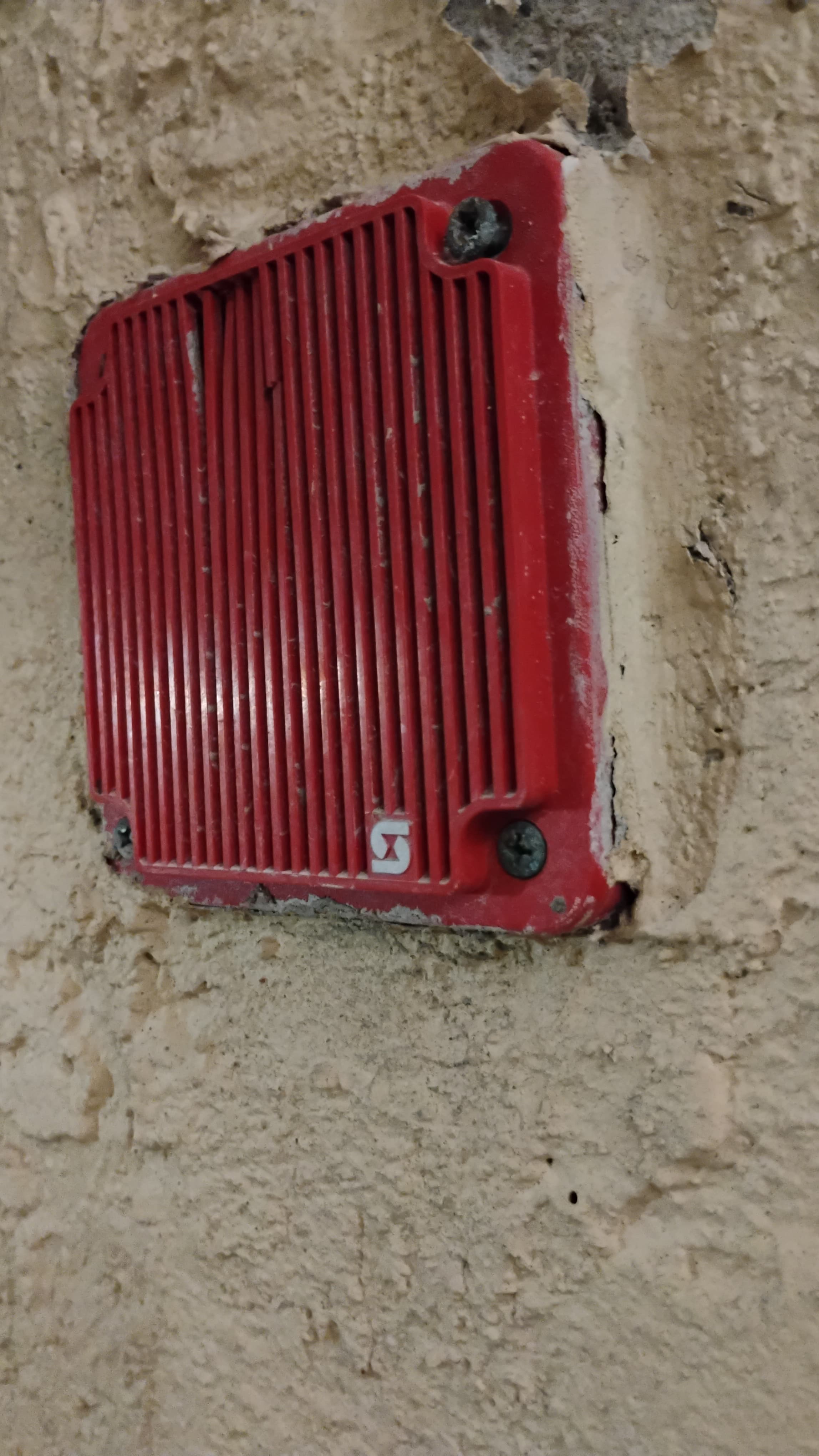
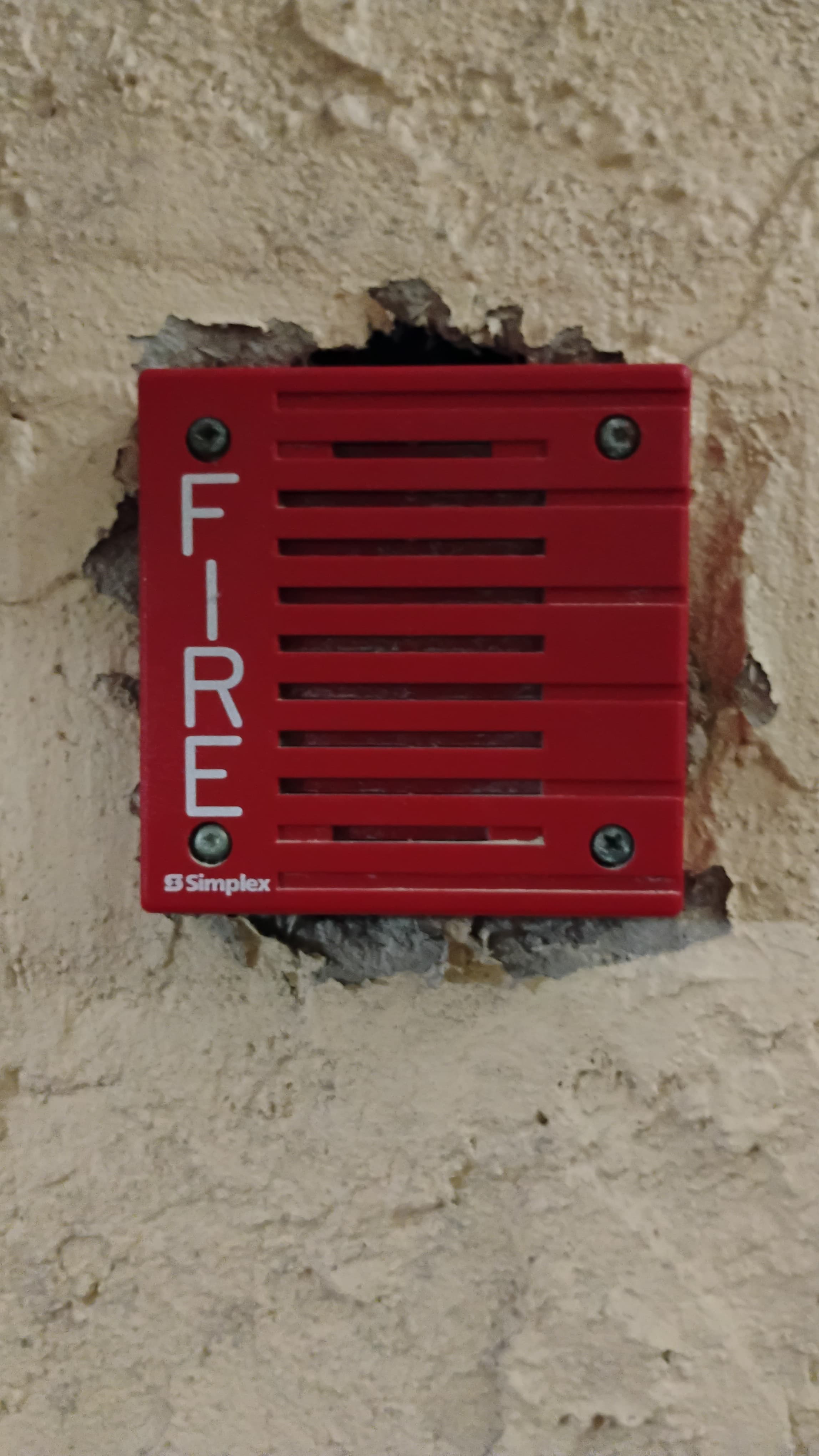
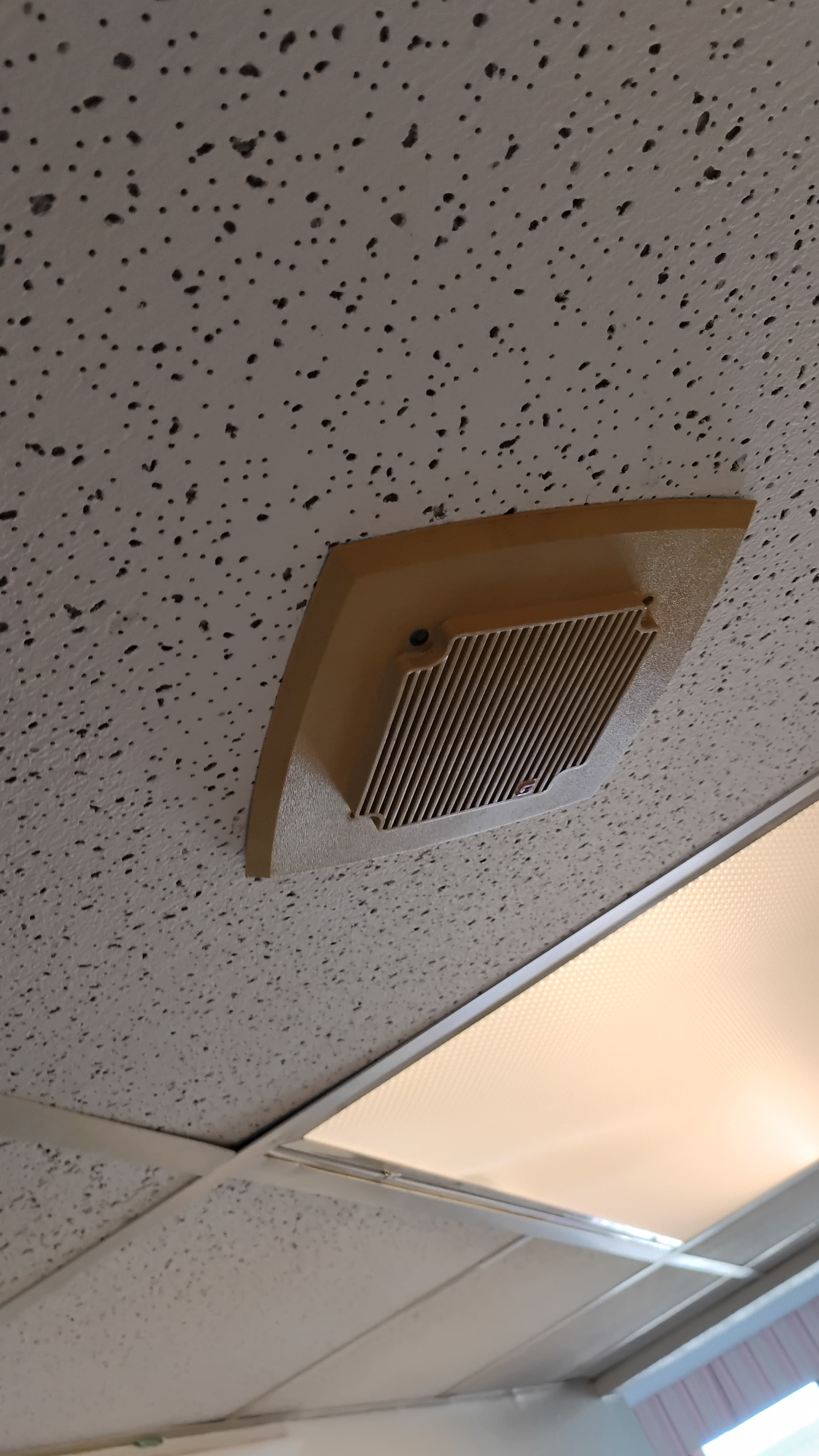
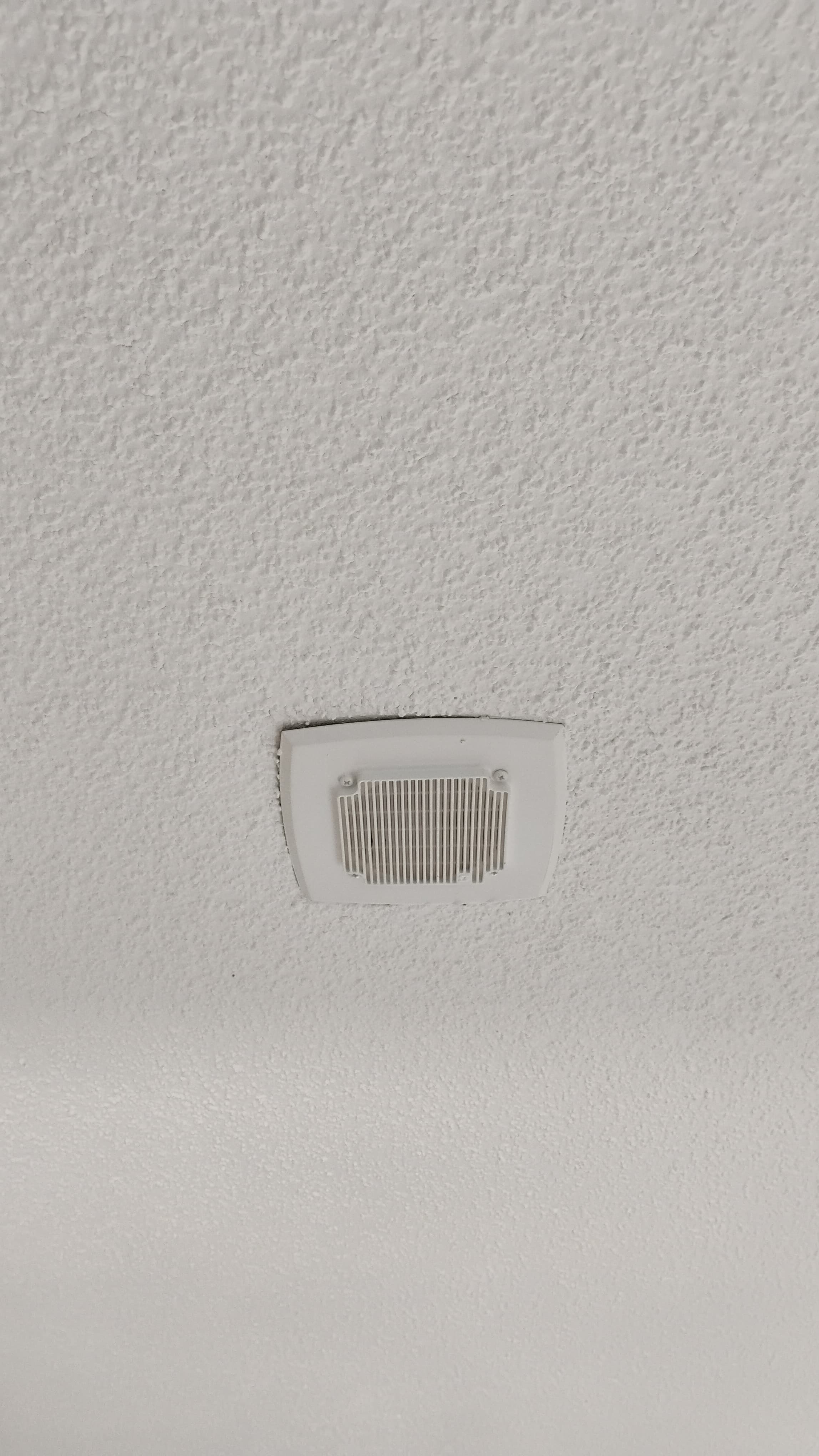
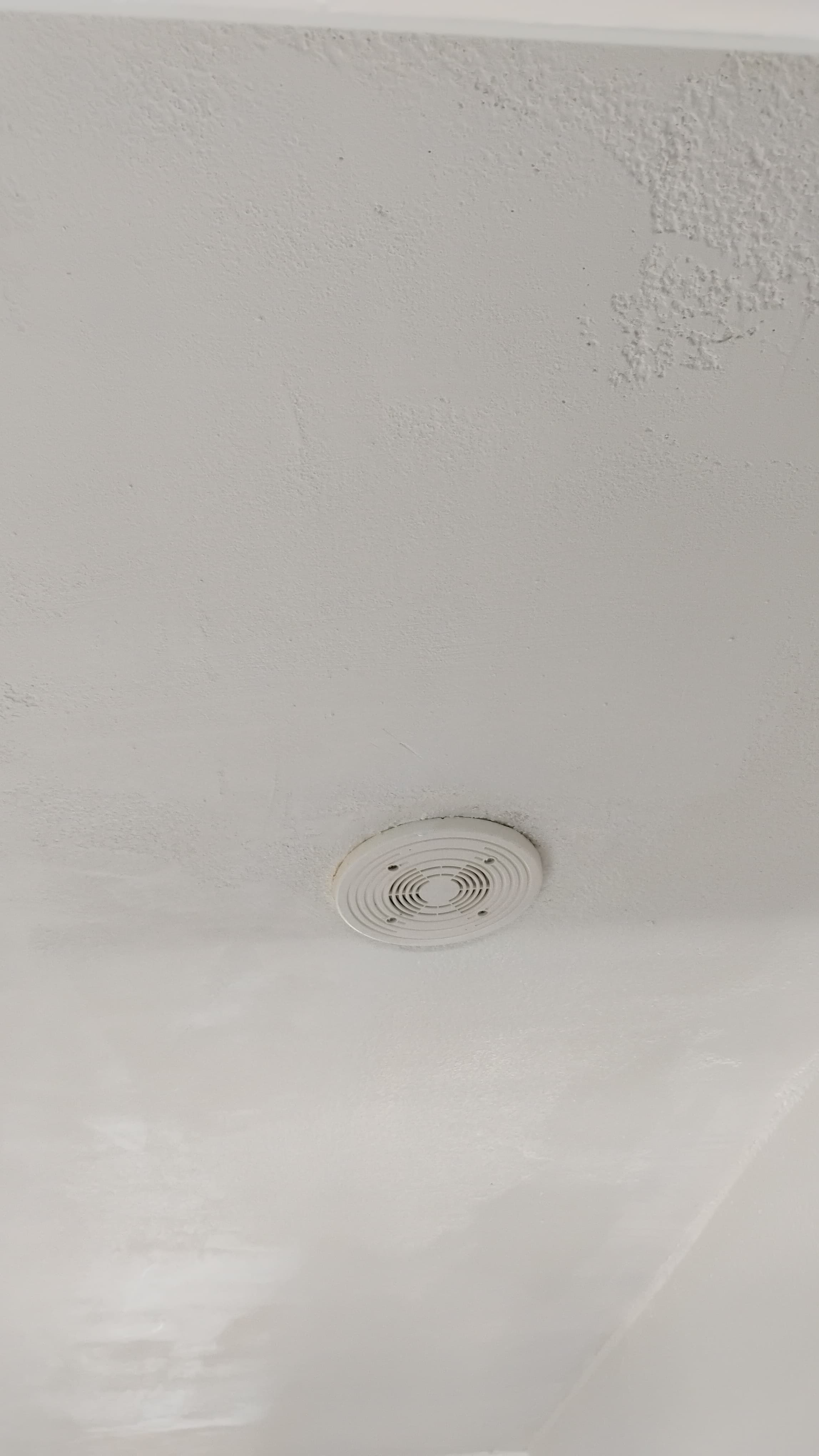
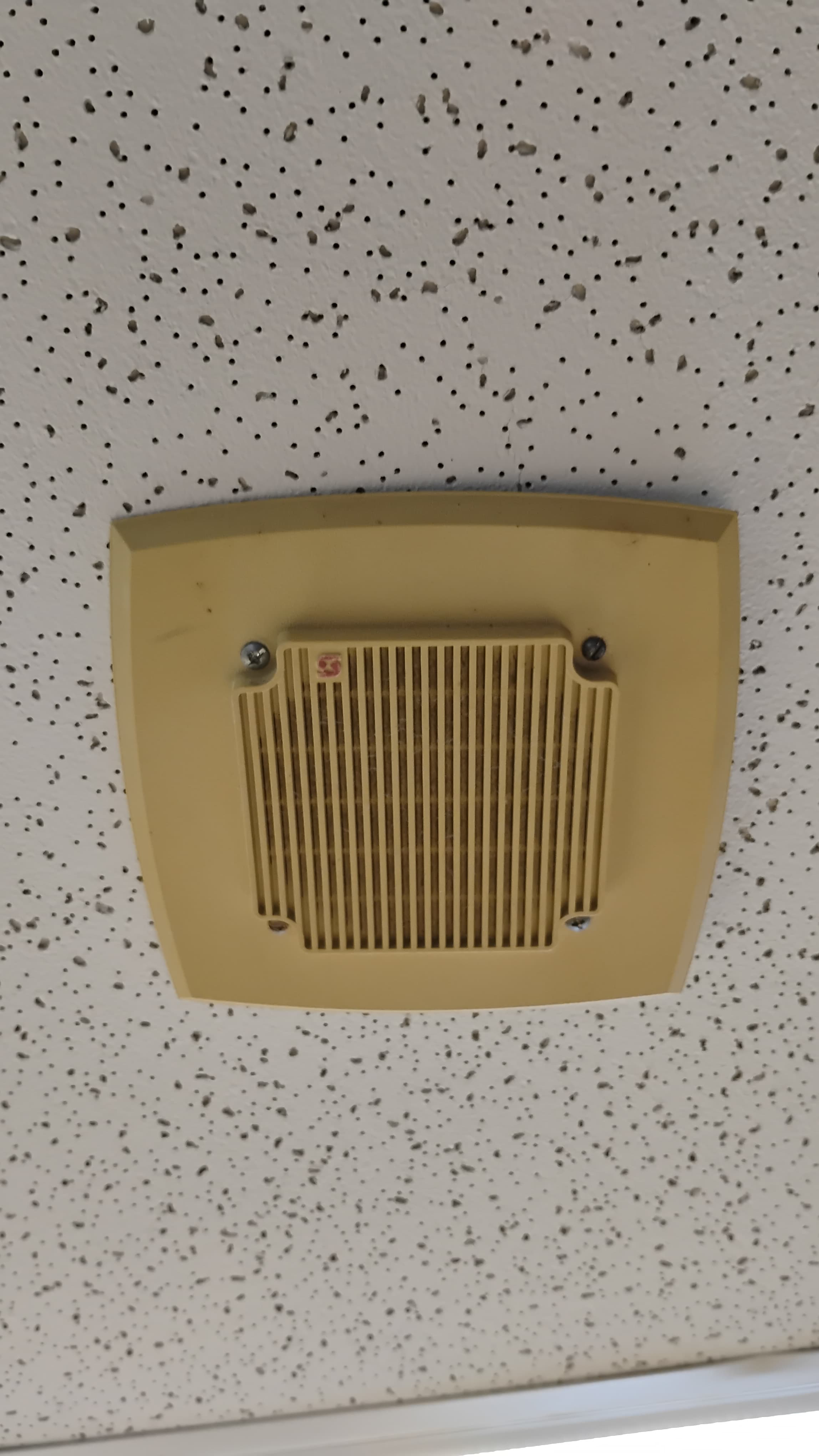
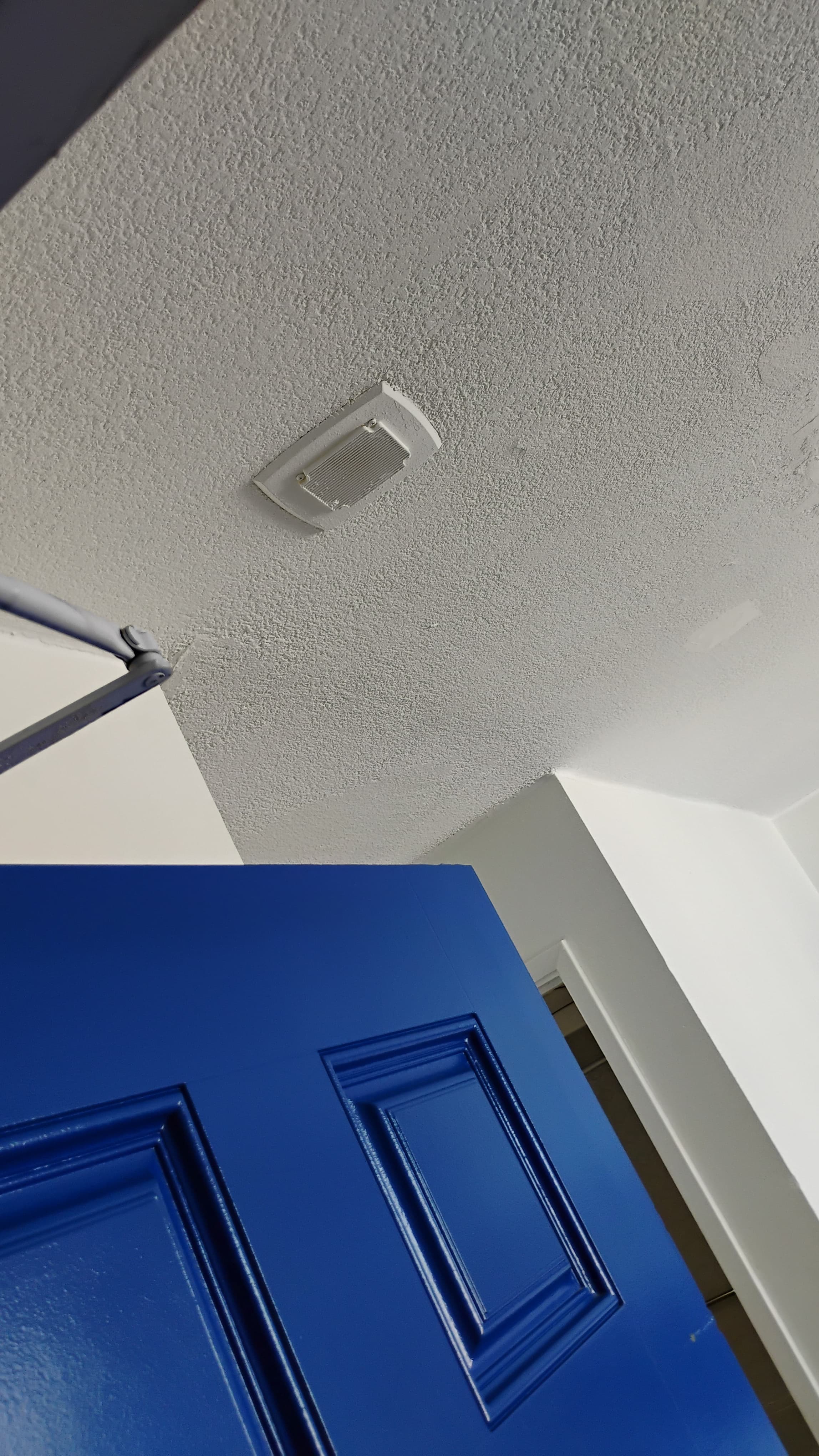
Notification Appliances: Mostly Wheelock E90-W and E60-W speakers. There are some Wheelock E90-24(XX)C-FW and E70-24(XX)W-FR speaker/strobes, Wheelock RSS-24(XX)W-FW remote strobes (including one on a Simplex 2903 retrofit plate), Simplex 4902-9716 remote speakers, and a couple Eaton ELSPSTR speaker/strobes.
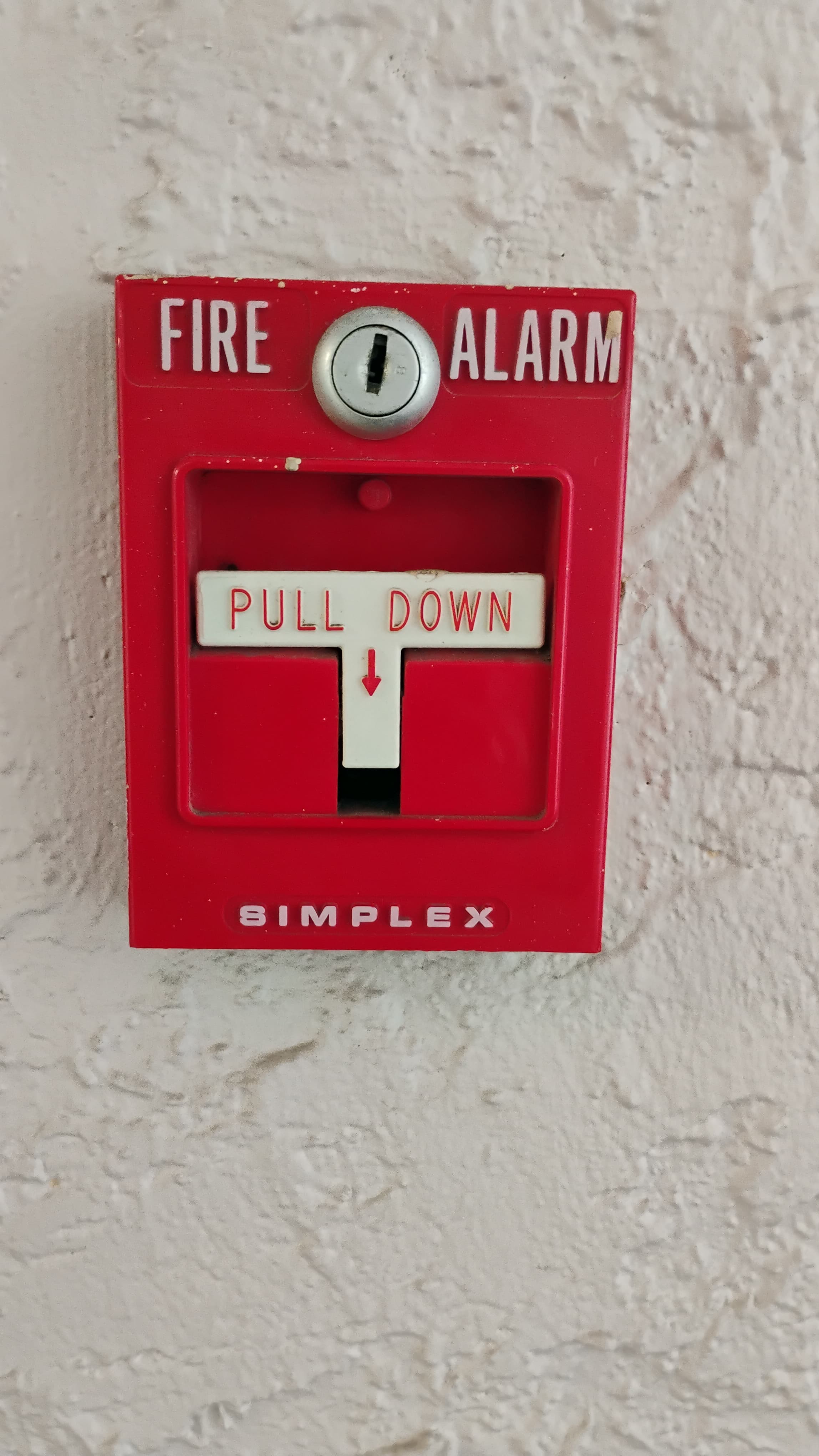
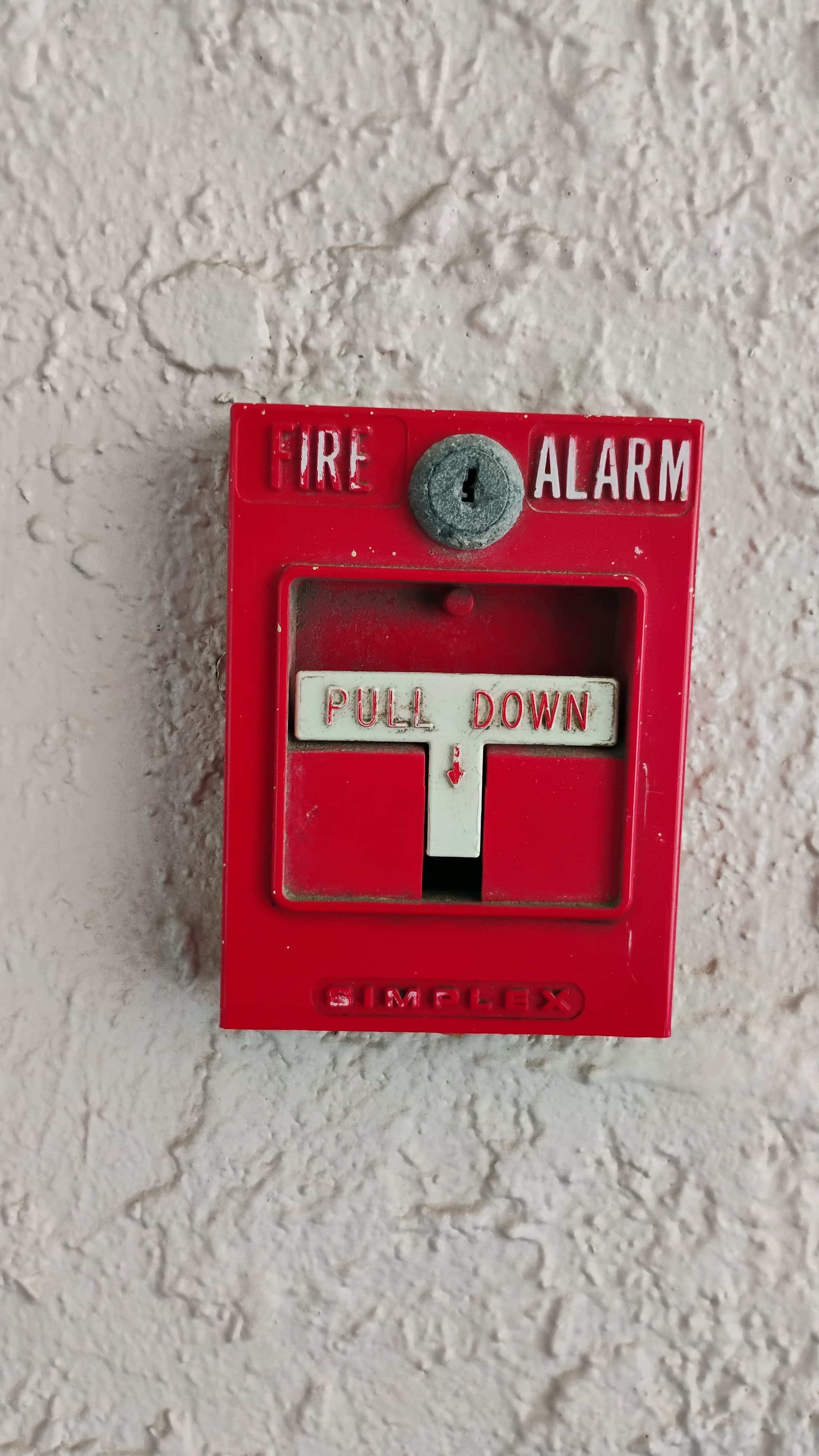
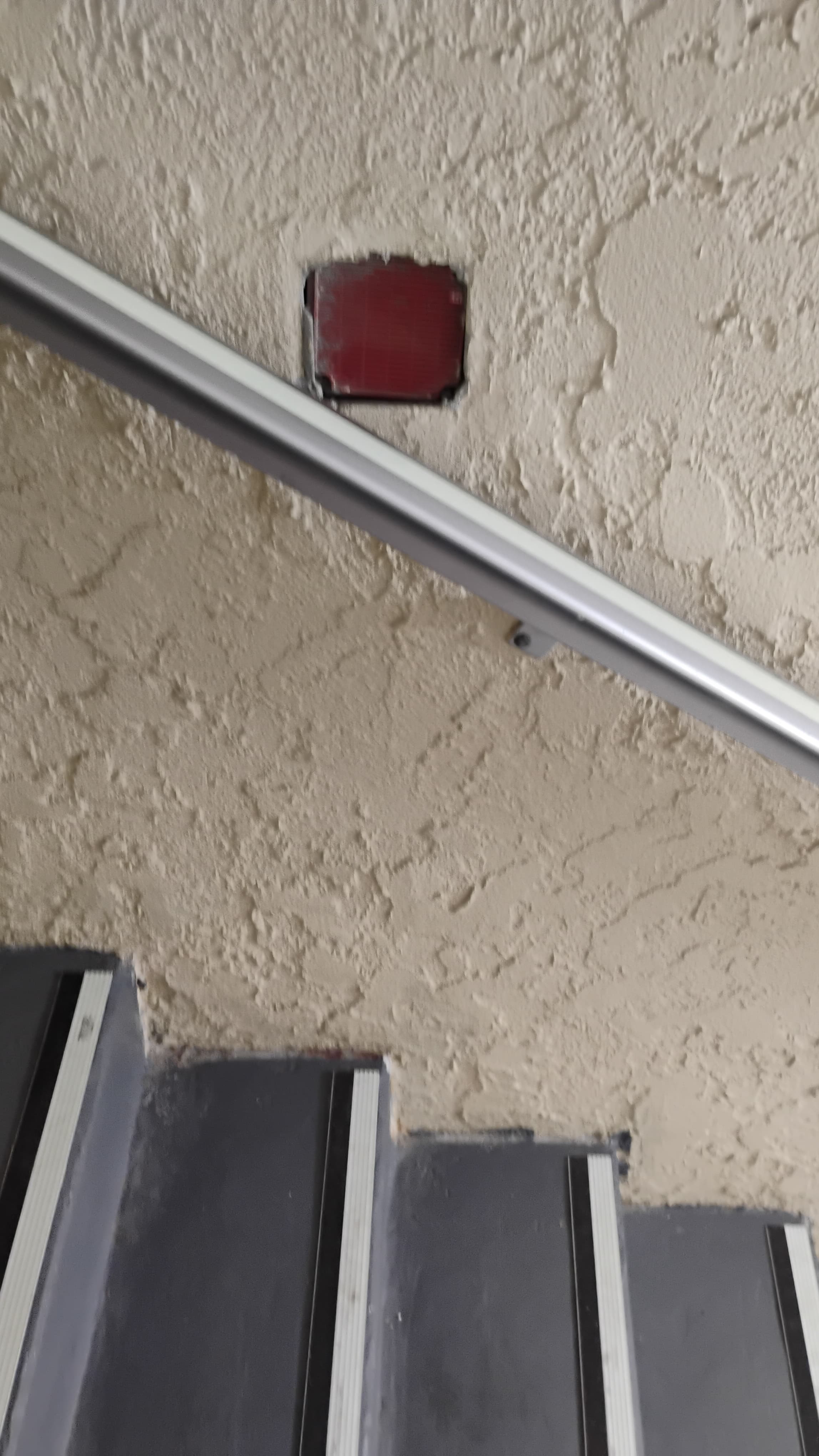
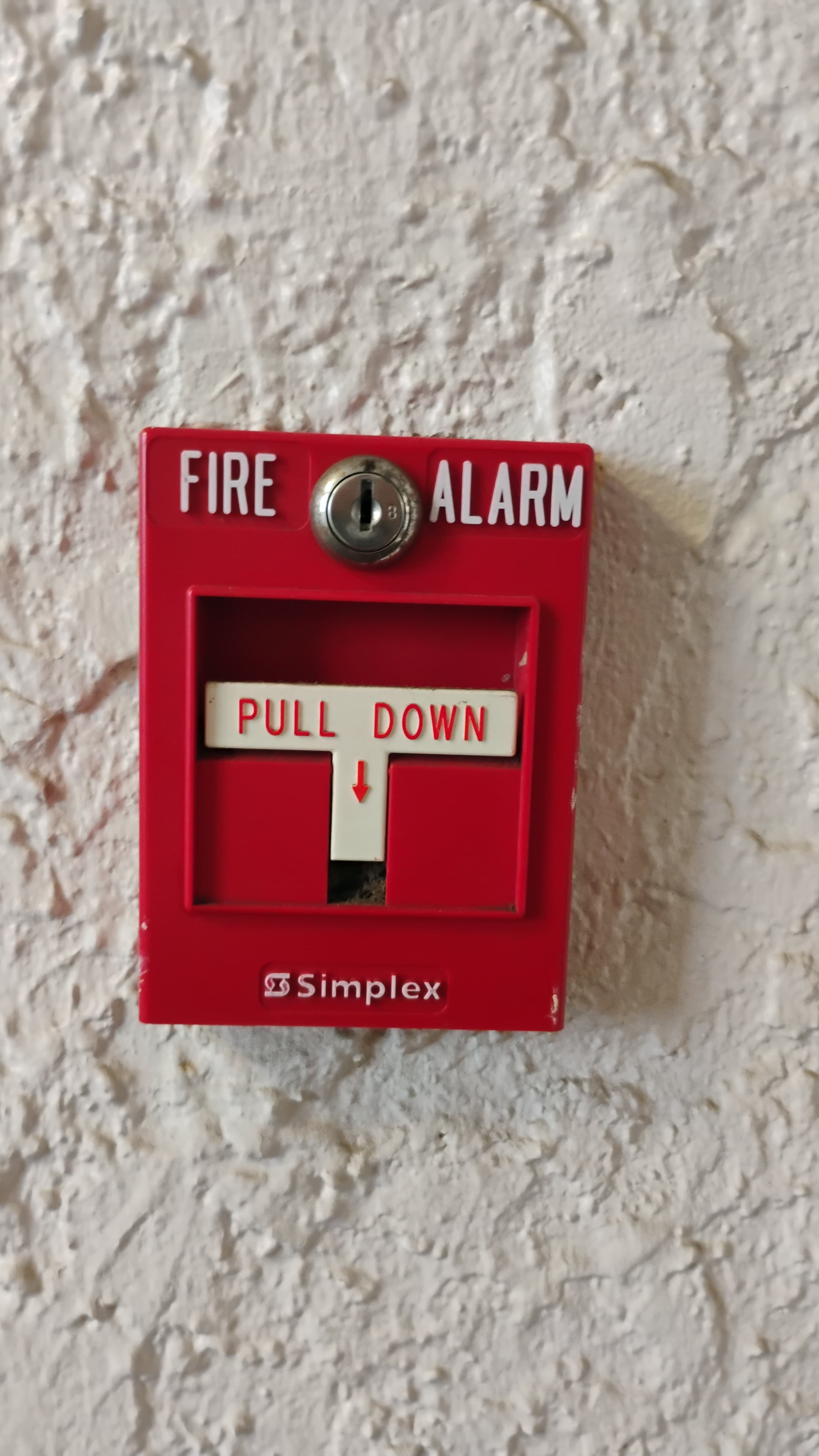
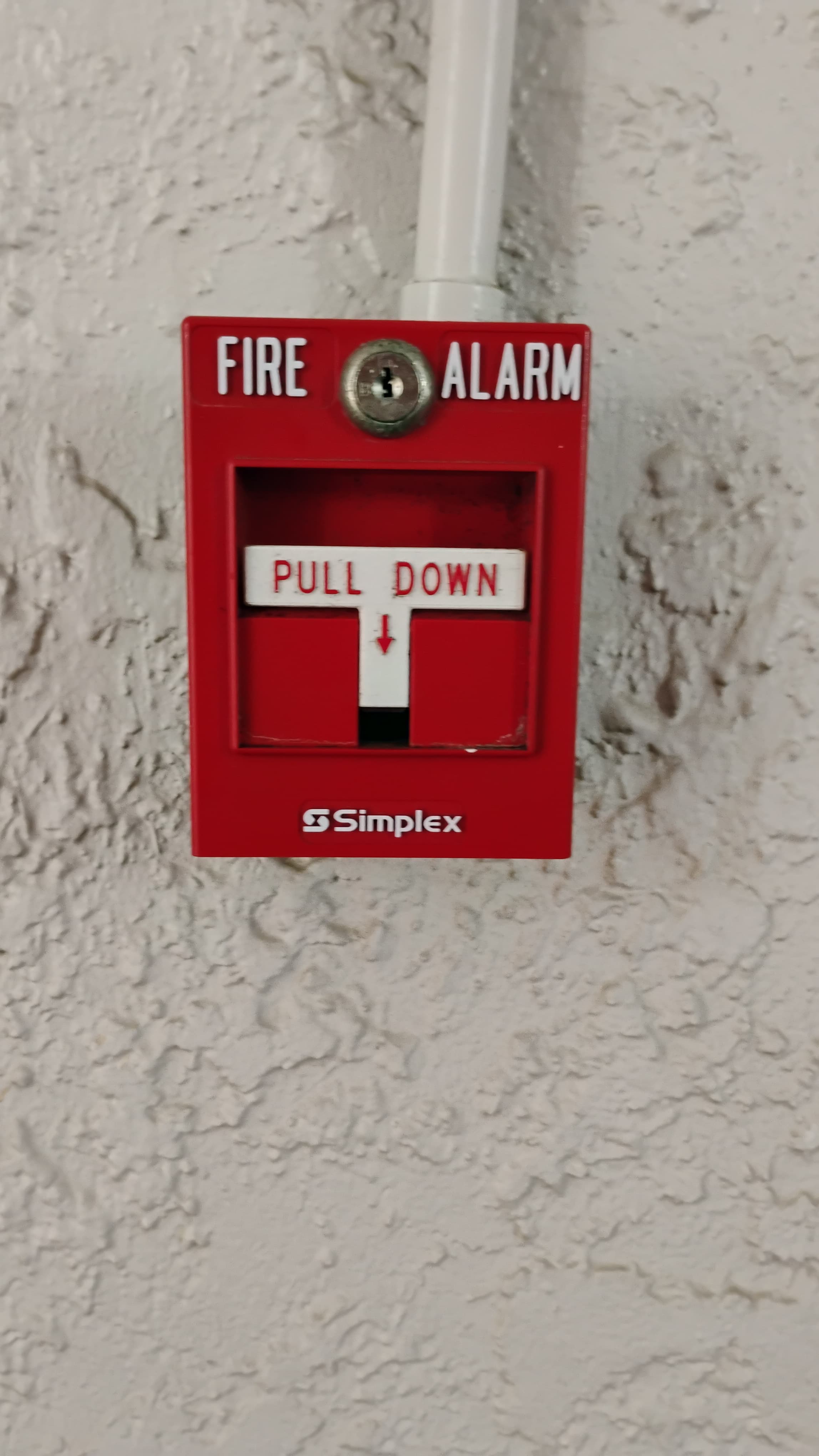
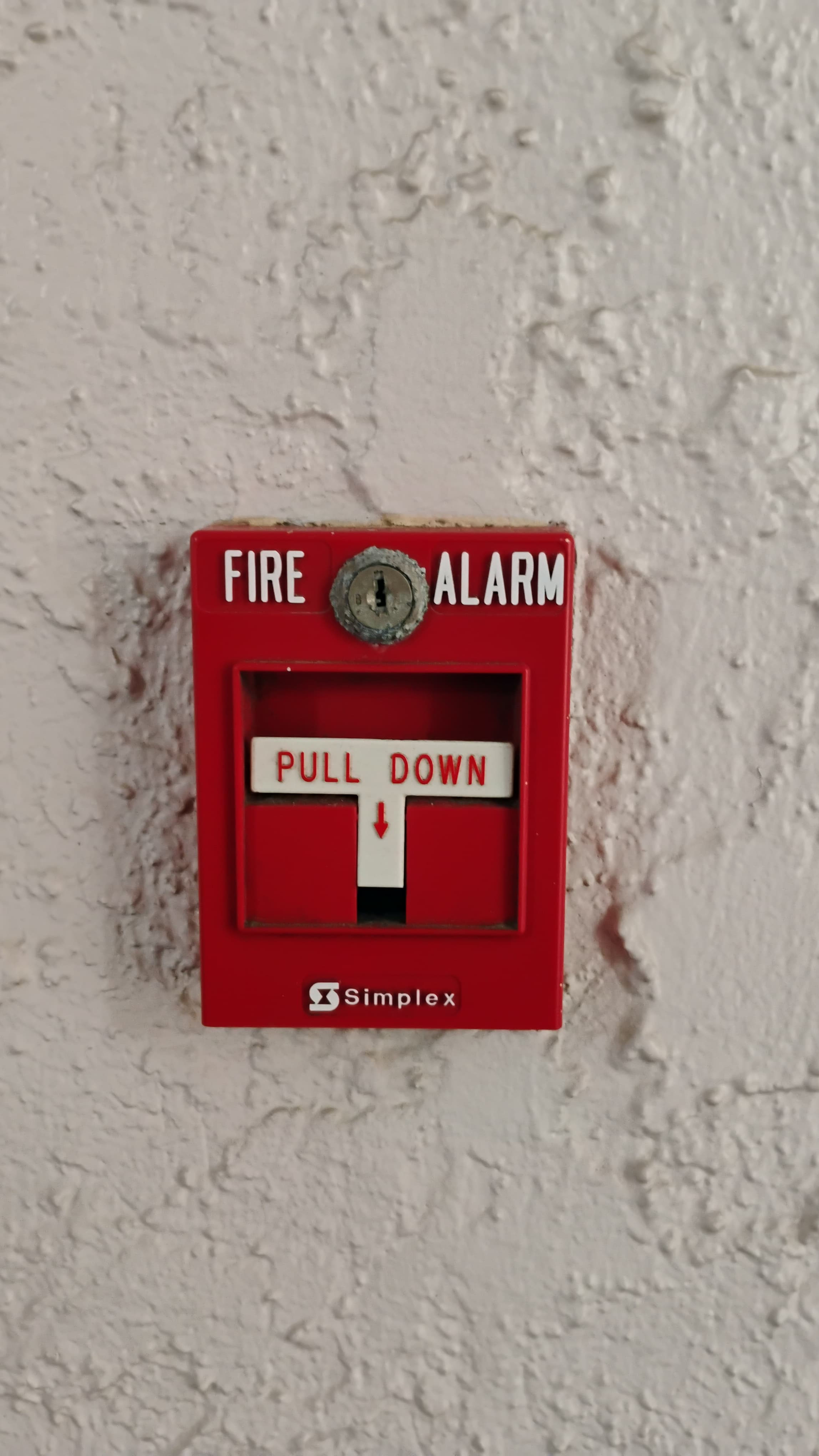
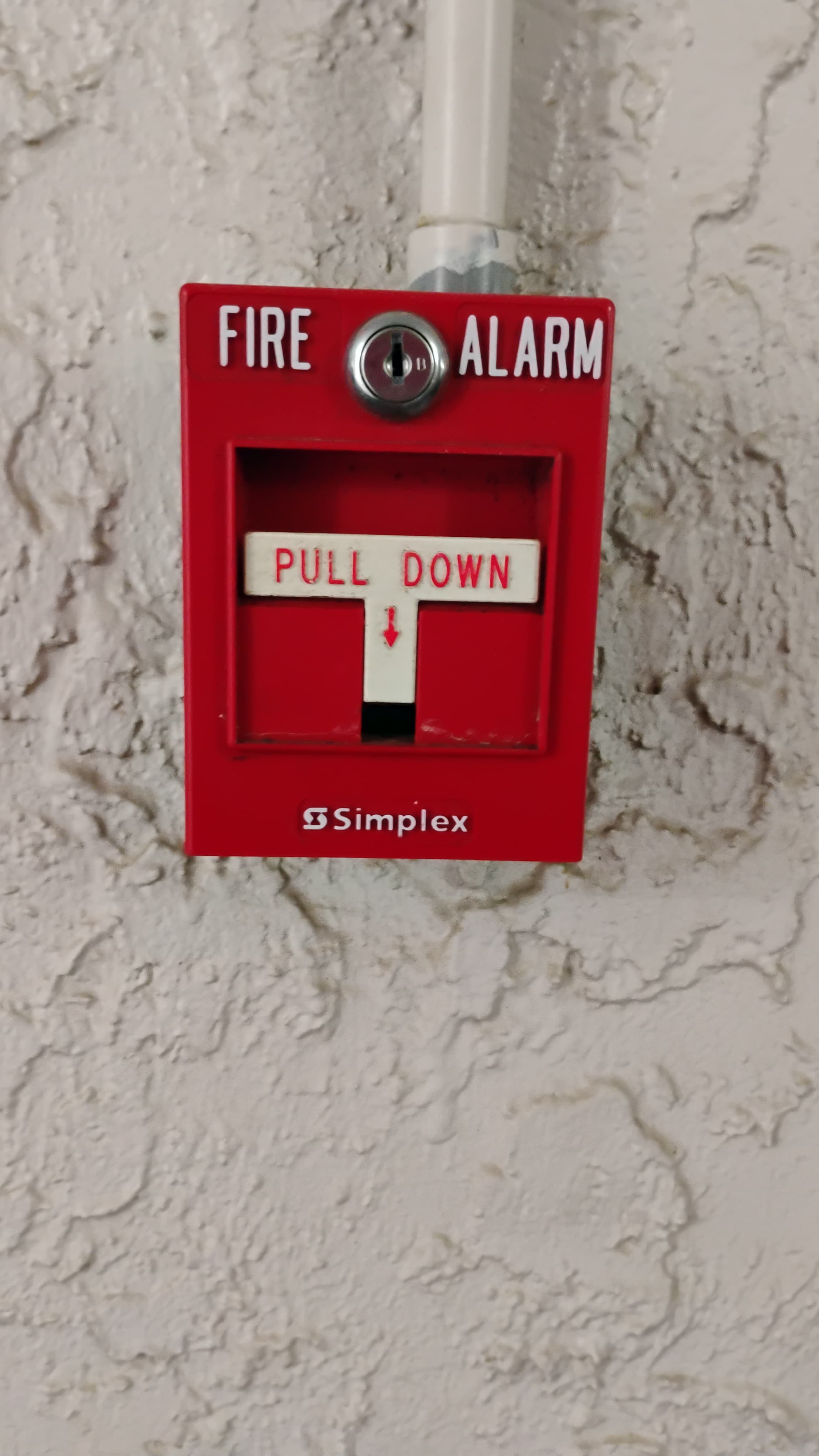
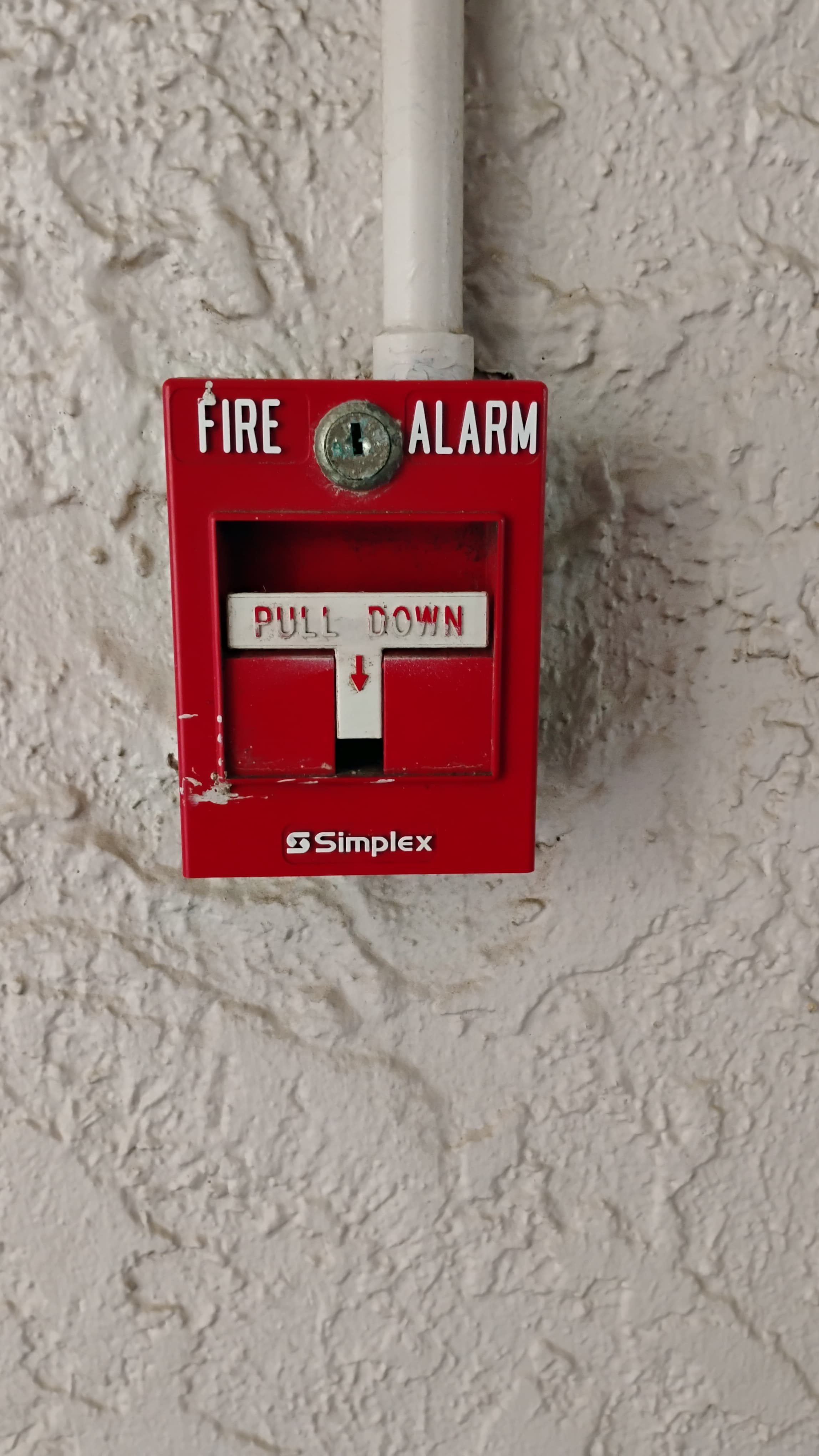
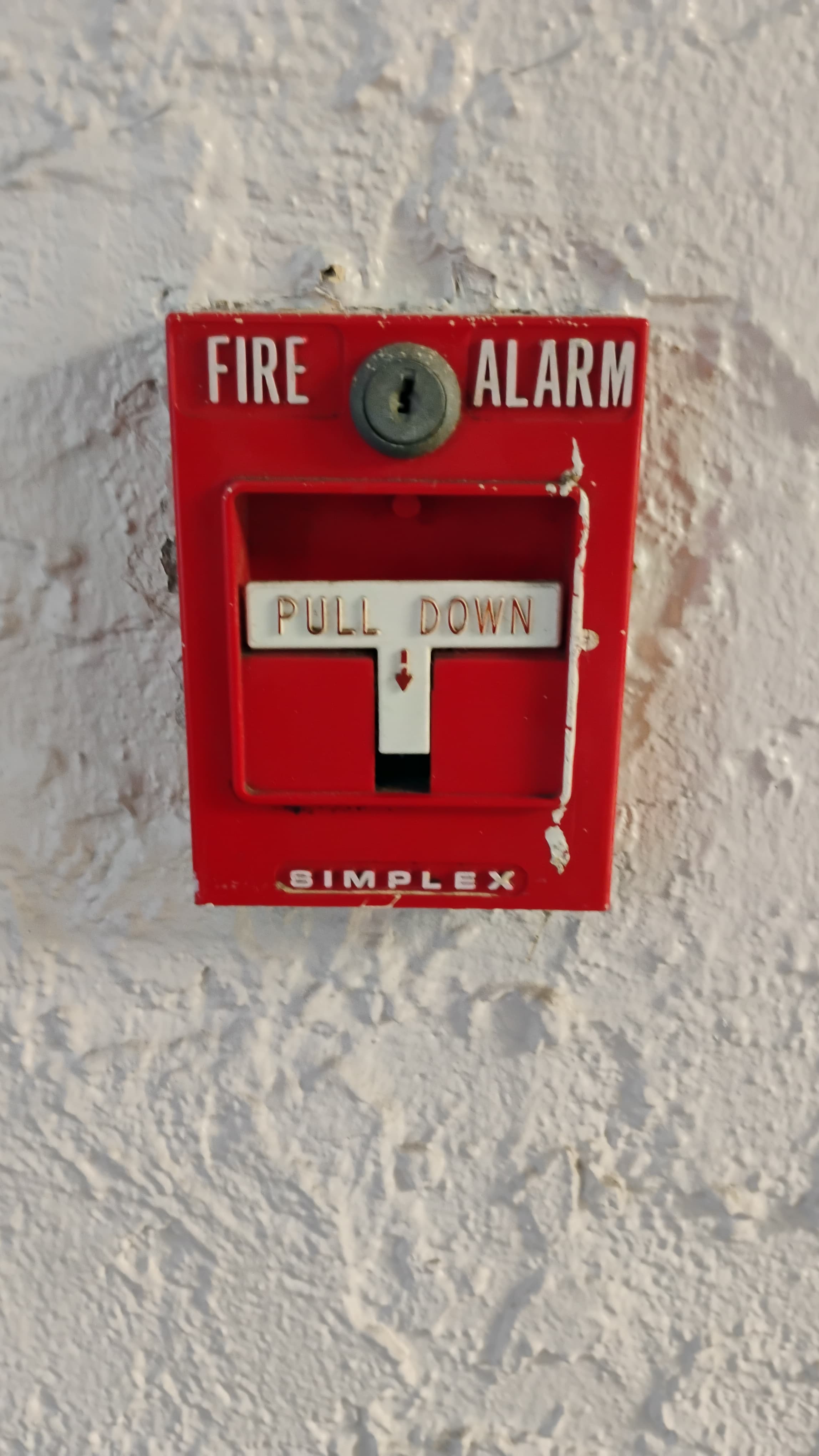
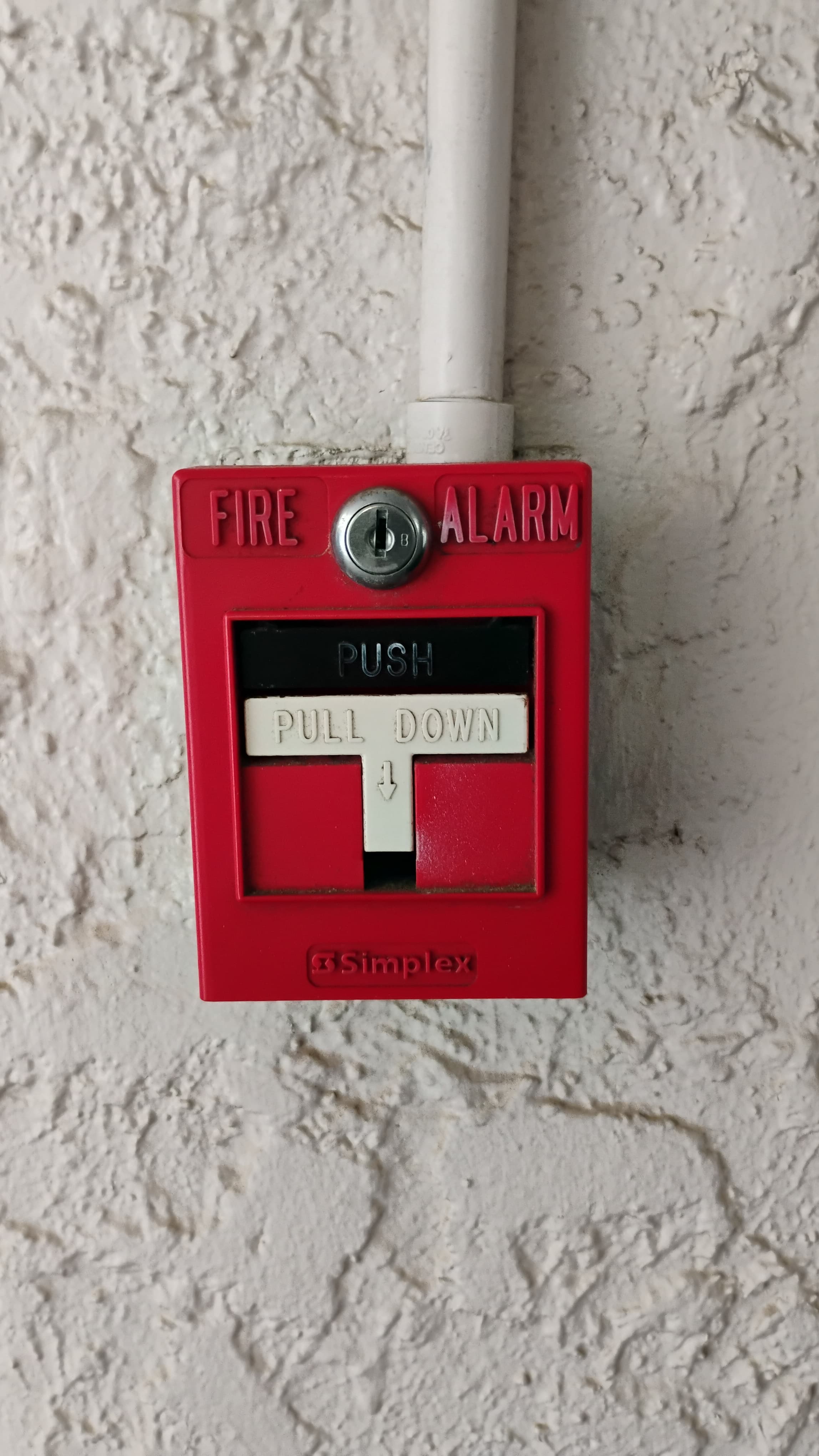
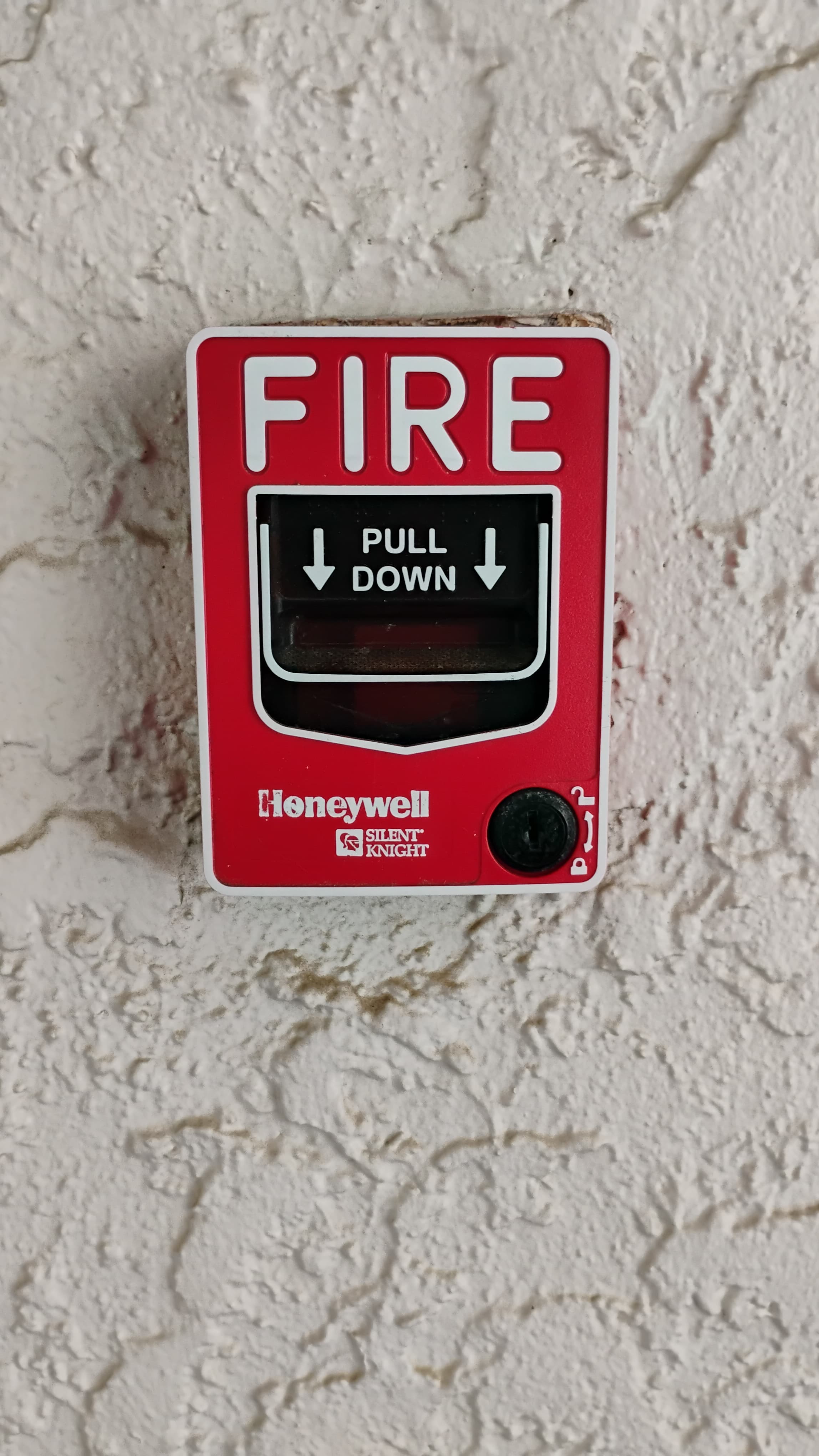
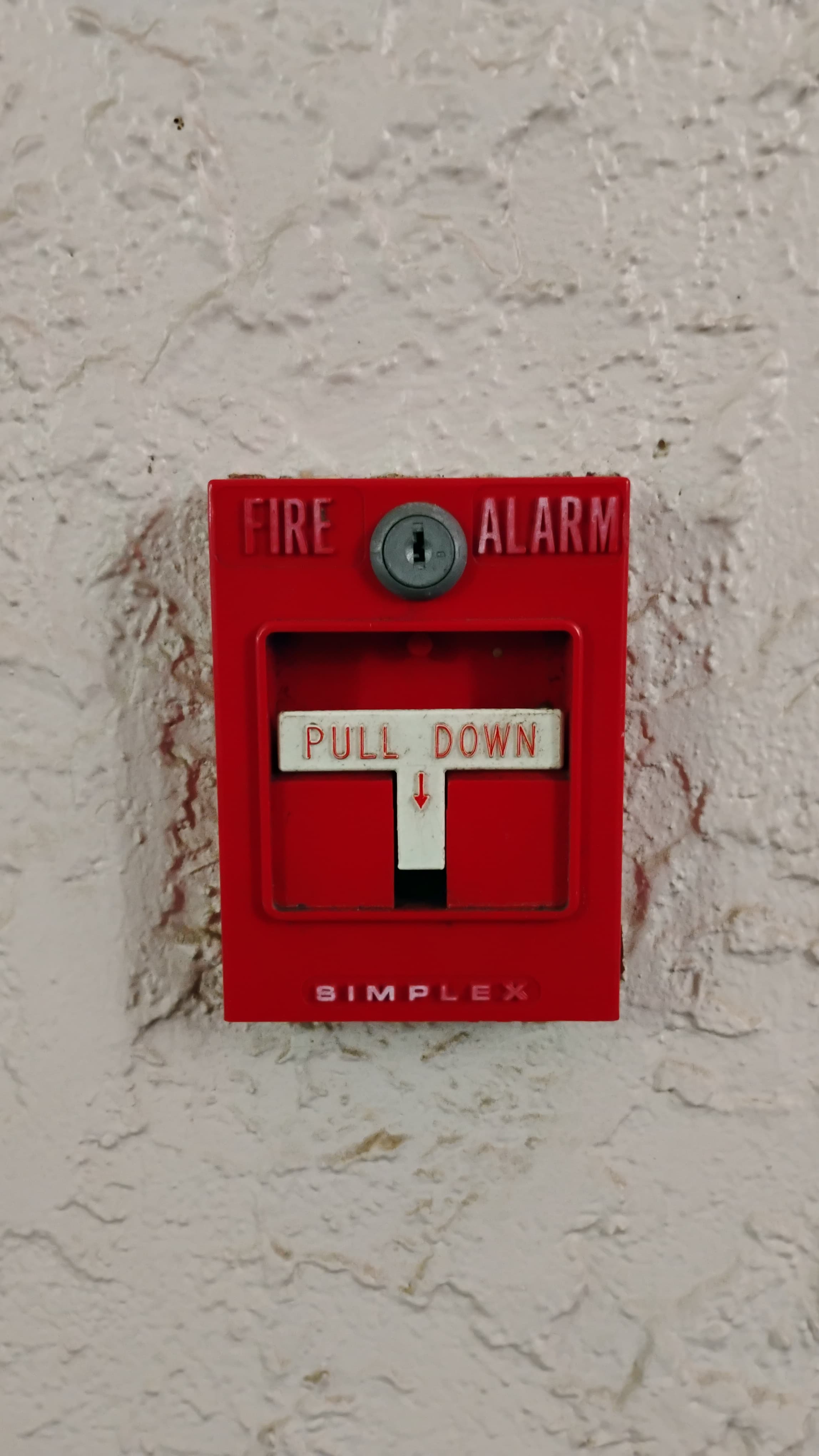
Pull Stations: Simplex 4099-9006 dual action addressable pull stations
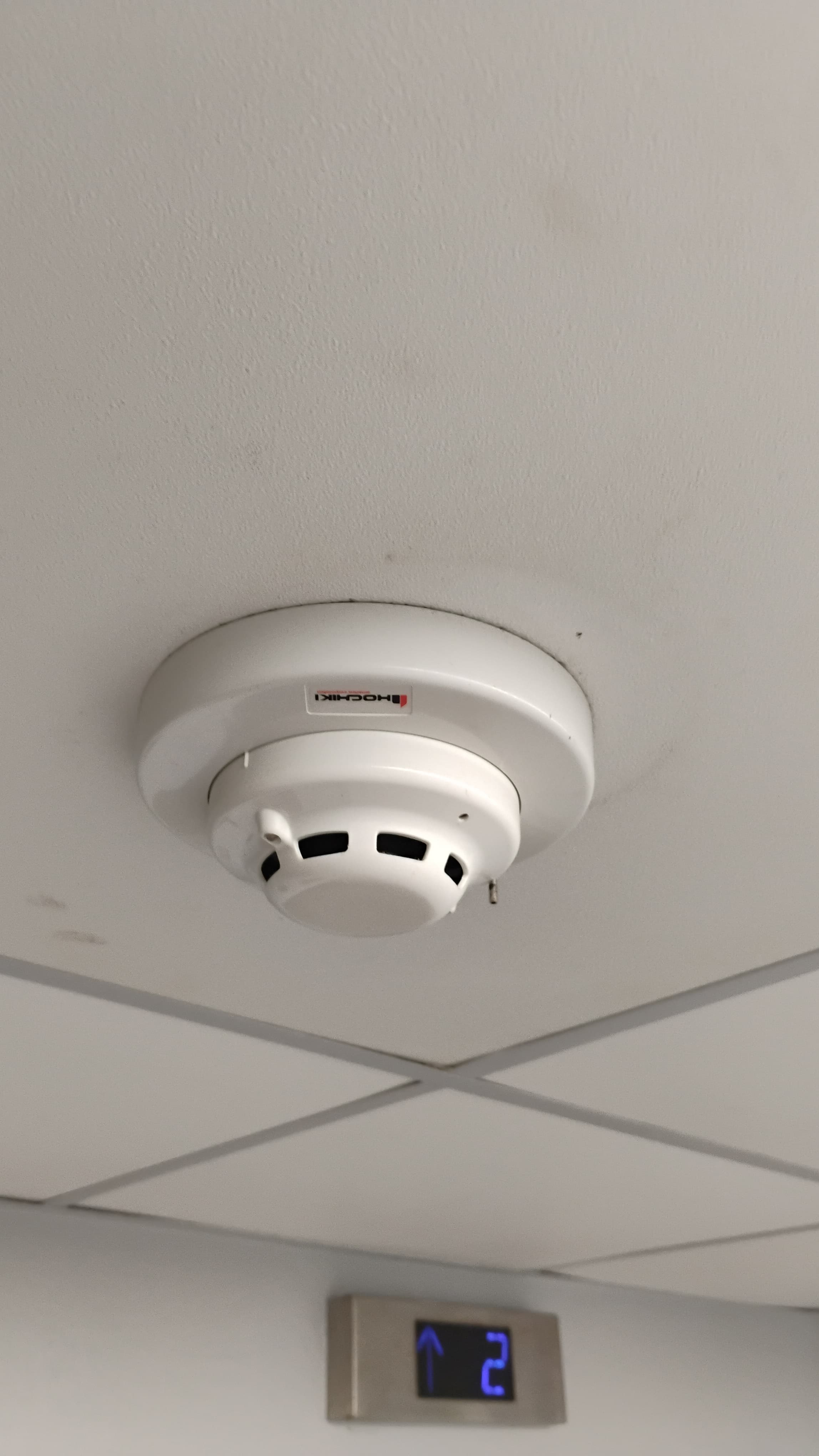
Detectors: Simplex 4098-9714 addressable TrueAlarms
Convention Center:
This building is between the Main Building/Lobby and the Emerald Tower. It contains many ballrooms, meeting rooms, and small theaters spread out over two floors.
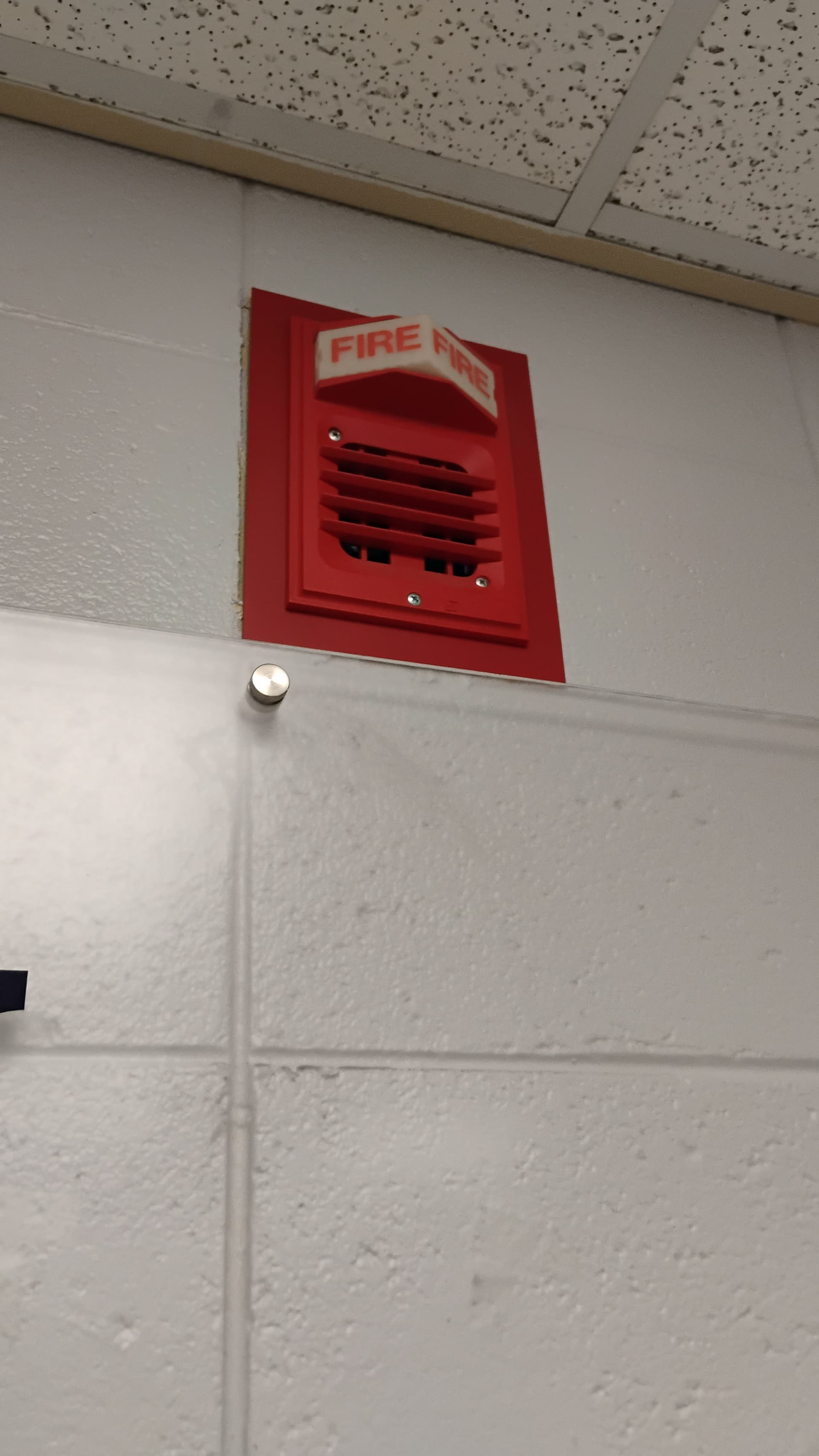
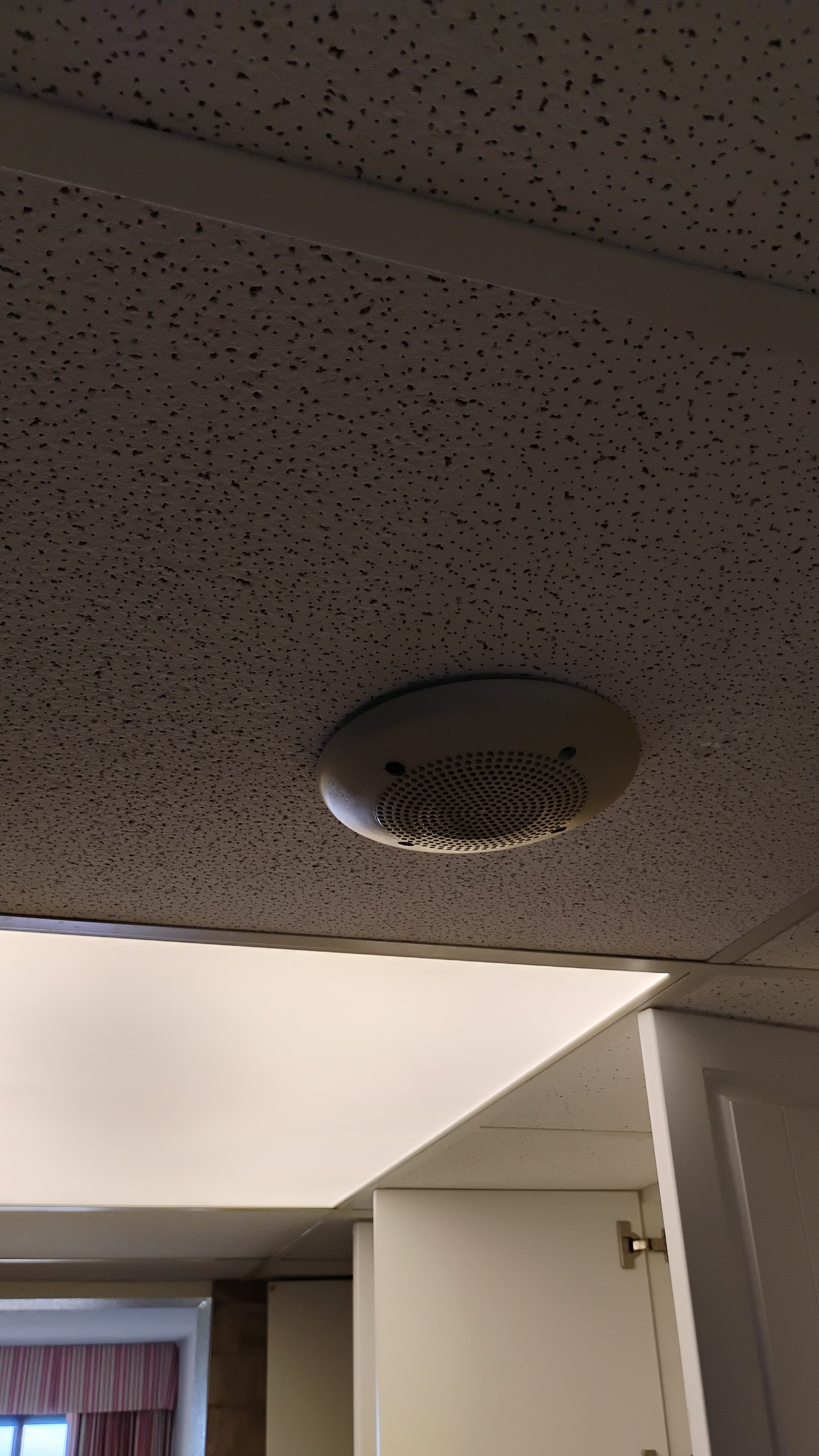
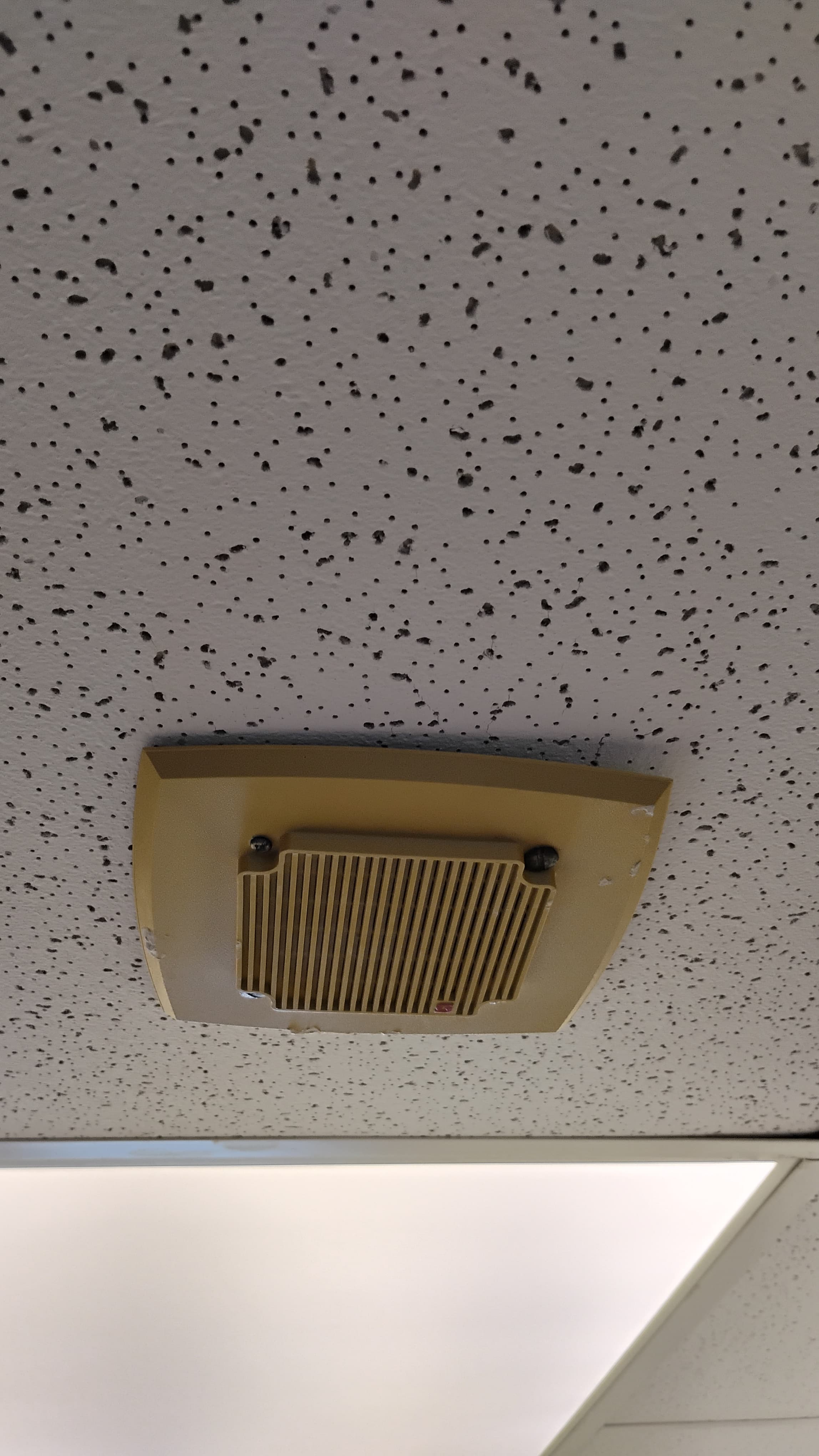
Notification Appliances: The upper level has mostly Eaton ELSPSTR speaker/strobes with one older Wheelock speaker/strobe with an SLM strobe. The lower level has mostly Wheelock E90-W and E60-W remote speakers and Simplex 4902-9721 remote speakers. There are also a few Eaton ELSPSTR and Wheelock E70-24MCW-FR speaker/strobes, a few Simplex 4903 horizontal speaker/strobes, and a couple Wheelock ET70WP-24(XX)W-FR speaker/strobes outside in the covered parking area.
Pull Stations: Simplex 4099-9006 dual action addressable pull stations
Detectors: Simplex 4098-9714 addressable TrueAlarms
Spa Tower:
This is the second largest building on the property, and one of two buildings with guest rooms. It has seven floors, and is just barely under what qualifies as a high rise building.
Notification Appliances: Mostly Wheelock AS-24(XX)W-FR horn/strobes, with a few anomalies such as an RSSWP-24(XX)W-FR, an MT-24(XX)W-FR, and a Simplex TrueAlert red wall mount horn/strobe in a restaurant in the outdoor pool area that is connected to the Spa Tower. I wasn’t in the guest rooms in this building, but I would guess that they probably have mini horns or sounder bases if they have addressable detectors in the rooms.
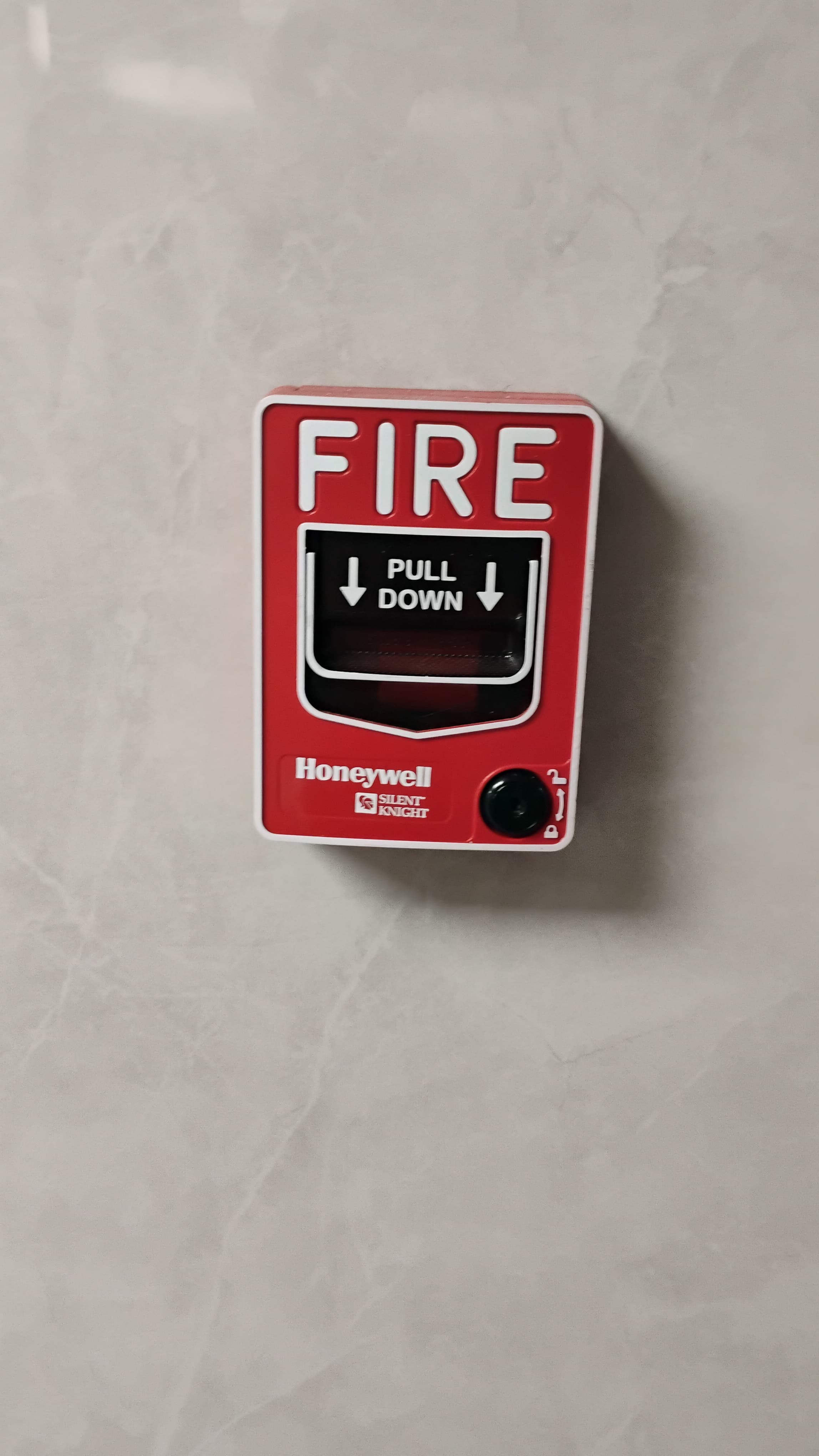
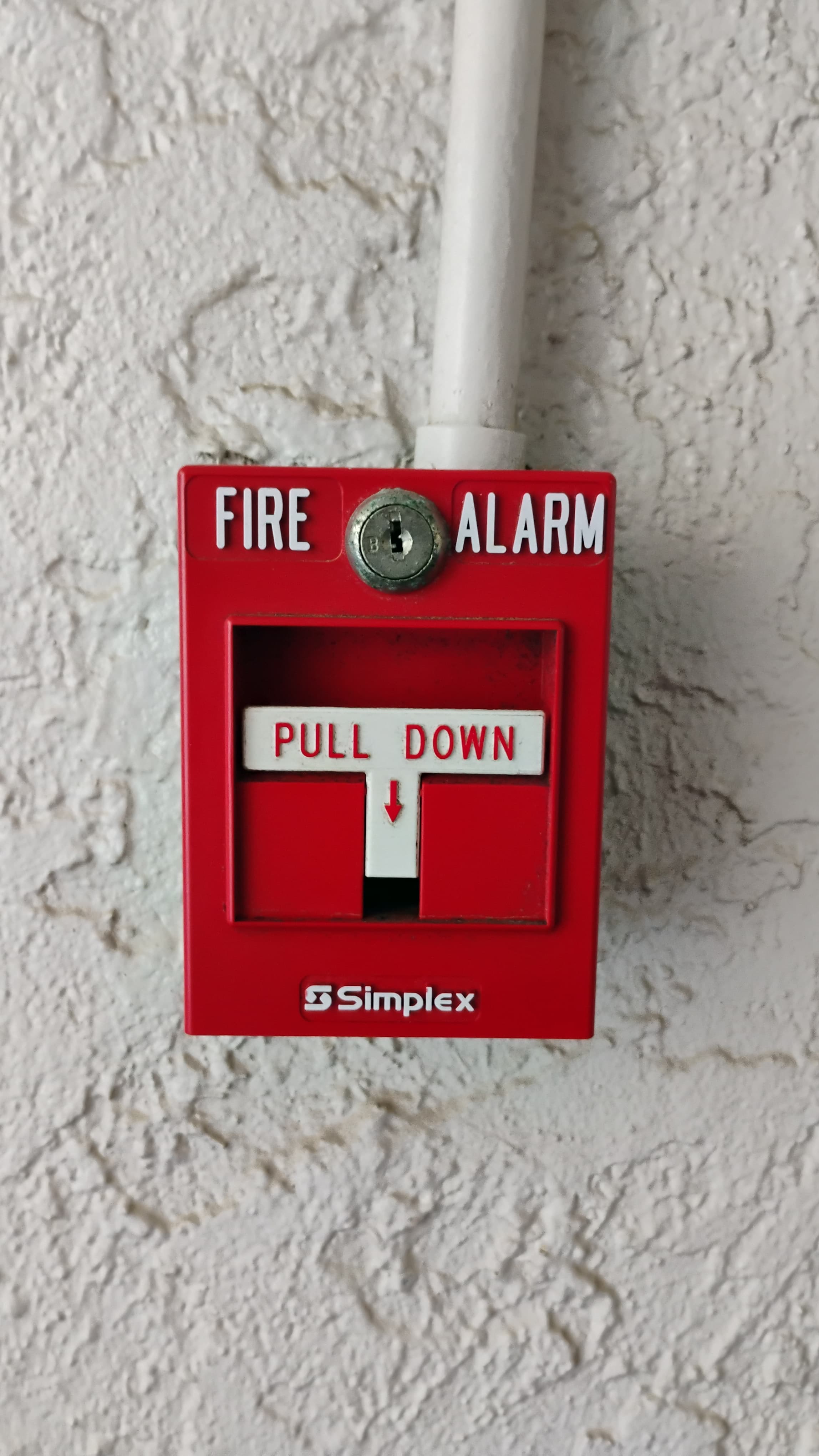
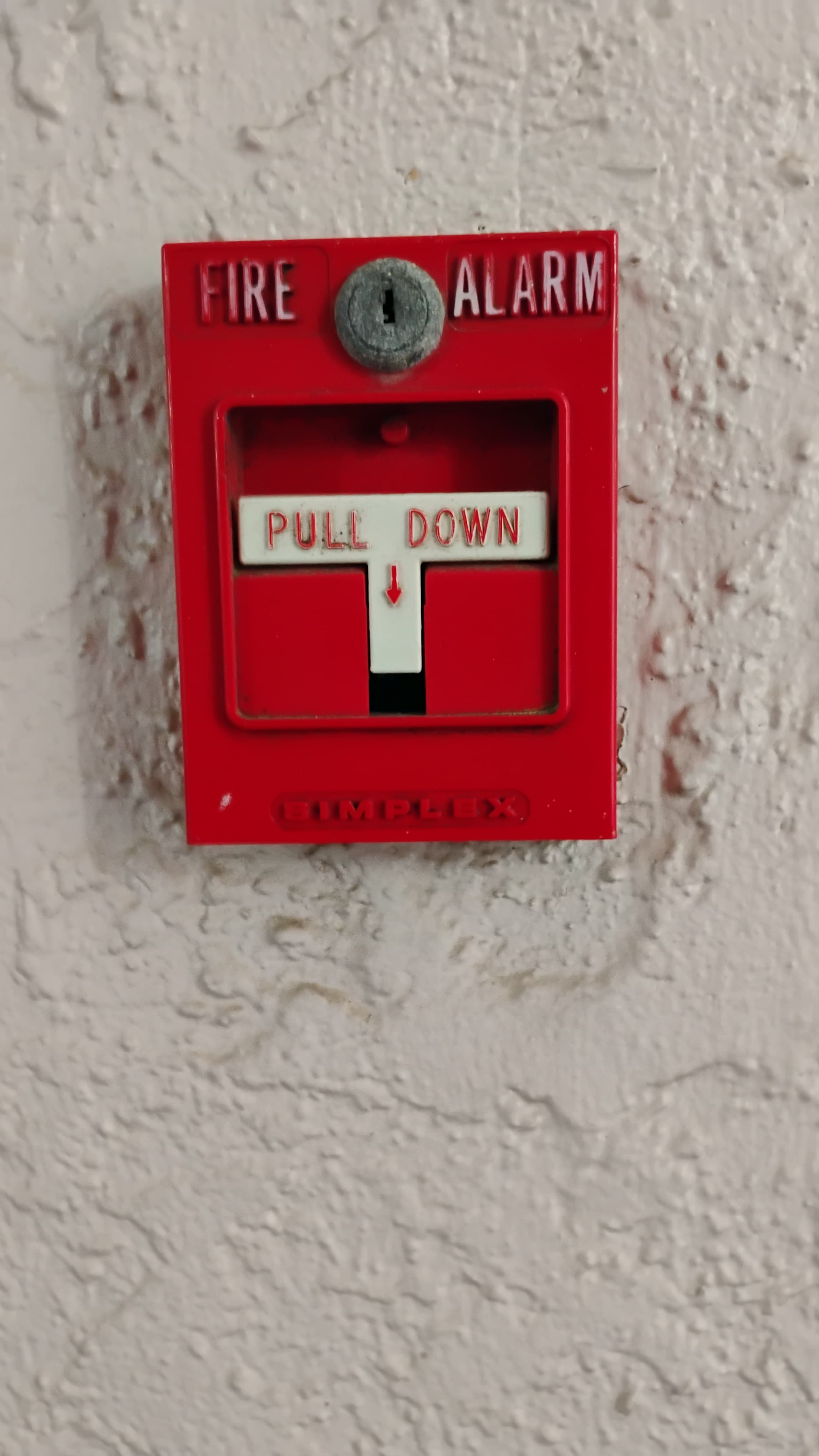
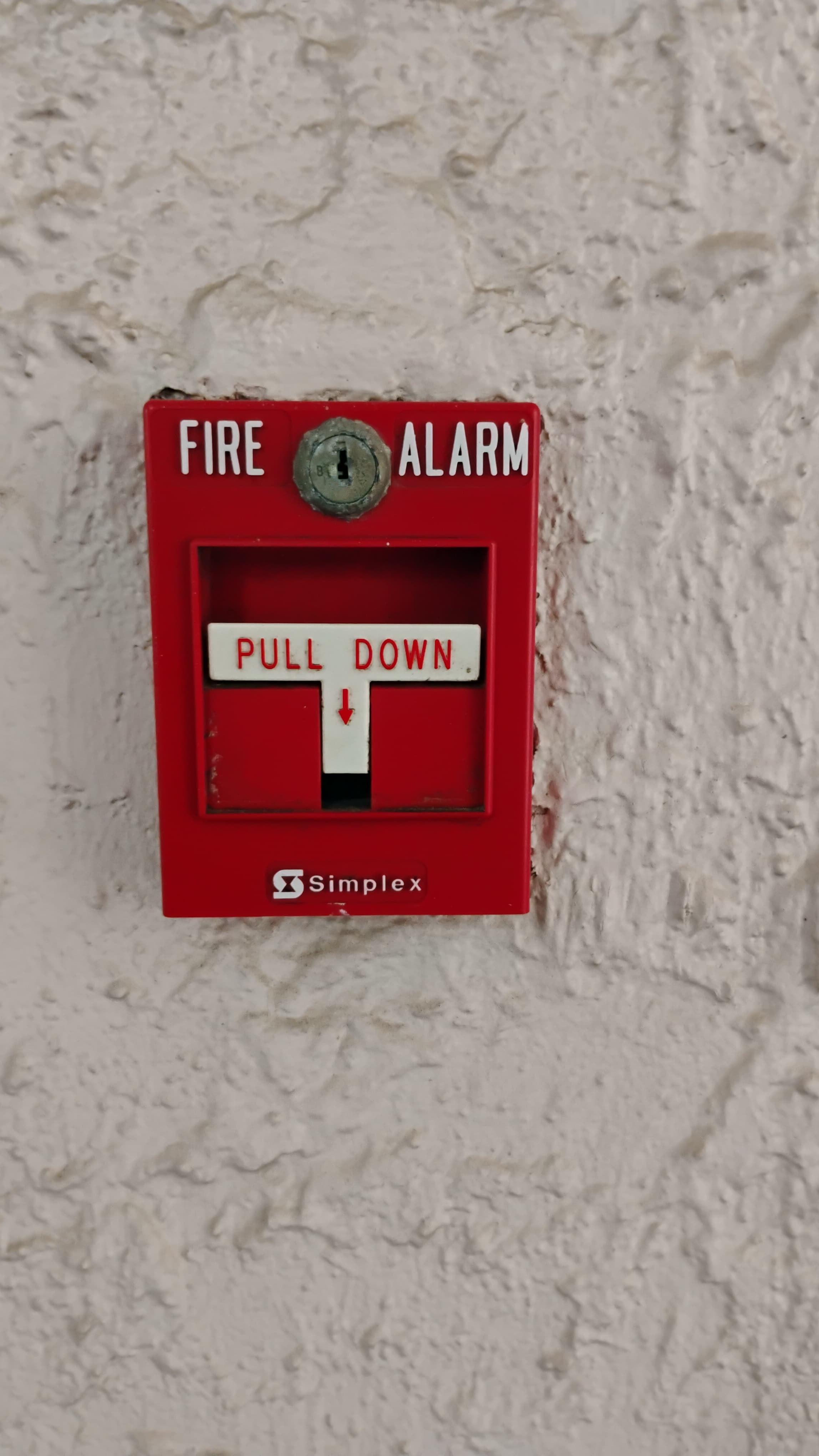
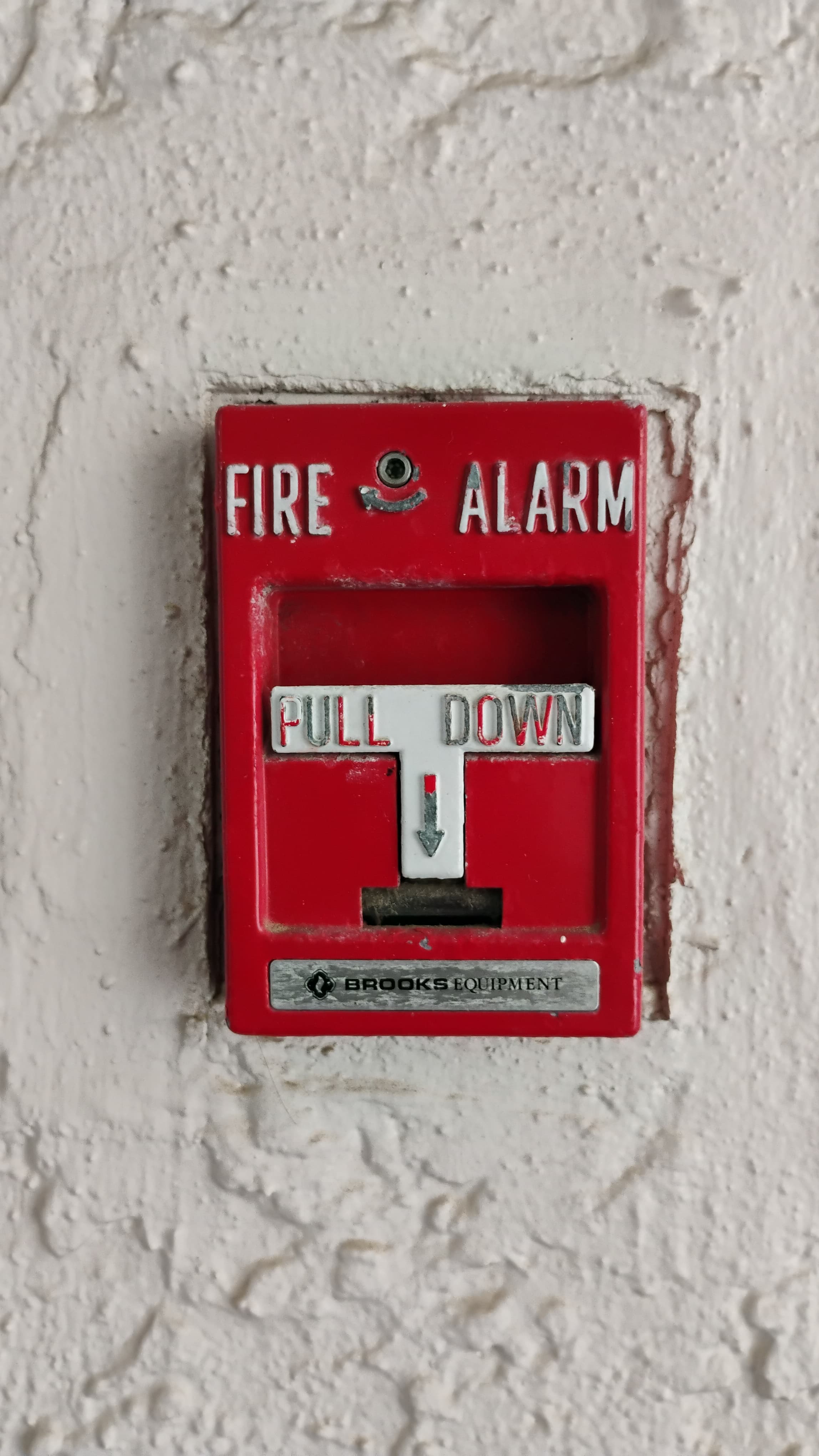
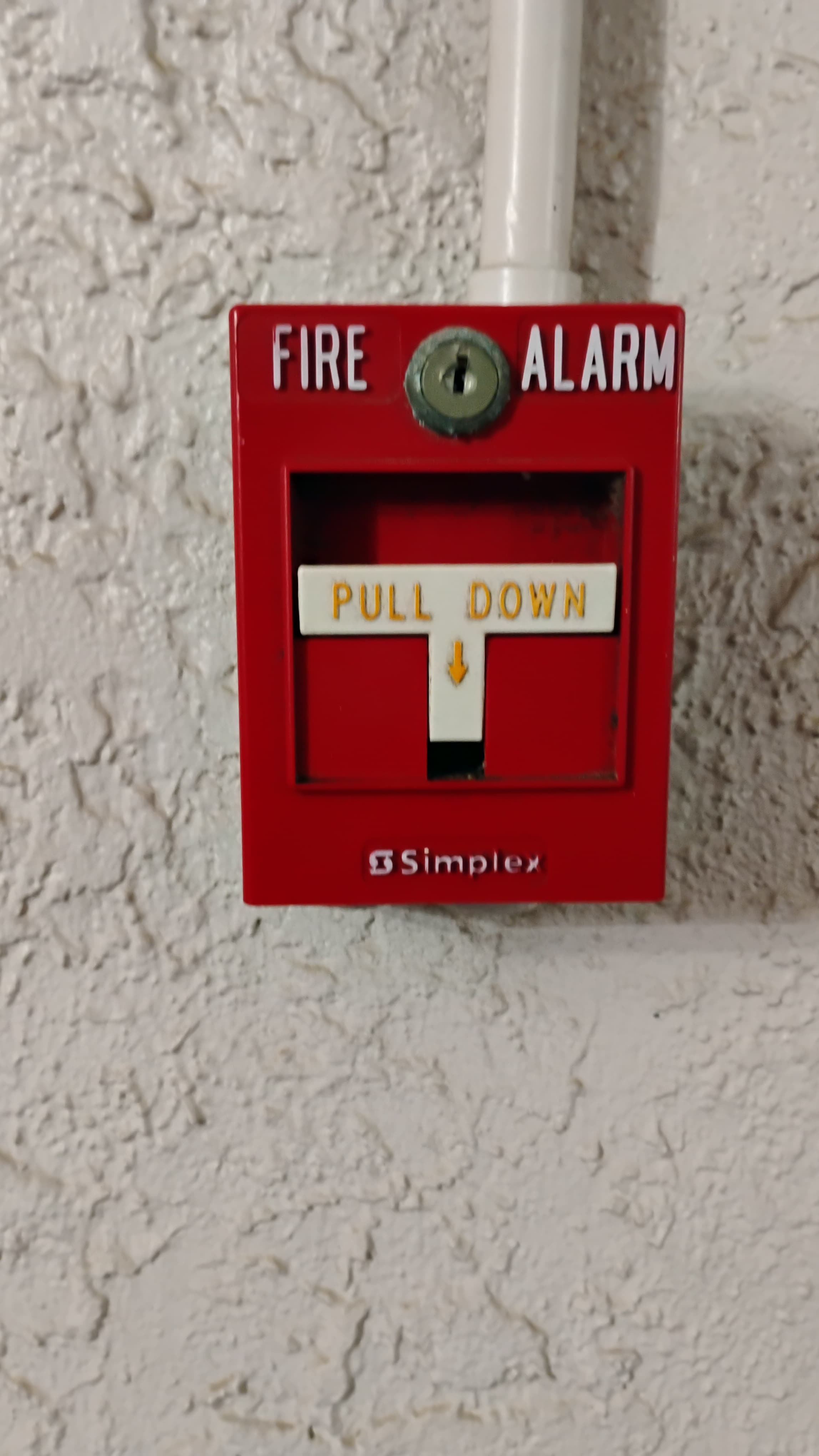
Pull Stations: Simplex 4099-9001 single action addressable pull stations
Detectors: Simplex 4098-9714 addressable TrueAlarms
Fail:
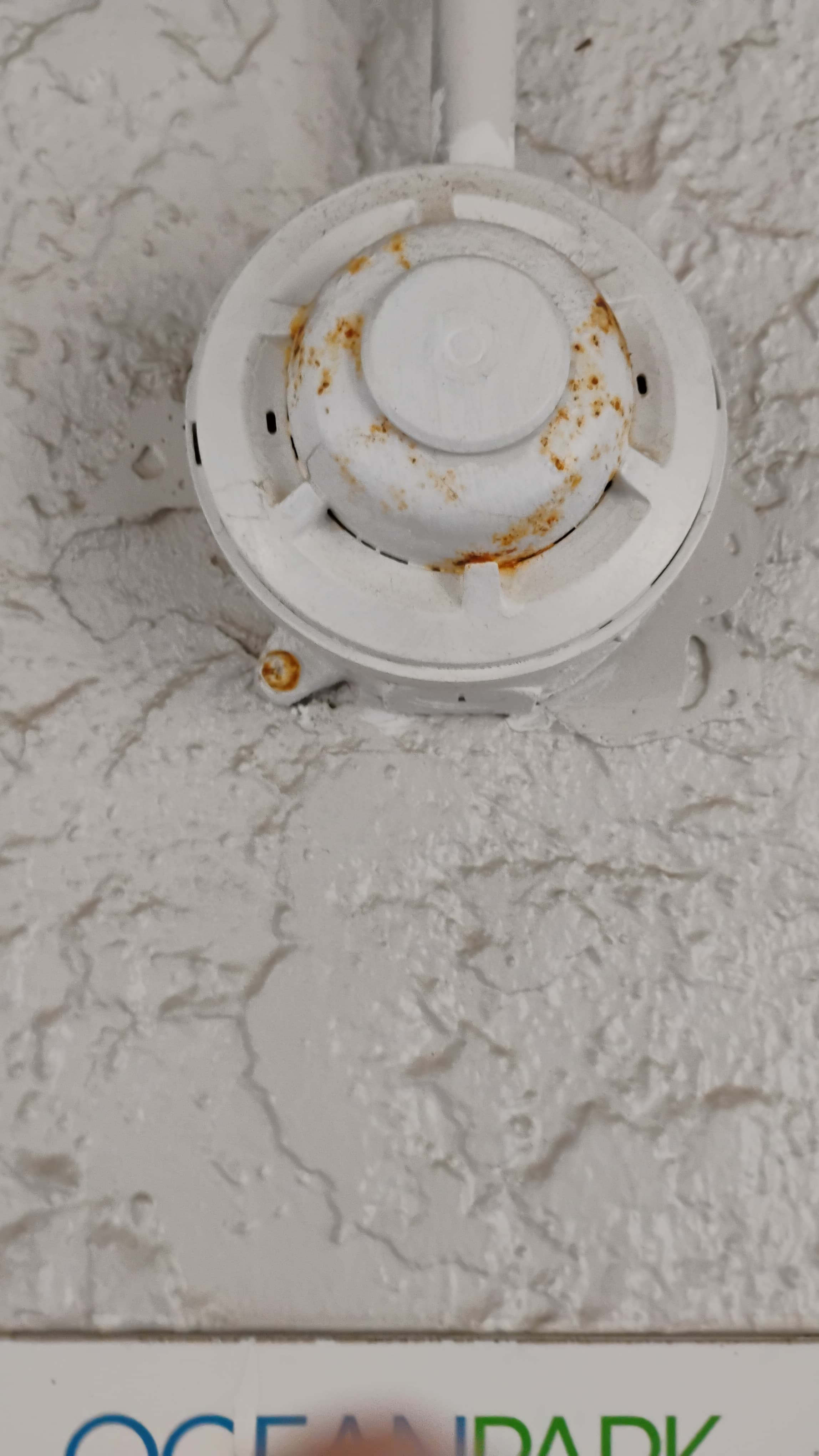
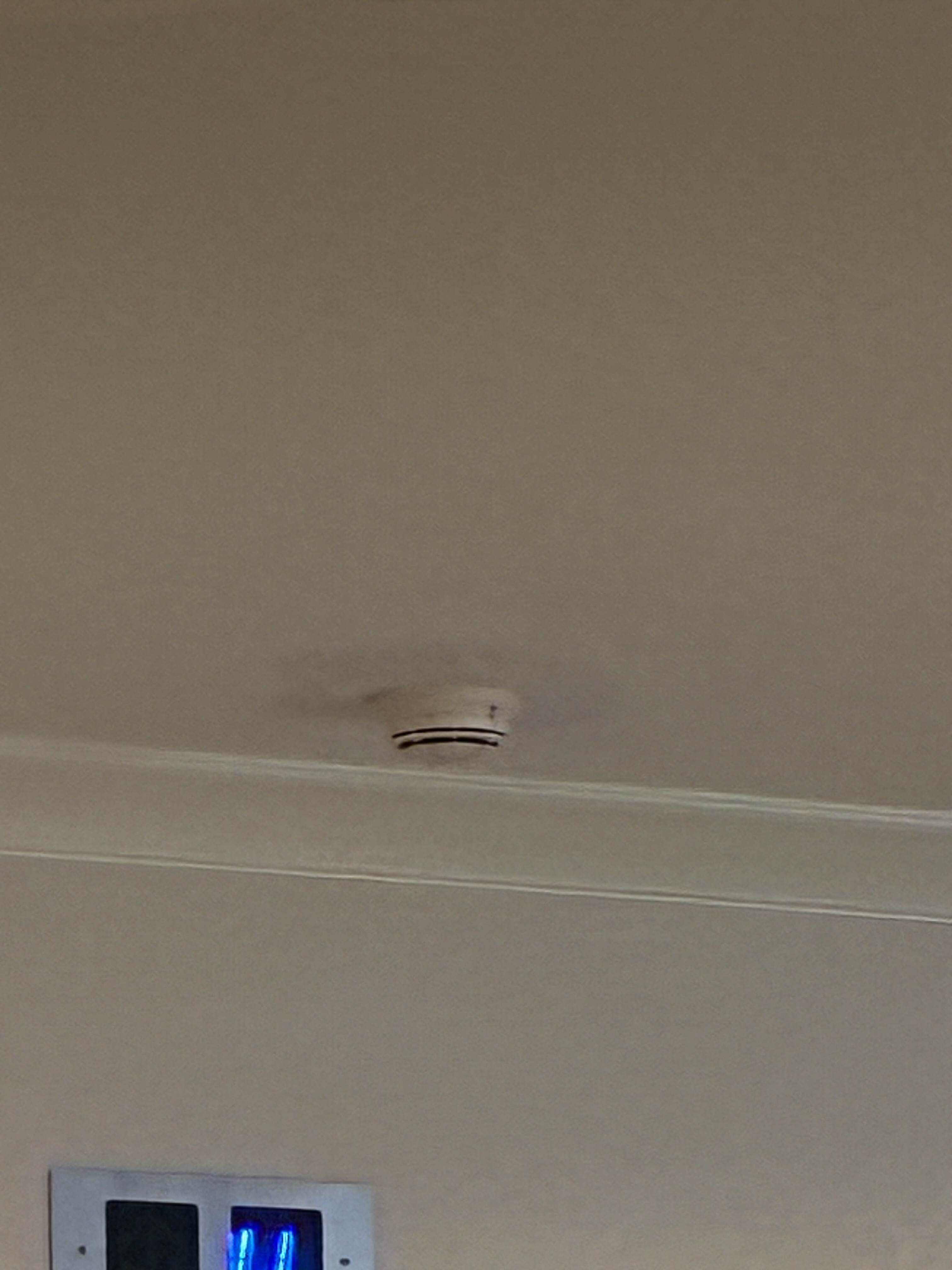
I saw this while walking around. This was in the lower level, which is almost a basement. Apparently, water was in the ceiling (probably from the pool) and it was coming out through a detector. I think it might have shorted the SLC, as none of the detectors in that building were polling (though, I’m not sure about the pull stations as that building has the older ones that do not have LED’s). Luckily, I saw the Johnson Controls van outside the next day so I think they were probably fixing the problem and replacing the detector.
Emerald Tower:
This is by far the largest building on the property. It has 15 floors. It consists completely of guest rooms.
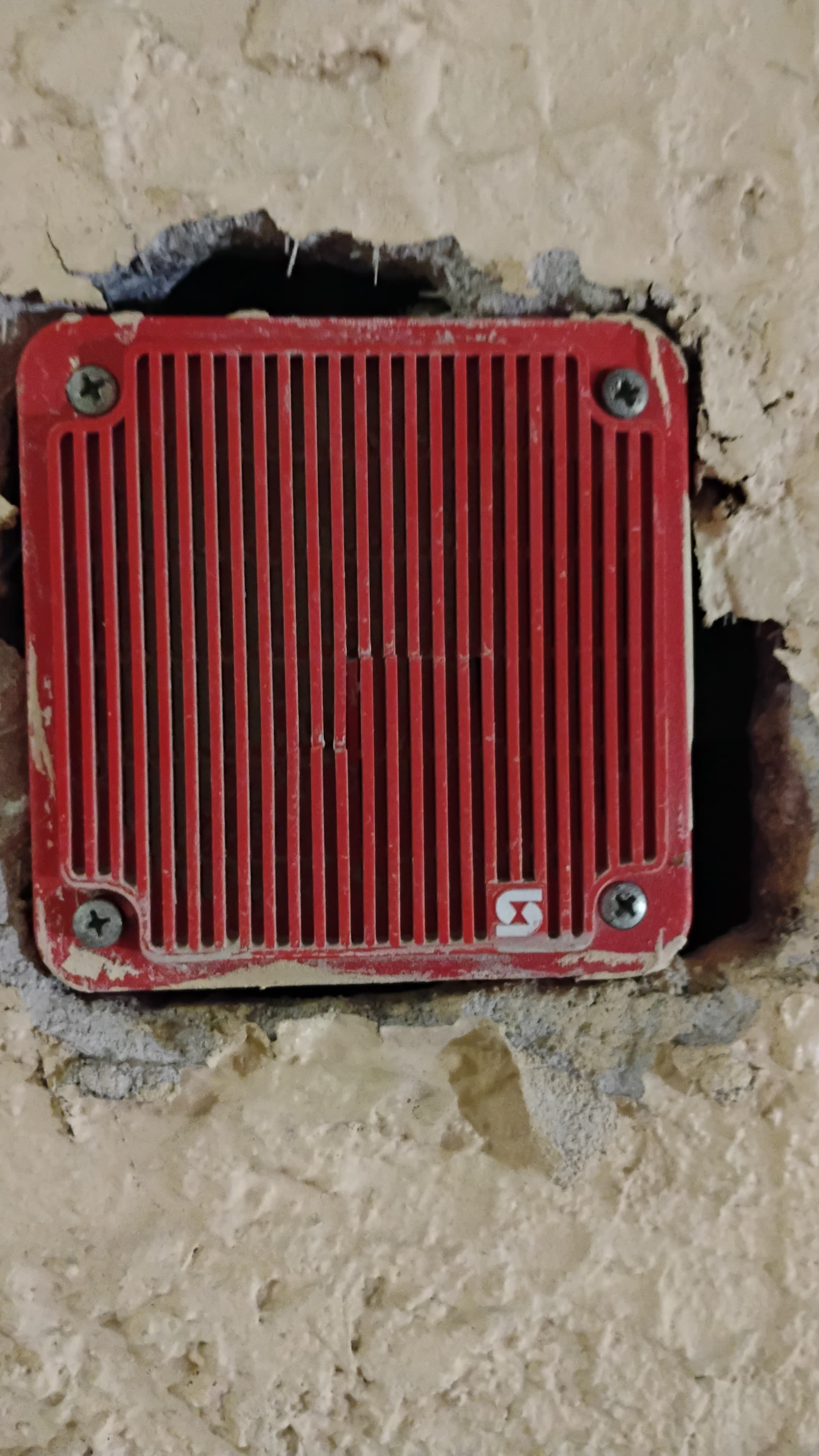
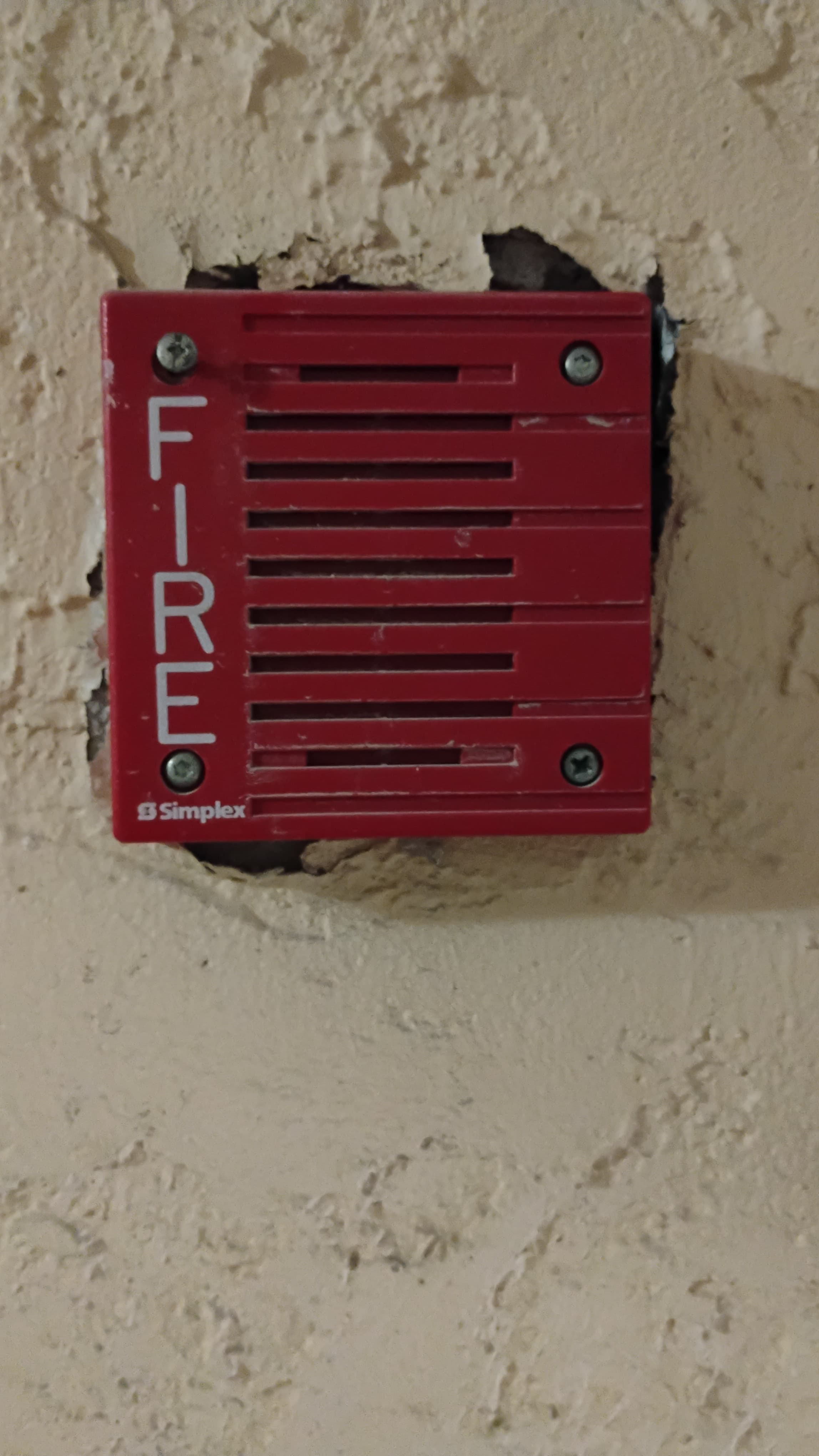
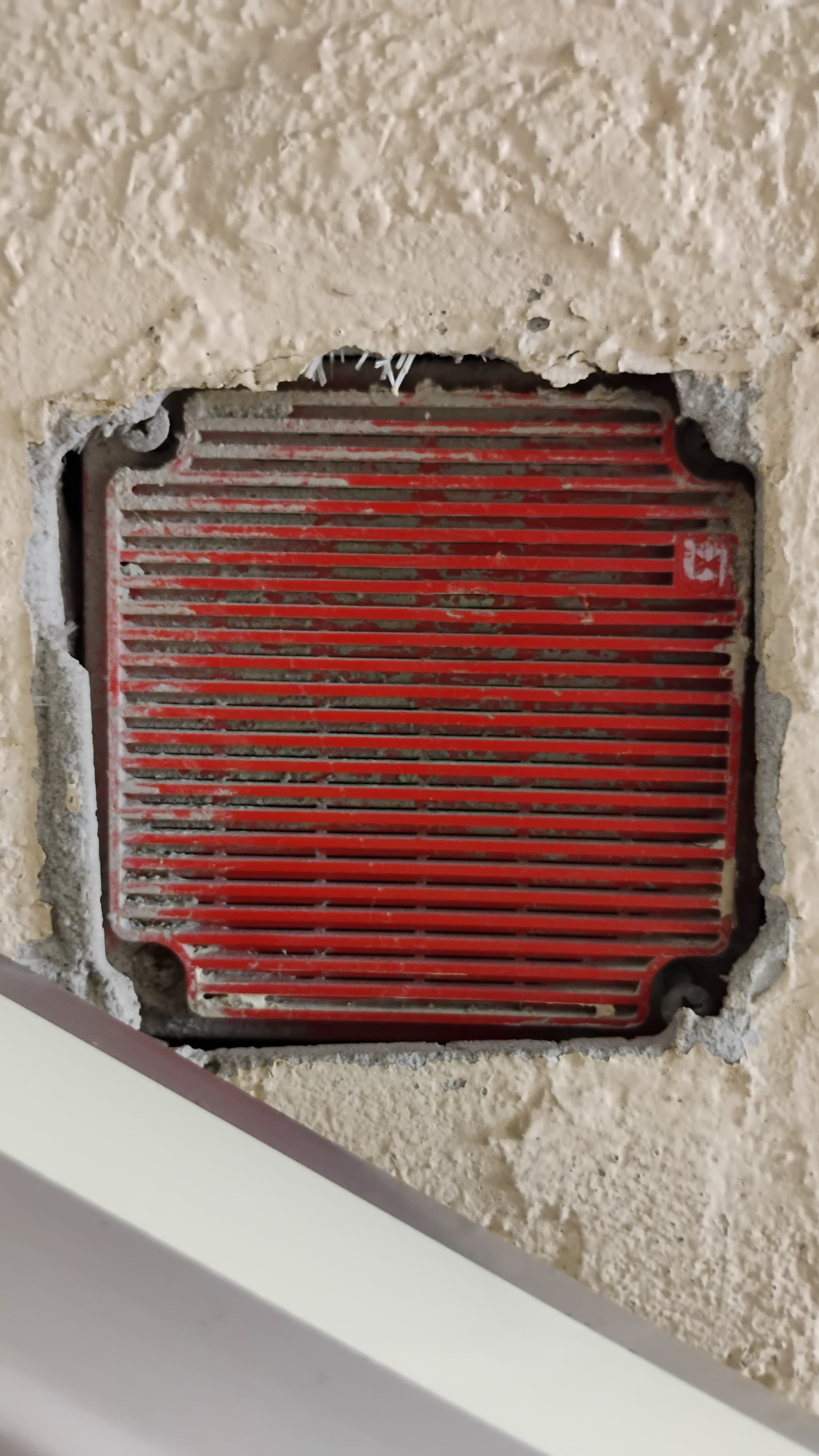
Notification Appliances: Each floor has two Federal Signal SPAF-70RHR speakers with VALS strobes on them, with one on each end of the very long hallway that turns multiple corners and sort of does a “zig-zag” through the floor. The 13th floor has Simplex 4903 horizontal speaker/strobes replacing those and the 1st floor has two Wheelock E90-W speakers at one end of the hallway and a Wheelock ET70WP-24(XX)W-FR at the other end. Along the rest of the hallways except at the ends (excluding the first floor which only has devices at the ends of the hallway) and in all of the rooms are Wheelock E60-W speakers. The elevator lobbies on each floor have Wheelock E70-24(XX)W-FR speaker/strobes.
Pull Stations: Simplex 4099-9006 dual action addressable pull stations
Detectors: Simplex 4098-9714 addressable TrueAlarms
Final Thoughts:
This place definitely has a very interesting system with a lot of very interesting history. Based on what it looks like, I think they probably started out with an Autocall/Federal Signal voice evac system in the 80’s. Then in the late 90’s they likely got a Simplex 4100+/4120 system but kept most of the old devices. In the early 2000’s the Spa Tower was probably built, expanding that Simplex system and possibly upgrading to a 4100U. Recently (in the past 10 years or so), they have replaced all of the old conventional initiation devices with new Simplex addressable devices. They have also been replacing old notification appliances with new Wheelock/Eaton ones as they fail or when they renovate an area.
Interestingly, this place has quite a lack of strobes. I would say around 75% of the devices are remote speakers. For examples, many hallways, restaurants, and bathrooms have only remote speakers. I would say that the only areas that meet ADA standards for strobe coverage are the Spa Tower and the upper level of the convention center.
Despite being a huge complex, it has relatively few addressable devices because it is fully sprinklered so the only smoke detectors are in the elevator lobbies, and all of the guest rooms just have 120V smoke alarms. In fact, this place has so few points that I would say the entire complex could be handled by a single 4017ES panel if it was built today.