Smoke alarms are just plastic with some electronics, no clue why y’all all fuckin excited over them
True, but nobody expected to find that either. Although, to be fair, I’ve seen rarer things too, like those one EICO detectors.
Here goes the FA side of the community s**ting all over the smoke alarm community. This is exactly why my Discord server joins both communities. I never knew why the FA side of the community hates the Smoke Alarm community, probably because of the simplicity of smoke alarms. But regardless, please do respect our opinions, because I’m into smoke alarms in addition to fire alarms myself.
1 Like
Yeah.
Well so are most life safety devices but I don’t see you saying anything about them!
Yeah.
Yeah, tired of seeing the occasional Reddit comment about that: leave us alone will you? We don’t mock your “side” of the community do we? (even though if you ask me they should not be considered separate as they’re technically all part of the same subject matter, which is life safety) They may be much simplier as well as of course different, but I’d say they still have a place in this community & that they’re still cool to collect, study, document, & preserve (especially for history’s sake, since if we didn’t who else would?), & given I consider myself an “equal-opportunity” sort of person when it comes to them I’m fine with both residential smoke detectors (which is my preferred term for them since they’re just another kind of smoke detector when it comes down to it) as well as other kinds of life safety devices (including the commercial/“fire” ones).
2 Likes
Here’s another detector that I got in the mail, an ATSE SO2.
I already have this detector’s ionization version (SO12) but the Photoelectric version is extremely rare so when I saw this on the local classifieds I immediately jumped to buy it.
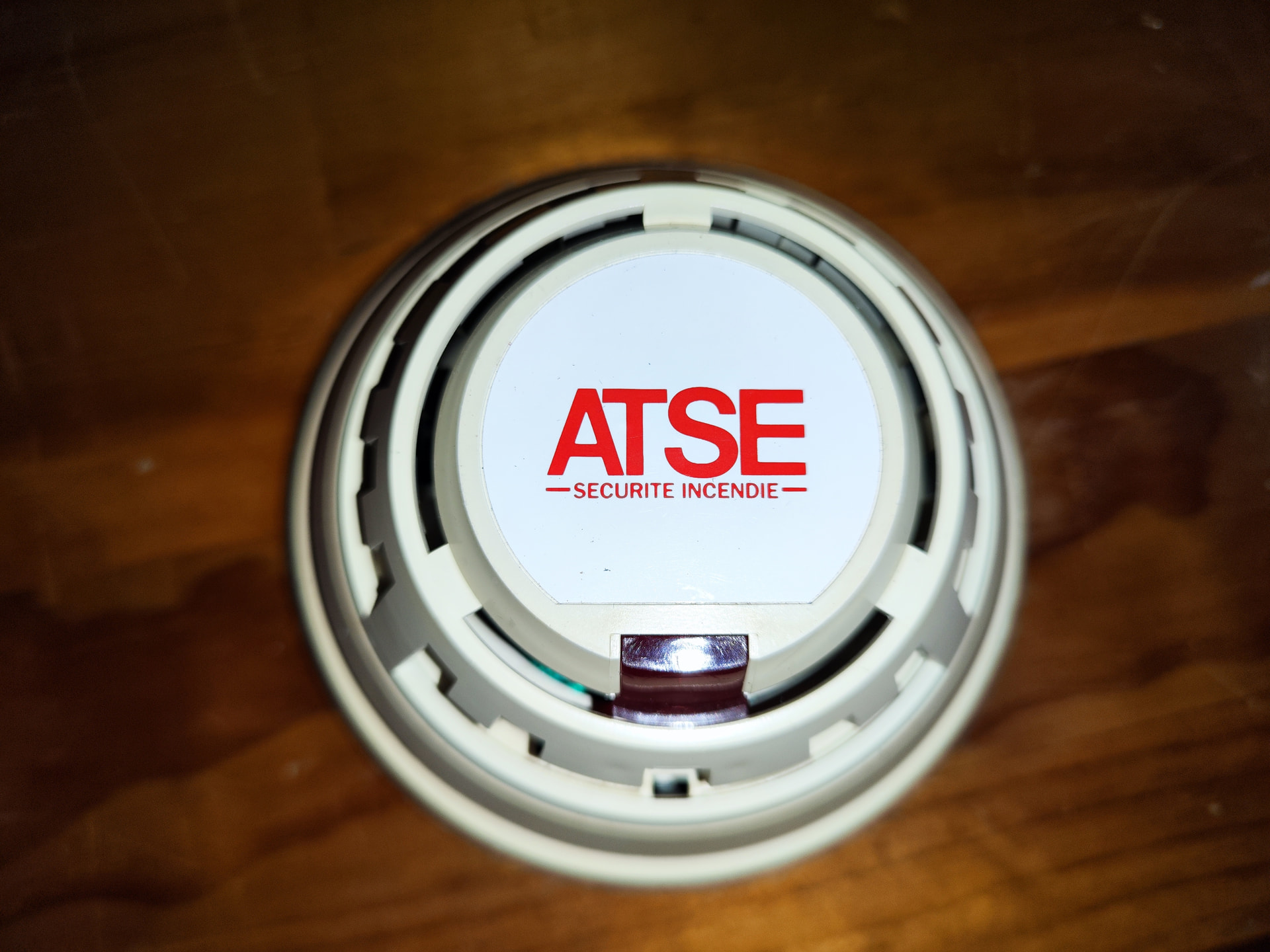
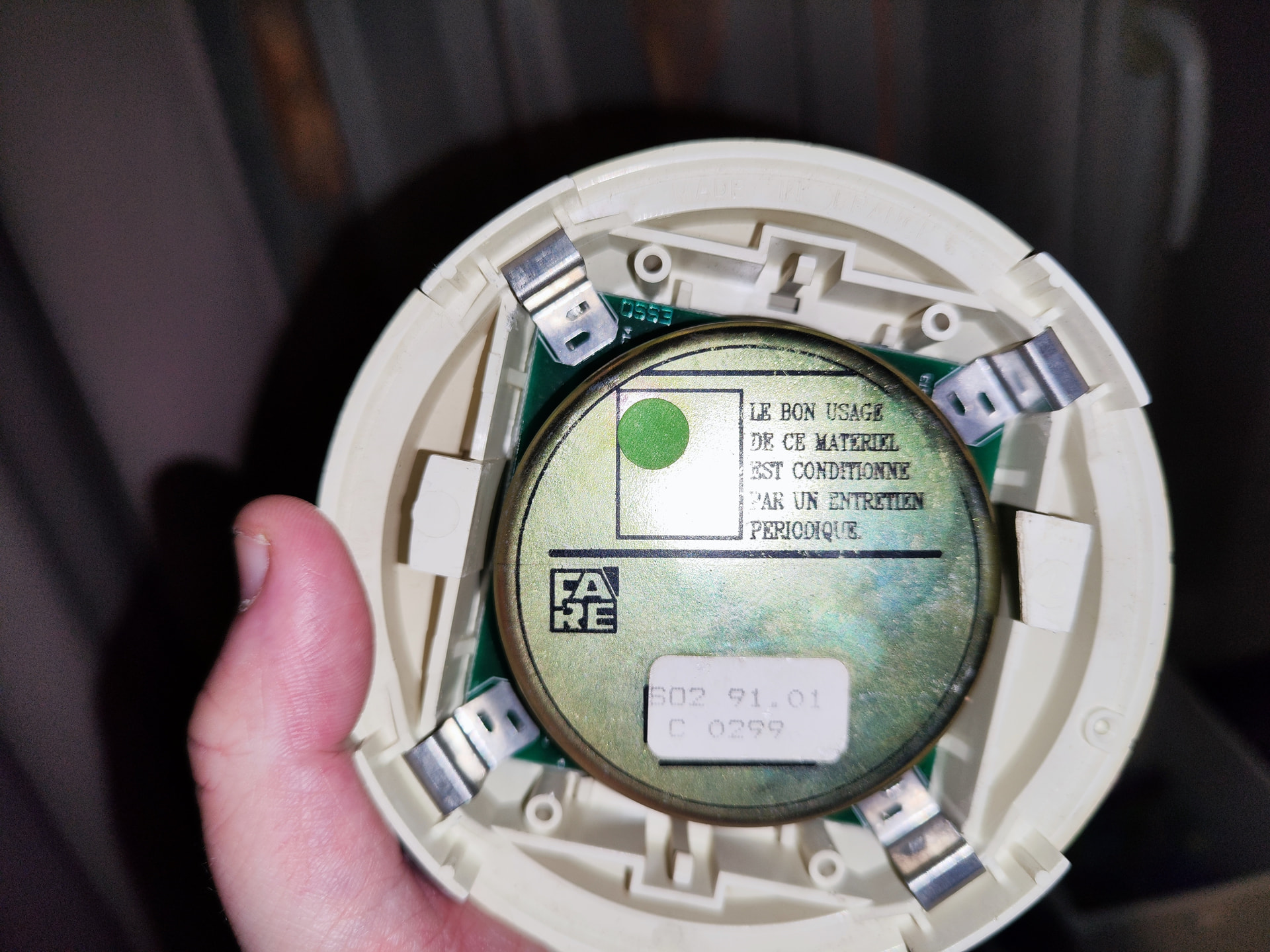
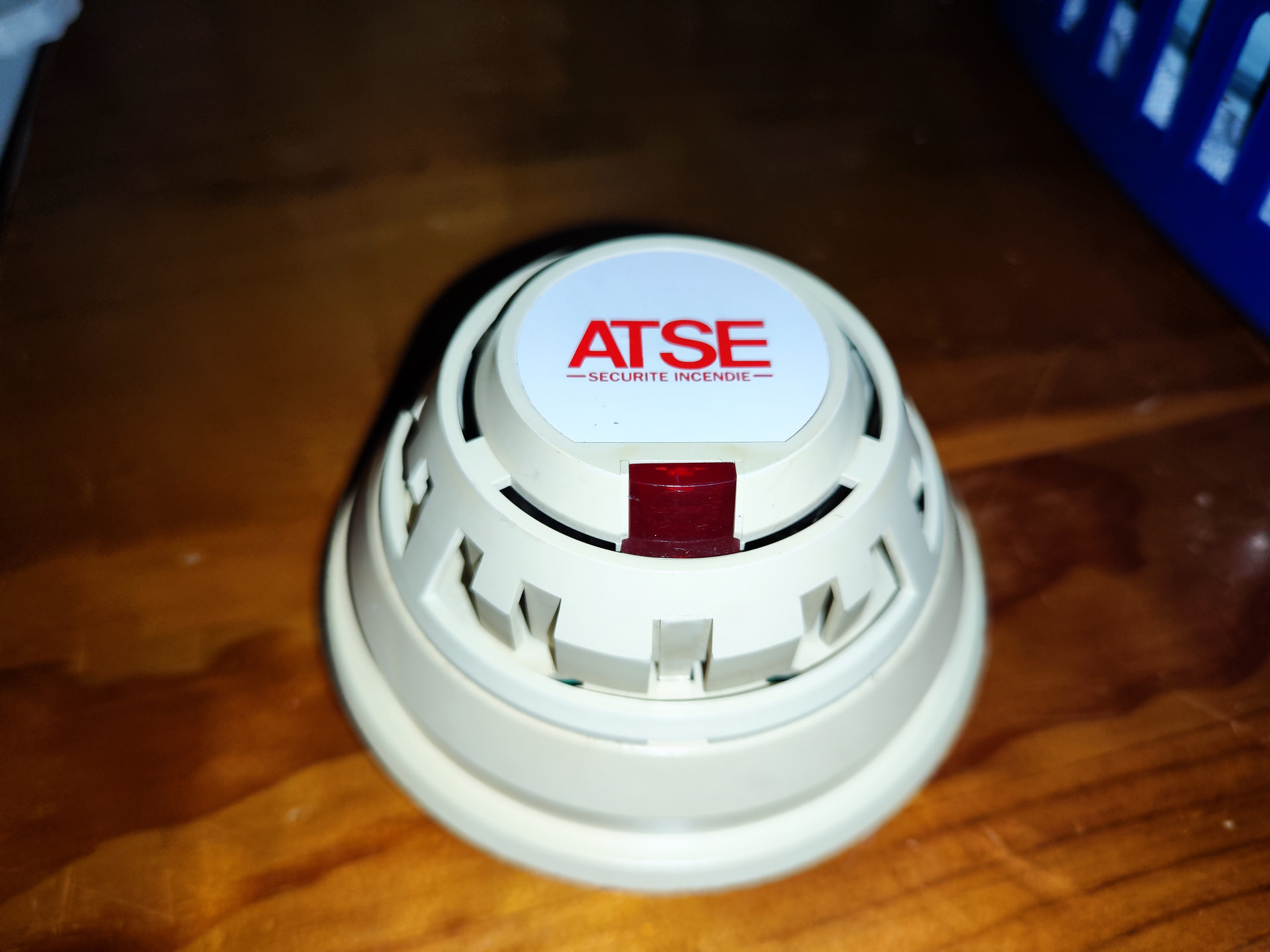
This unit appears to be from 1991, just like the SO12 it was built by Fare (which is DEF’s initiating device manufacturing division, prior to 1997) with ATSE just slapping a label on the cover. This places this detector a good 10 years before Chubb fully shut ATSE down and 7 years after ATSE became a thing following Simplex shuttering their European operations branch. (yes ATSE indeed has roots in Simplex).
1 Like
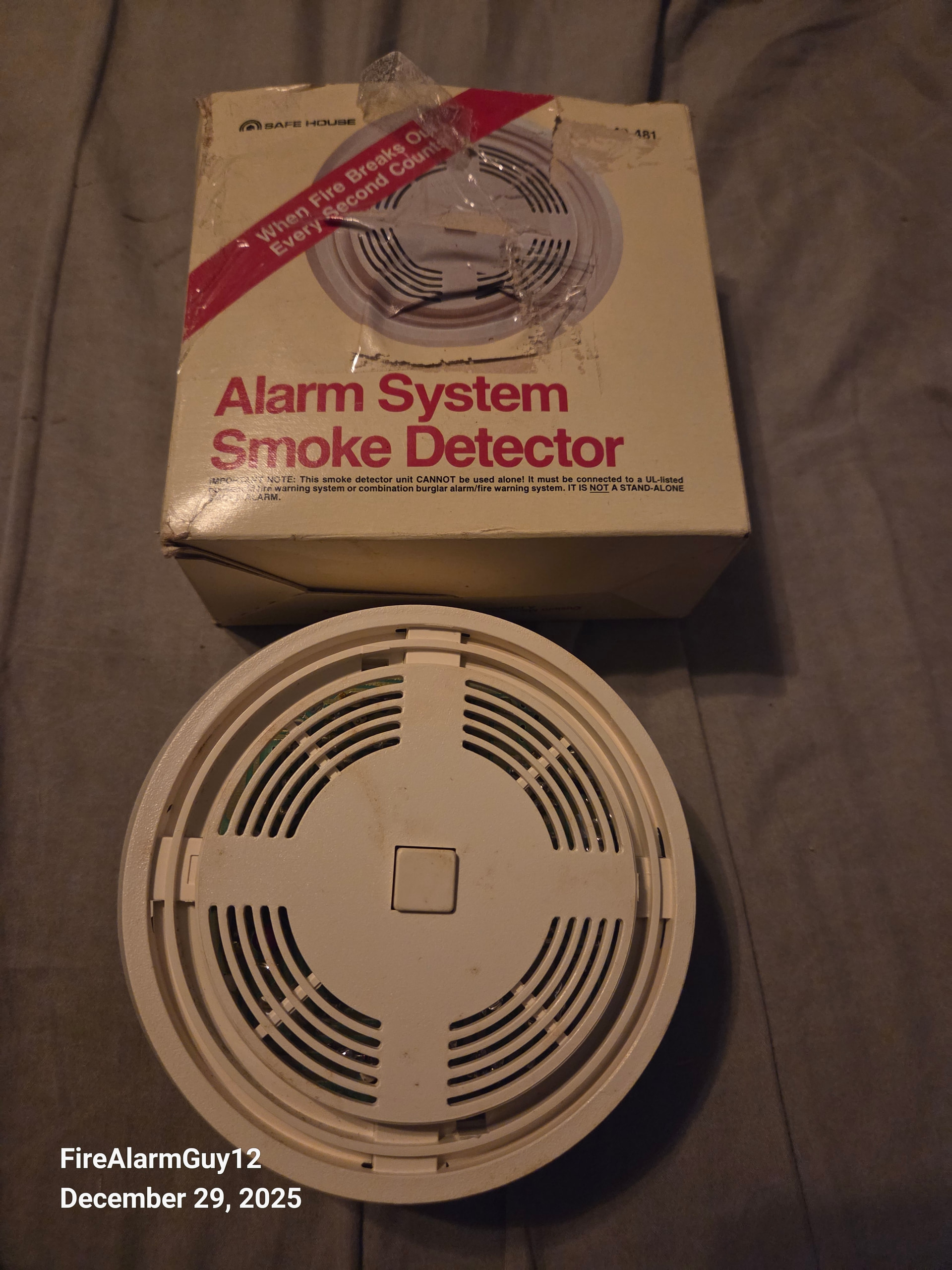
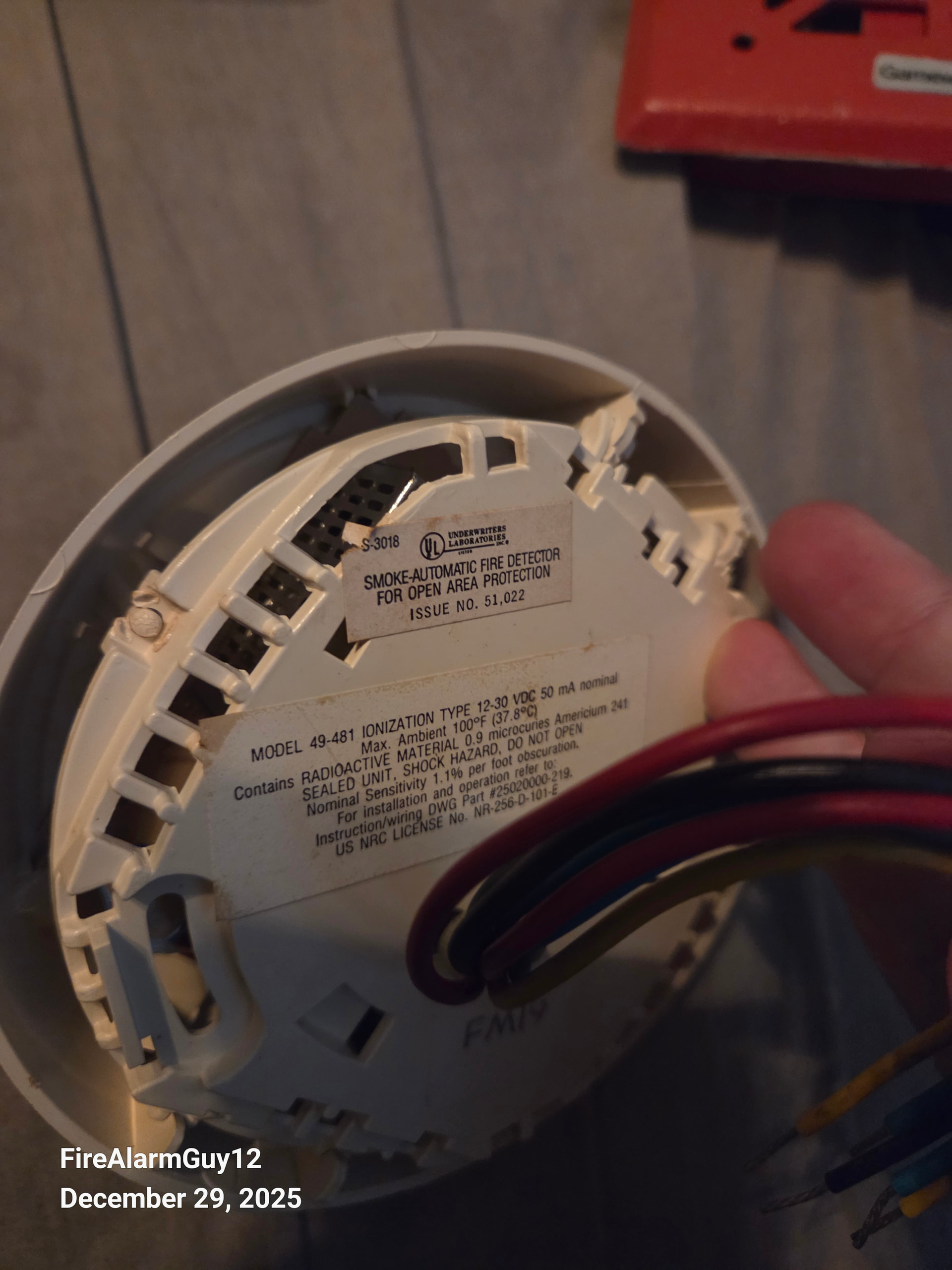
Safe House 49-481. Only after getting it did I learn it actually runs on 12/24VDC, making it a kinda Residential/Commercial detector hybrid
1 Like
Neat! That technically makes it a Radio Shack detector, since “Safe House” was one of their brands. It might also be a rebranded Dicon ASD100 from what I’ve seen.
1 Like
Some rare stuff I got this year, a 1978 Fyrnetics 0910 which is a transmitting unit, I also have the receiver for it, I also got a Entronic Vigilante Z700, a Pyrotector 3077ARF5, and a very late 1981 BRK 769Ac, a non interconnect model.
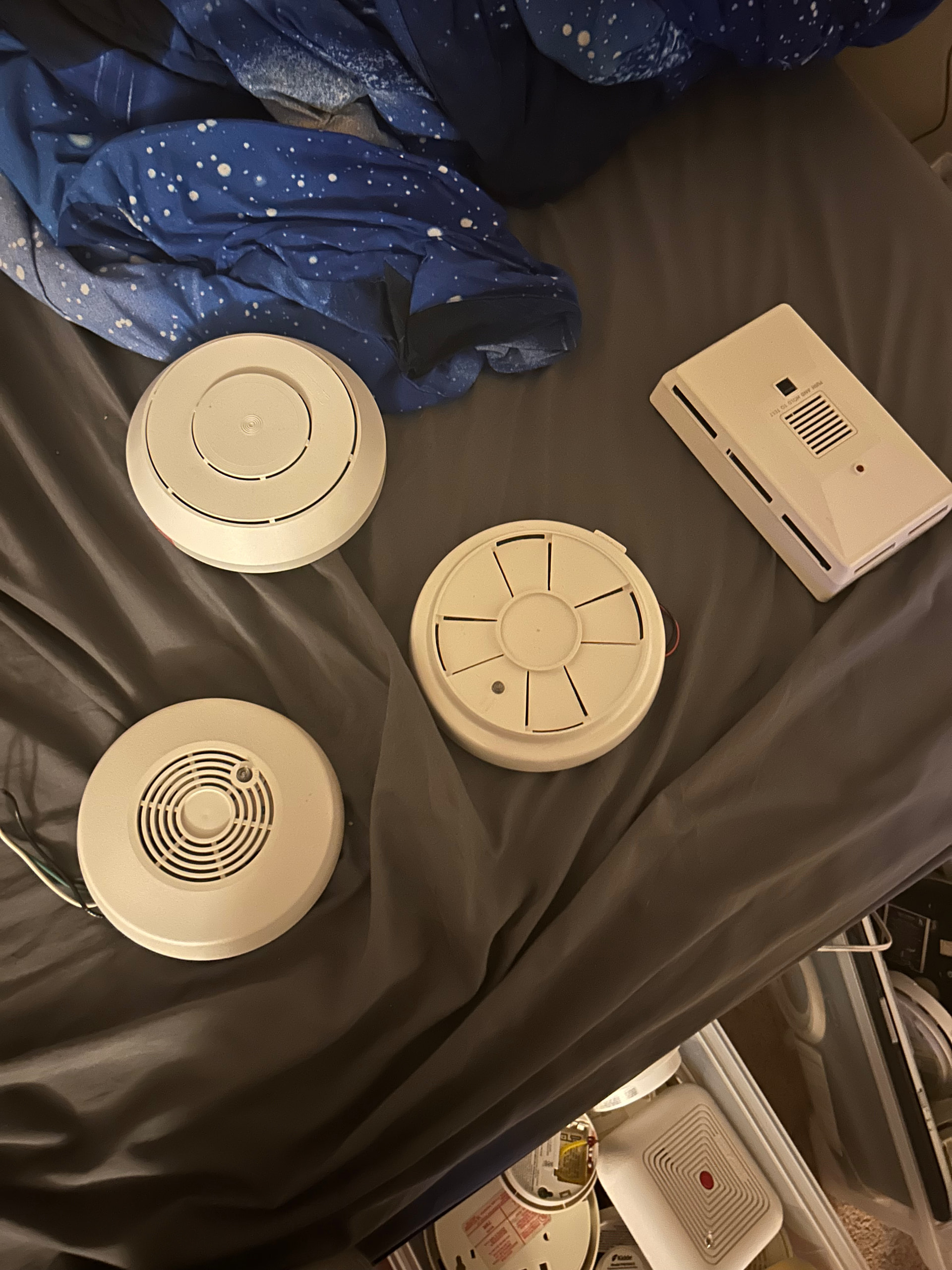
2 Likes
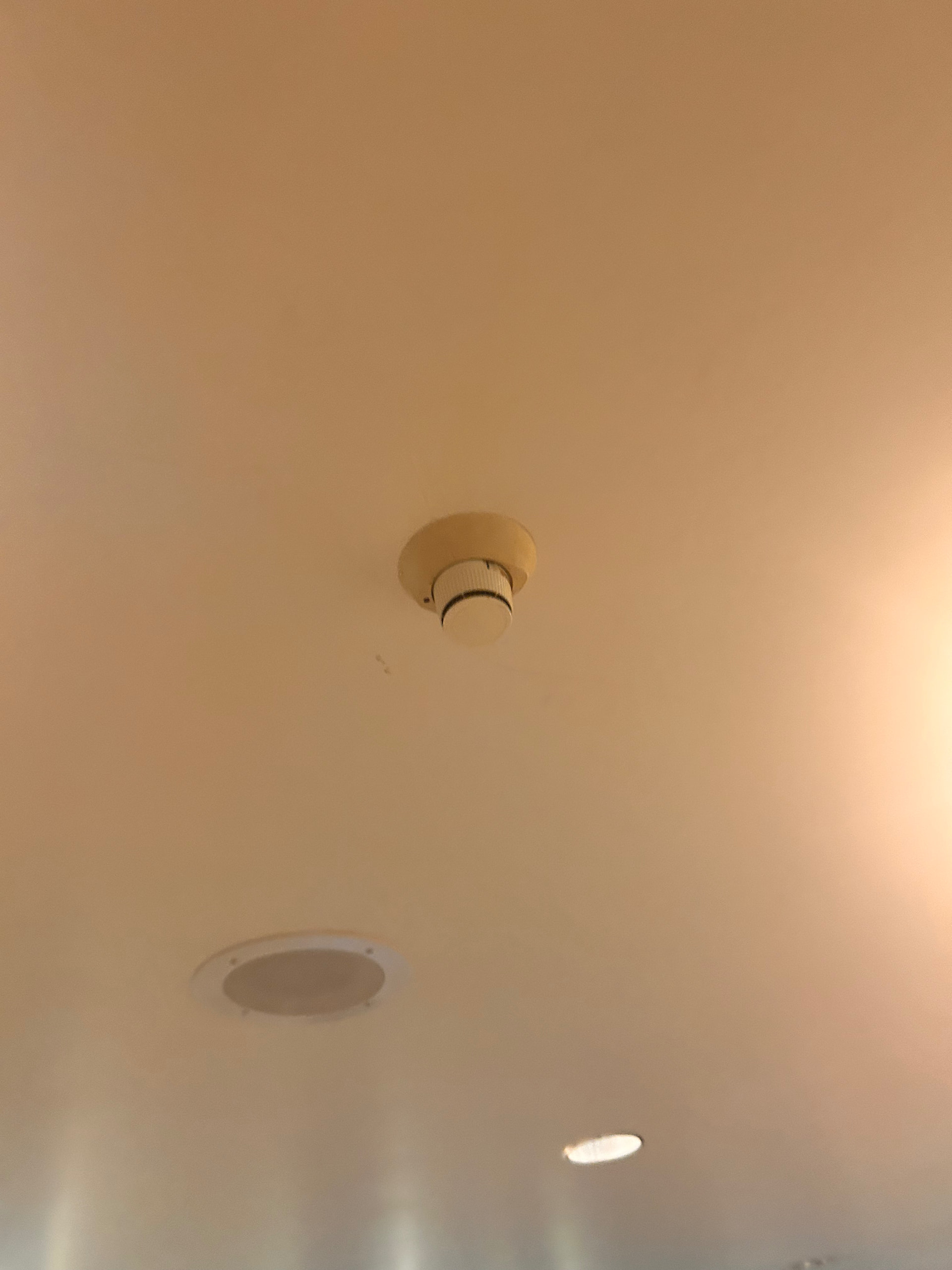
I was at the contemporary resort at Disney a few days ago and saw some pretty interesting smokes in the elevator lobbies, they look really old, possibly ESL’s?
Cool! Nice acquisitions! Do all of them work as they should?
I don’t know about the base (I’ve seen it before, I just don’t know the model), but I’m pretty sure the head is a Gamewell F7, which is ionization.
1 Like
Welcome to the Forums, hope you enjoy ya stay! Also, those acquisitions hit hard.
They all work fine. The Z700 I obviously had to Jerry rig it for it to get power , by using 2 partially dead 9V batteries, because yk the 12.6V battery had mercury
Ah okay, nice! To be honest though I’m surprised owners of 12.6V battery-powered smoke detectors haven’t tried using a 12VDC power supply with them: would likely easily solve the problem of 12.6V batteries becoming ever-increasingly difficult to find (also on other “non-standard voltage” detectors too, though for those you’d likely need a variable power supply instead).
That’s a Pyrotronics DI-4A (Edit: DI-6 actually didn’t look at it close enough) ionization smoke detector. My Elementary school has them and pre school have or has them, they were abandoned in place but the preschool (which is also a community center) is getting its second system replacement.
I found a few Dicon-branded units in a dumpster earlier this year (I made a post about them). I had the same reaction as you: I had assumed that they were 120VAC smoke alarms when I grabbed them, and I only realized that they were low-voltage models when I arrived home. These ones came from a former convent that was being converted into a private day school; I assume that they were removed from the convent’s sleeping areas, and I wonder how they were configured to operate (I’m particularly interested in finding out how they were powered).
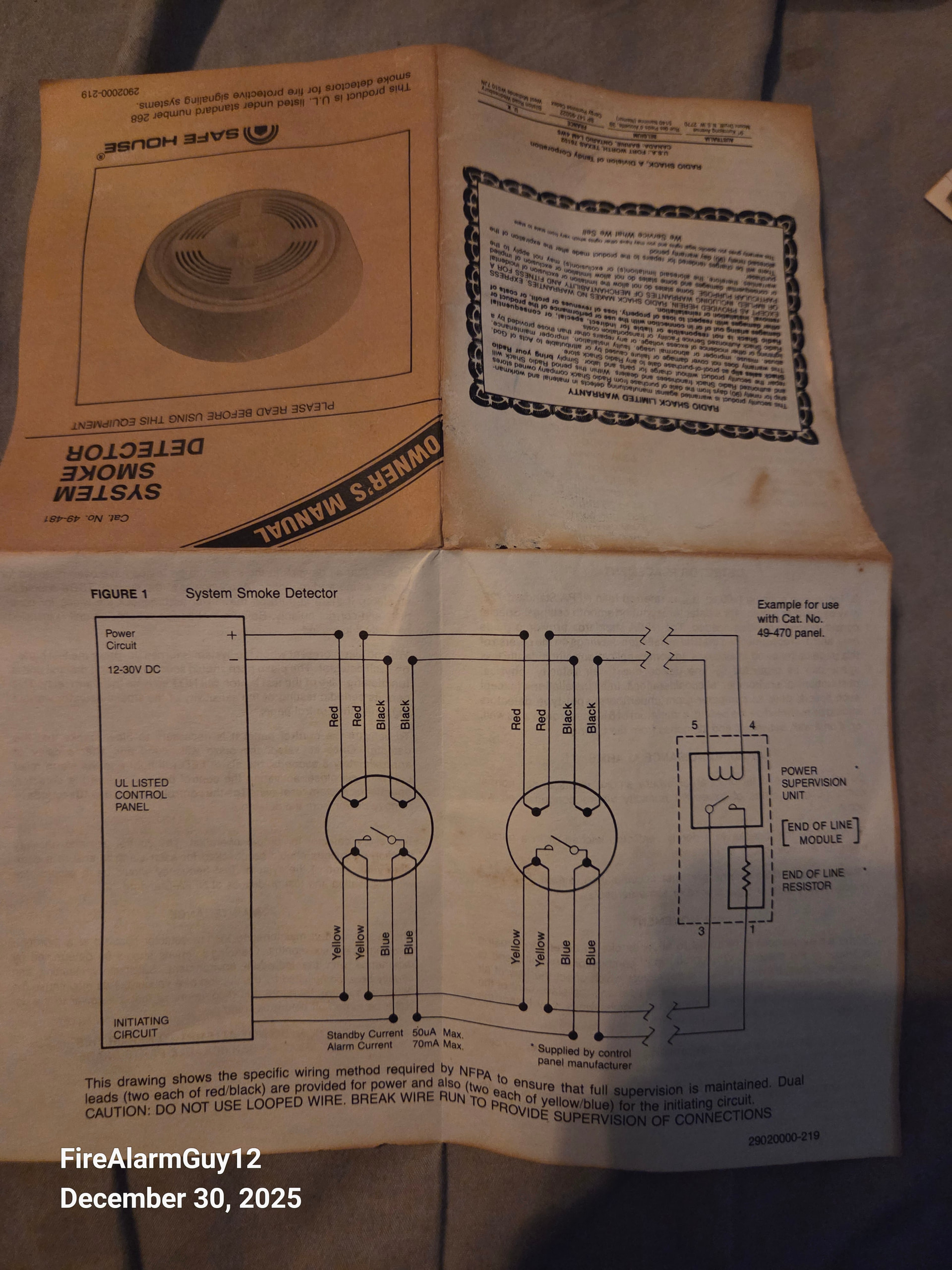
I can’t tell if yours also has that feature, but the ones I have are equipped with a relay.
I believe mine does have an alarm relay considering this part of the manual. Might just be a generic 4-wire detector though idk
2 Likes
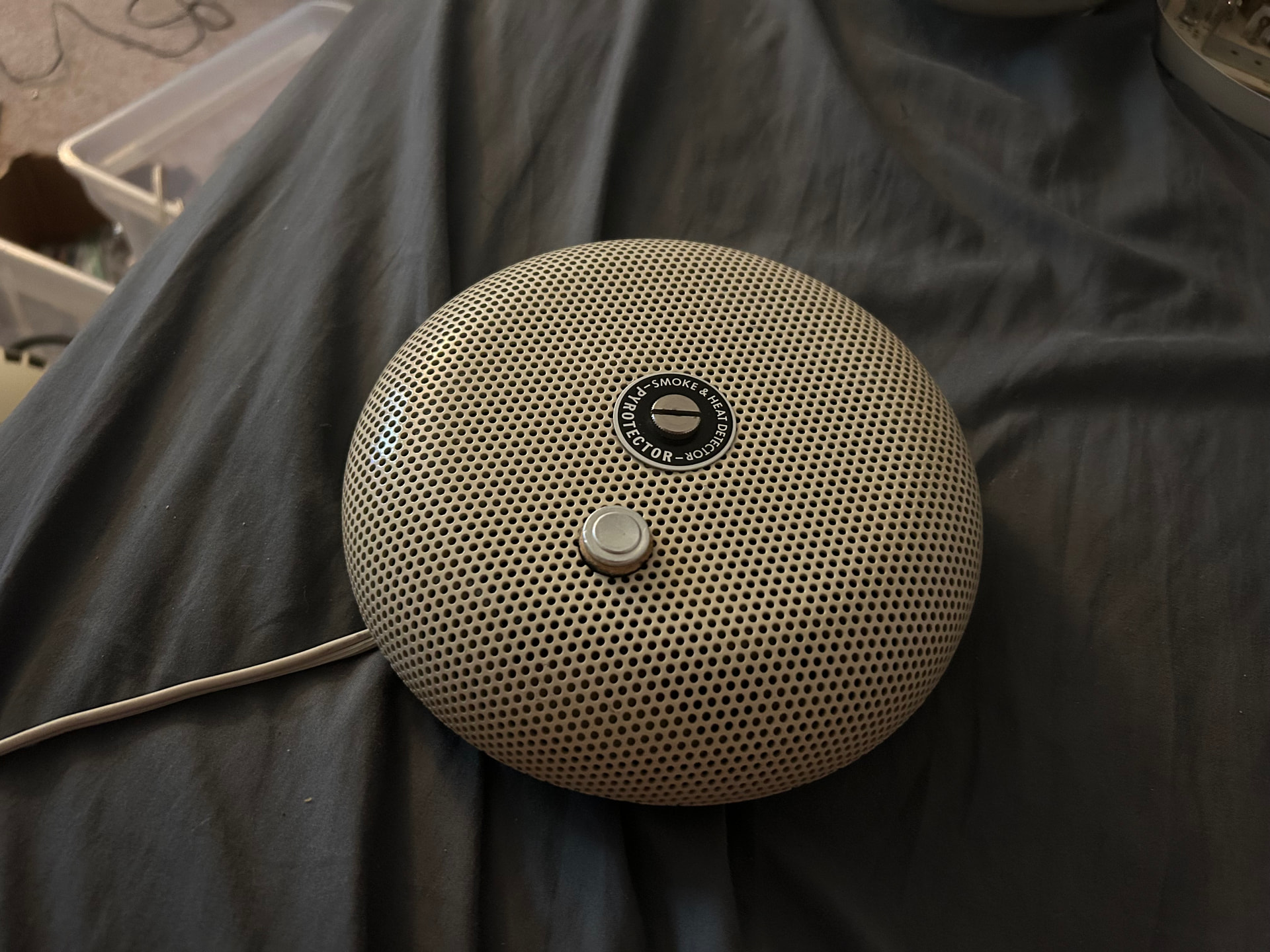
This one is also pretty cool, a 1972 Pyrotector smoke and heat alarm, it’s currently the oldest alarm I have since 2023.
3 Likes
Chupa, Electro, you both did fine to say the least when it came to preserving those rare-as-heck 24VDC Dicon detectors! Nice job!
That’s in remarkably good condition for a detector from the early 70s! Have you tested both of the sensors on it to see if it works fully?
1 Like
The smoke sensor isn’t very sensitive, it’s from the early 70s so what do you expect. But the heat sensor works fine, the original bulb for the sensor was burned out when I got it, but the spare bulb it came with works
Oh, really? I might have expected it to be more sensitive than modern detectors though given that type of detection method was brand-new at the time & of course things were made much less cheaply back then, heh.
Nice!
1 Like
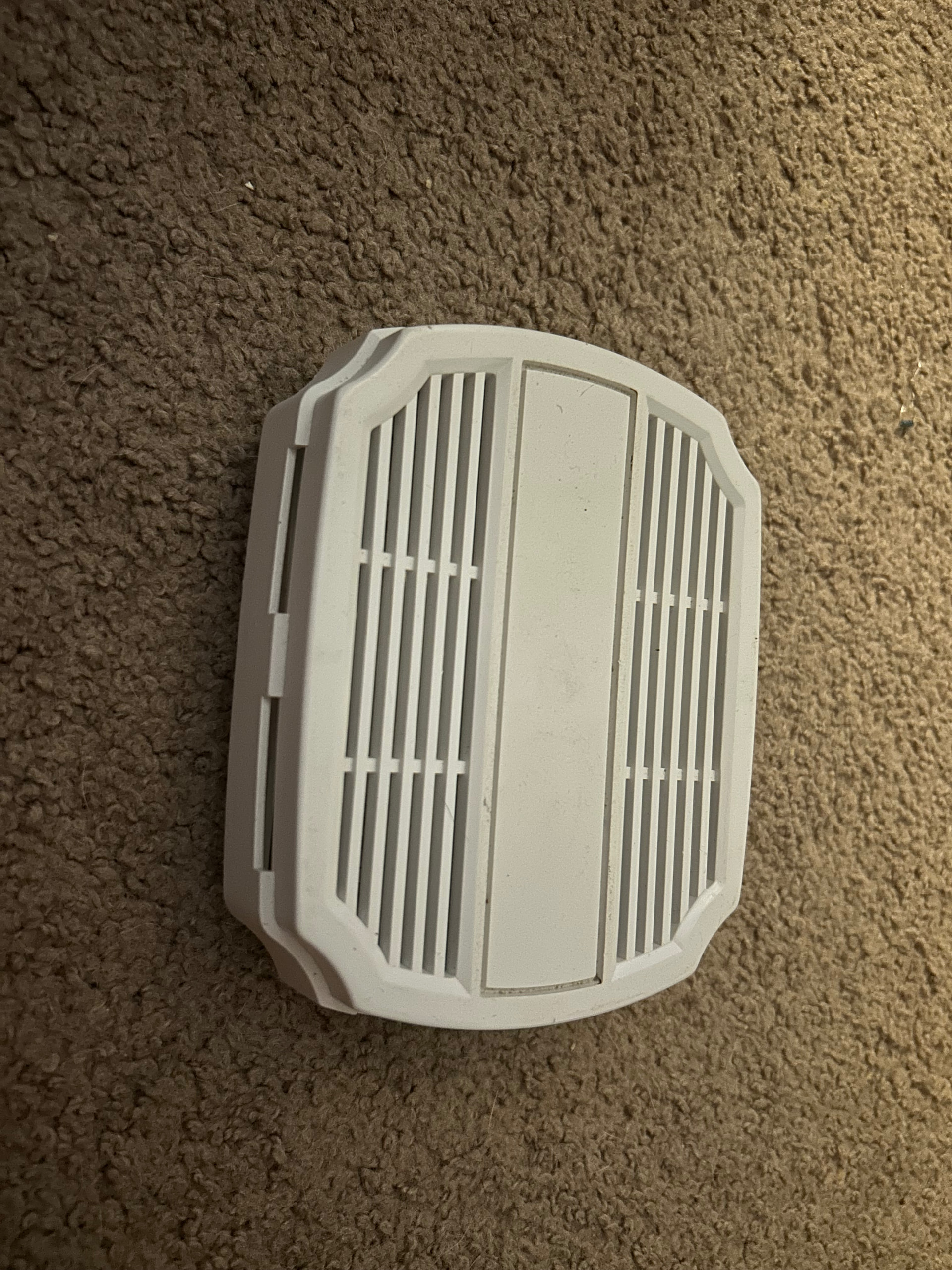
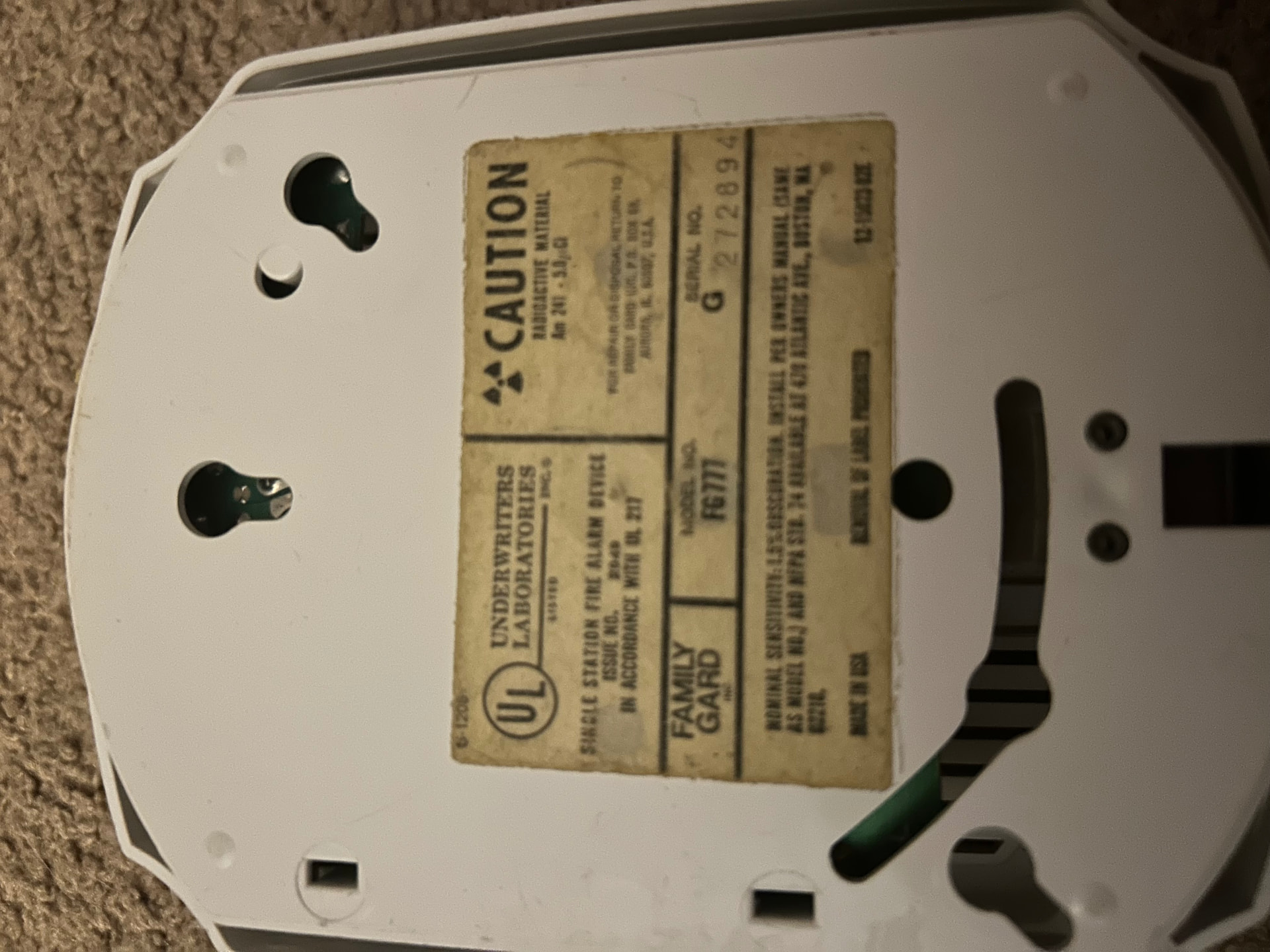
Here’s one I got a while back in March 2023, a Family Gard FG777 from 1977, what I noticed about this one in particular is that the way the label is oriented is different than the others people have. And as you can tell, the label has been through a lot of yellowing. No test socket on this one
1 Like